BY SIFISO NHLABATSI
MBABANE- Eswatini is positioning itself to withstand future climate shocks, droughts, border closures and global supply chain disruptions through the establishment of a National Grain Reserve Facility that will safeguard the country’s food security while driving agricultural and economic growth.
The ambitious project, which has been approved by Government and is expected to commence soon, is designed to ensure that strategic food reserves remain available during national emergencies, poor harvests, pandemics and other crises that threaten the country’s food supply.
The grain reserve is expected to transform Eswatini’s agricultural sector, reduce post-harvest losses, stabilise staple food prices, create jobs and strengthen the country’s long-term food sovereignty.
According to the Environmental Impact Assessment (EIA) for the proposed facility, the grain reserve will significantly improve national food security by establishing modern storage infrastructure capable of preserving staple grains such as maize and beans for use during periods of drought, climate-induced disasters, supply chain disruptions and other emergencies.
The report states that the facility will ensure the availability and accessibility of food when production declines or imports become difficult, while reducing losses that farmers currently suffer due to inadequate storage facilities.
The project comes as climate change continues to increase the frequency and severity of droughts across Southern Africa, threatening agricultural production and placing pressure on food systems.
Prime Minister Russell Mmiso Dlamini recently underscored the importance of the project, saying Government had already approved the establishment of a national grain reserve to ensure that Eswatini never finds itself vulnerable during emergencies.
“Government has approved that we establish a national grain reserve where we could store grain, legumes and all that so that we could be sufficient, so that even if the borders were to be closed we could have enough to last us,” said Dlamini.
The Prime Minister added that construction would commence soon, while Government simultaneously implements strategies aimed at increasing agricultural production across the country.
“We now have to implement the strategy to produce more. I am happy to see on the news that more emaSwati farmers are producing more yield. And that is what will help attain food security.”
The Prime Minister further noted that Eswatini had already achieved self-sufficiency in broiler production and pork, saying this demonstrated that the country was capable of achieving food self-sufficiency in other strategic commodities as well.
“We have reached a level of self-sufficiency in broilers and pork meat, so the signs are there that we could reach self-sufficiency,” he said.
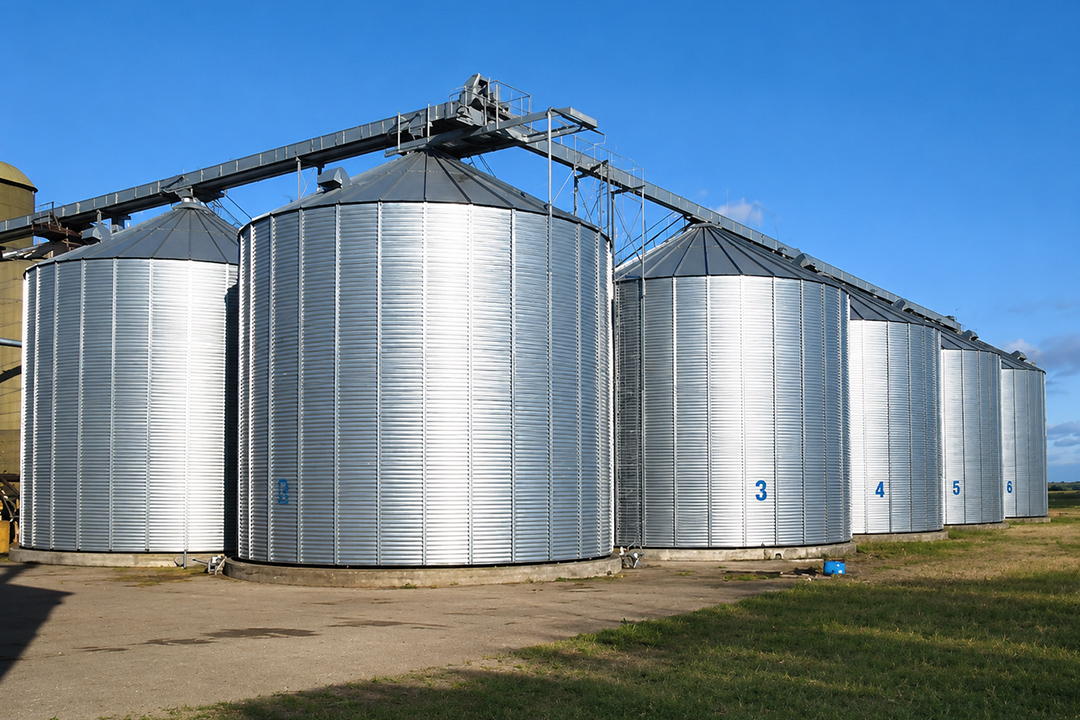
The proposed grain reserve will be developed in phases, eventually providing storage capacity of approximately 140 000 metric tonnes through the construction of multiple steel silos equipped with modern grain handling, drying, monitoring and preservation systems.
The facility will utilise advanced technologies including conveyor and elevator systems, moisture monitoring equipment, temperature-controlled storage, aeration systems and pest management technologies designed to maintain grain quality for extended periods.
Grain arriving from across the country will undergo weighing, quality sampling and cleaning before being transferred into temporary storage where moisture levels will be managed. Once grain reaches the required quality standards, it will be transferred into long-term storage silos equipped with continuous monitoring systems that regulate temperature, ventilation and moisture to minimise spoilage.
The facility will operate on a “first in, first out” principle, ensuring older grain is released before newer stock to maintain freshness and quality.
Importantly, grain reserves will only be released when the country experiences supply chain disruptions, natural disasters or abnormal food price increases, allowing the reserve to act as a strategic national buffer rather than a commercial competitor.
The EIA notes that the project will also strengthen Eswatini’s food sovereignty by reducing dependence on imported food during difficult periods and improving the country’s capacity to manage strategic food reserves using locally produced grain.
For local farmers, the project represents a major opportunity.
The report indicates that farmers will benefit from improved storage facilities that significantly reduce post-harvest losses caused by pests, spoilage and poor storage conditions. Better storage is also expected to encourage increased maize and bean production by providing producers with confidence that their harvests can be safely preserved.
The project is further expected to stimulate the broader agricultural value chain by supporting grain production, agricultural input suppliers, transport companies, milling industries, logistics operators and equipment maintenance businesses.
The grain reserve is expected to inject new economic activity into the Dvokolwako area and surrounding communities through infrastructure development.
Construction of access roads, internal road networks, electricity connections and other supporting infrastructure is expected to improve connectivity while opening new opportunities for businesses operating in the area.
The project is also projected to create employment during the pre-construction, construction and operational phases.
Jobs are expected to range from general labour and construction work to grain handling, laboratory operations, administration, maintenance and security services.
The EIA further states that local community members will be prioritised for employment opportunities wherever practical, while local businesses are expected to benefit from supplying construction materials, fuel, transport services, machinery, maintenance, food and other goods required throughout the life of the project.
Government is also expected to benefit through increased tax revenue, permits and other statutory payments generated during implementation and operation of the facility
Another major anticipated benefit is the stabilisation of staple food prices.
Through strategic grain storage and carefully managed releases during shortages, the reserve is expected to cushion consumers against extreme price spikes that often accompany droughts, poor harvests and disruptions in regional supply chains.
The project will also provide opportunities for skills development by exposing local workers to specialised knowledge in grain storage management, laboratory operations, machinery operation, maintenance and modern agricultural logistics.
#FoodSecurity#NationalGrainReserve#ClimateResilience#Agriculture#Eswatini#FoodSovereignty #ClimateAction #RuralDevelopment #StrategicReserves #EswatiniPositiveNews#EconomicGrowth
(Courtesy Pic)
Post Views: 56