A free preview in Town Hall Square opens the Tallinn Fringe festival’s anniversary celebrations, ahead of a month-long programme of comedy, circus, dance and cabaret across the Estonian capital.
Ten years ago, eight performers staged the Tallinn Fringe’s first edition with no funding and no institutional backing. This month, the festival marks its 10th anniversary with a free public preview in Town Hall Square.
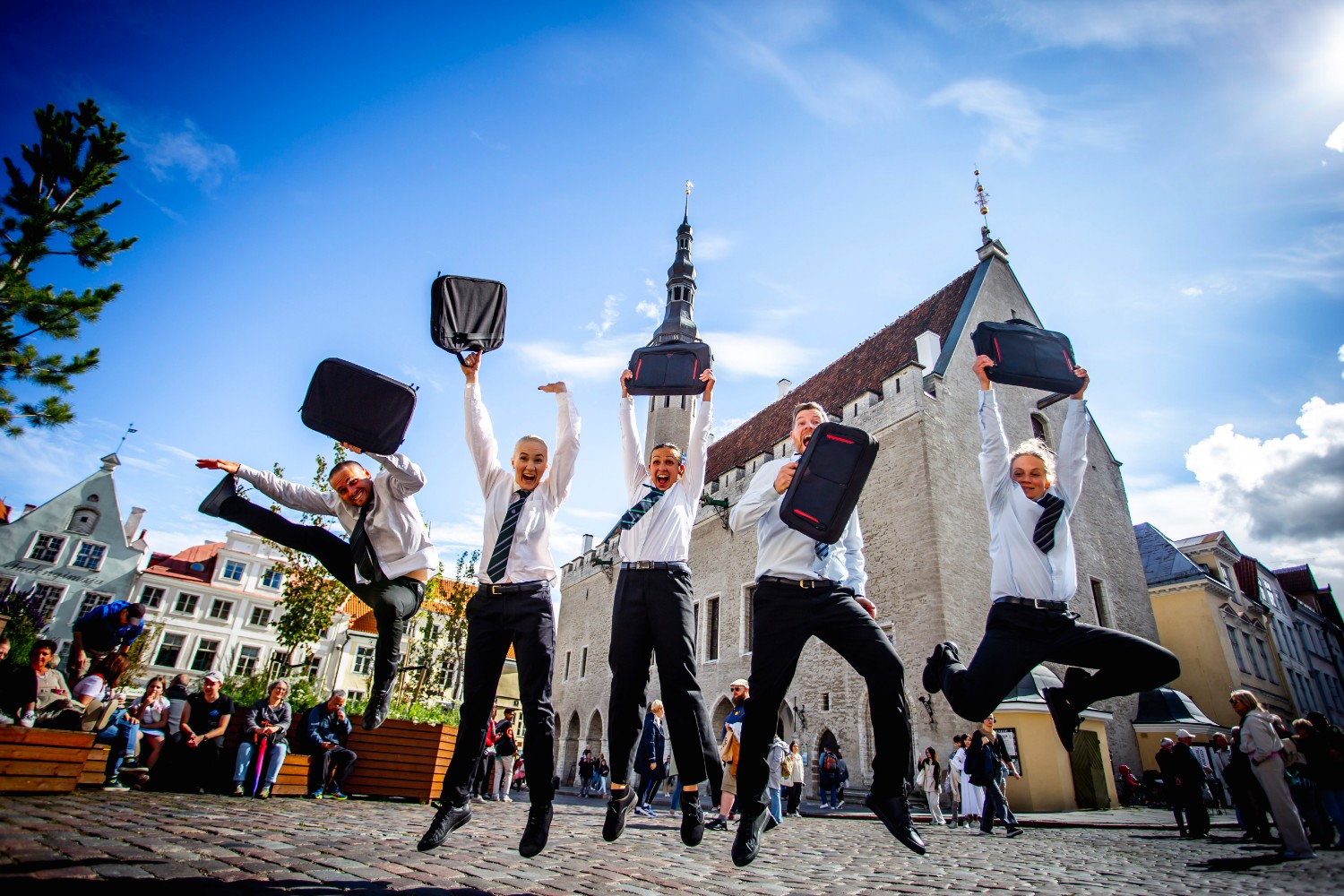
From 3pm on 12 August, the square will host a one-hour curtain-raiser: short performances by festival artists, a chance to meet them afterwards, an early look at this year’s full programme, and light refreshments. It’s a modest taster for the main event, which runs from 18 August to 18 September and will bring 77 shows and more than 160 performances to venues across Tallinn over 31 days, spanning theatre, comedy, circus, dance, music, cabaret, burlesque and spoken word.
A gap borrowed from Edinburgh
That growth marks a considerable journey from the festival’s origins. The Tallinn Fringe traces its roots to December 2016, when a loose band of circus, theatre, dance, music and fire performers gathered at Telliskivi Creative City for an event called Boom Chika Wau Wau, staged deliberately alongside the established theatre festival Winter Nights. There was no public money behind it and no organisation to speak of – just eight performers and eight shows, driven, according to the festival, by enthusiasm alone.
The instigator was performance artist Dan Renwick, who performs as Dan le Man. Having spent time at the Edinburgh Fringe in the early 2000s, he returned home convinced Estonia was missing something comparable: an accessible platform where emerging and non-traditional performers could develop their craft in public, test new material and build a career outside the country’s mainstream repertory theatre system.
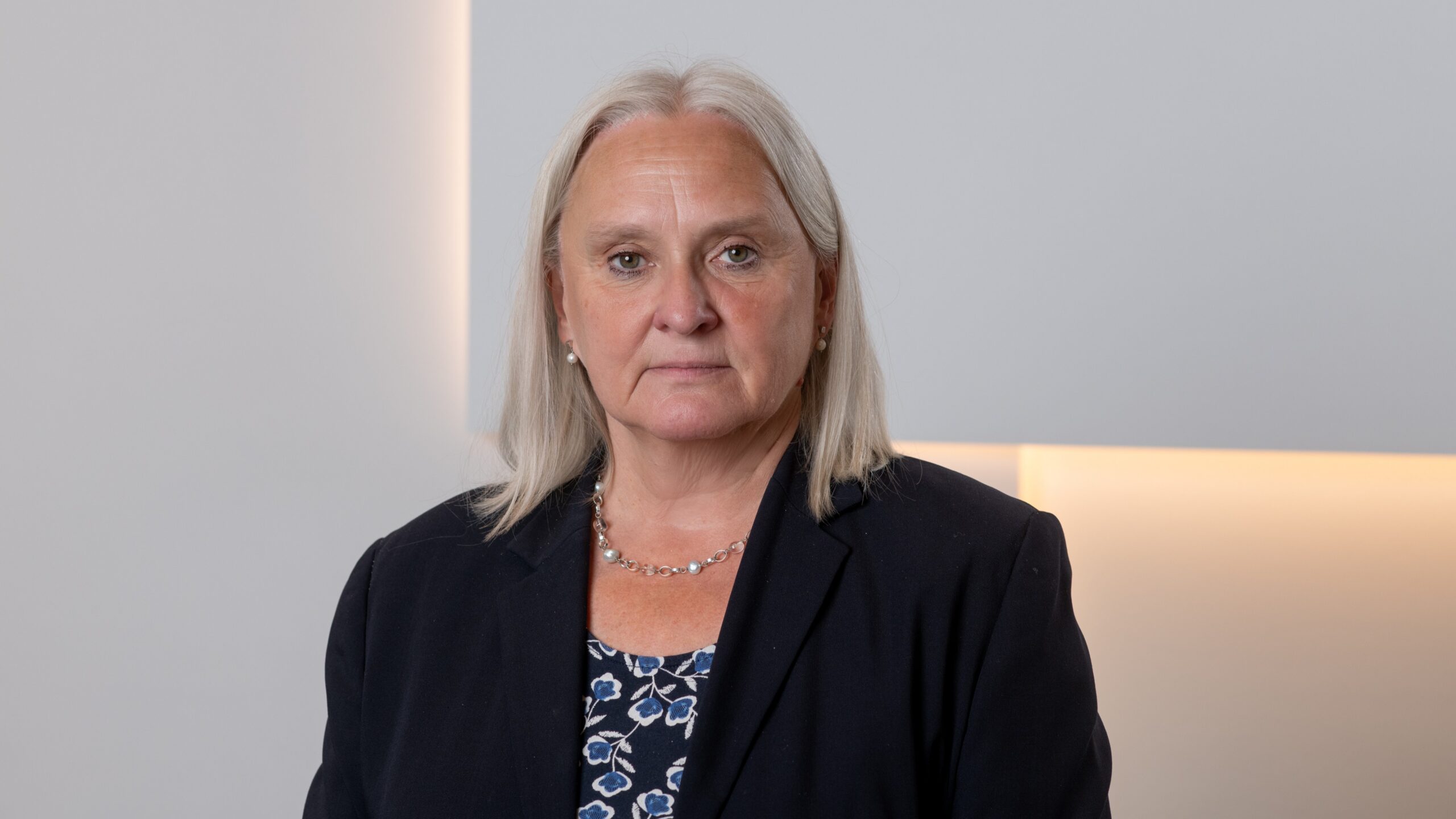
Dan Renwick. Private collection.
His initiative grew year on year as more artists and venues joined, and the Tallinn Fringe is now a member of the World Fringe network, while organisers say it has kept its founding, open-access spirit intact.
No selection committee, just venues
That “open-access” label is often mistaken for an absence of curation altogether, the festival says – in practice, selection simply happens at venue level rather than through a central committee. Artists pitch their shows directly to venues; each venue shapes its own lineup to suit its space and audience; and venues then pass their confirmed shows to the festival team, who compile them into the citywide programme.
Organisers say the decentralised structure has helped the festival reach close to gender parity among performers in recent years and given space to under-represented voices – while ticket revenue, unusually, flows directly to the artists rather than through a central body. The pitch to performers, as the festival frames it, is simple: no academic credentials or official approval needed, just a venue willing to give you a stage.
A performer takes the stage during The Otherside, a burlesque show staged at Tallinn Fringe Festival. Photo by Anton Serdjukov.
The full programme and tickets for the Tallinn Fringe 2026 will be published at fringe.ee ahead of the festival’s opening on 18 August. The anniversary preview in Town Hall Square, on 12 August at 3pm, is free and open to all.