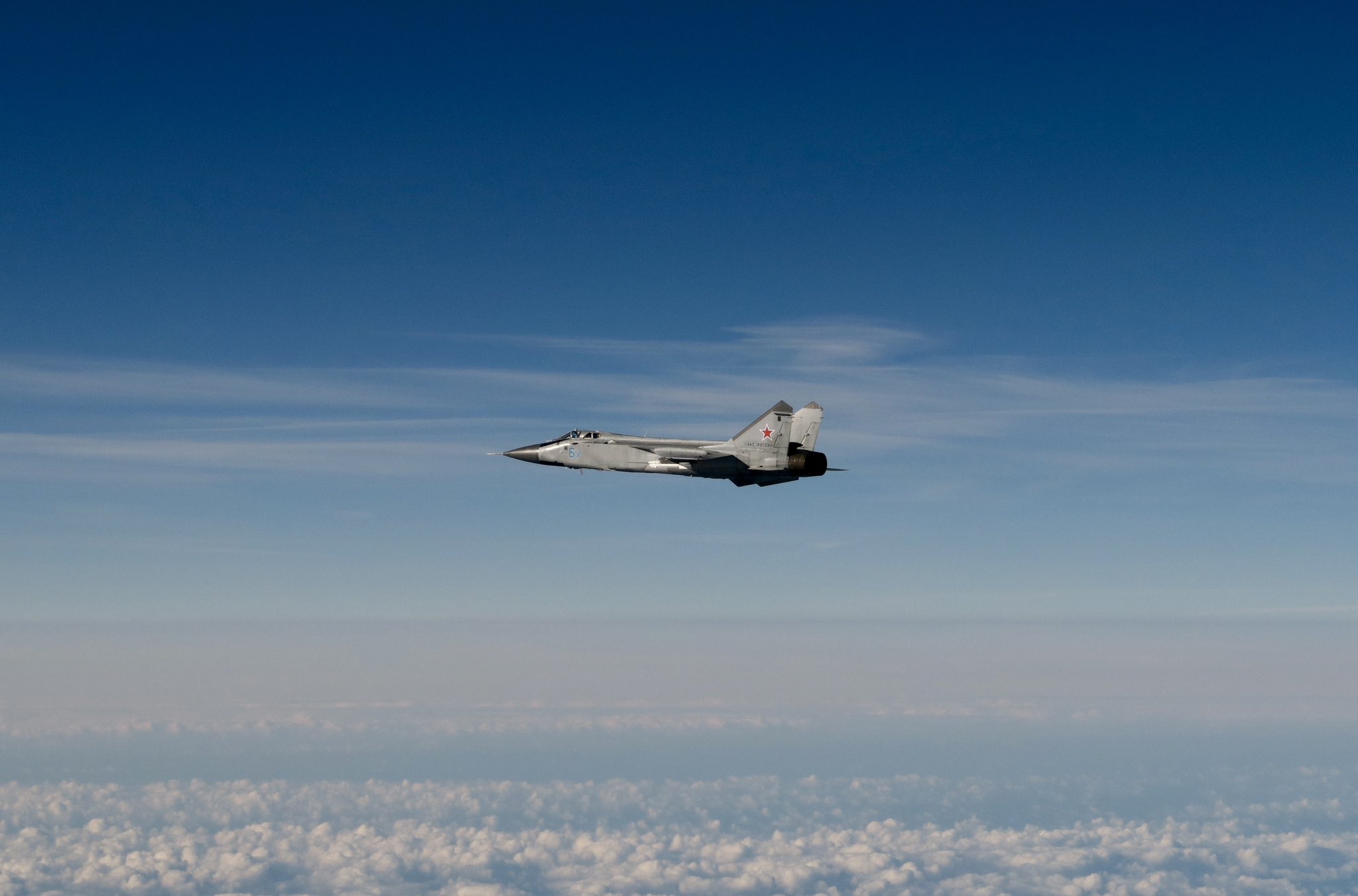
Estonia remains unable to bring down Russian aircraft flying at higher altitudes, security analyst and former defence undersecretary Meelis Oidsalu has warned after three MiG-31s crossed Estonian airspace on 19 September.
When three Russian MiG-31s cut across Estonia’s airspace on 19 September, they did so at 7.5 kilometres – well above the reach of Estonia’s current air-defence systems.
“That’s the usual altitude for such incursions,” wrote Meelis Oidsalu, Estonia’s former defence undersecretary, in a public post. “Even if we placed systems on Keri Island, they still wouldn’t reach.”
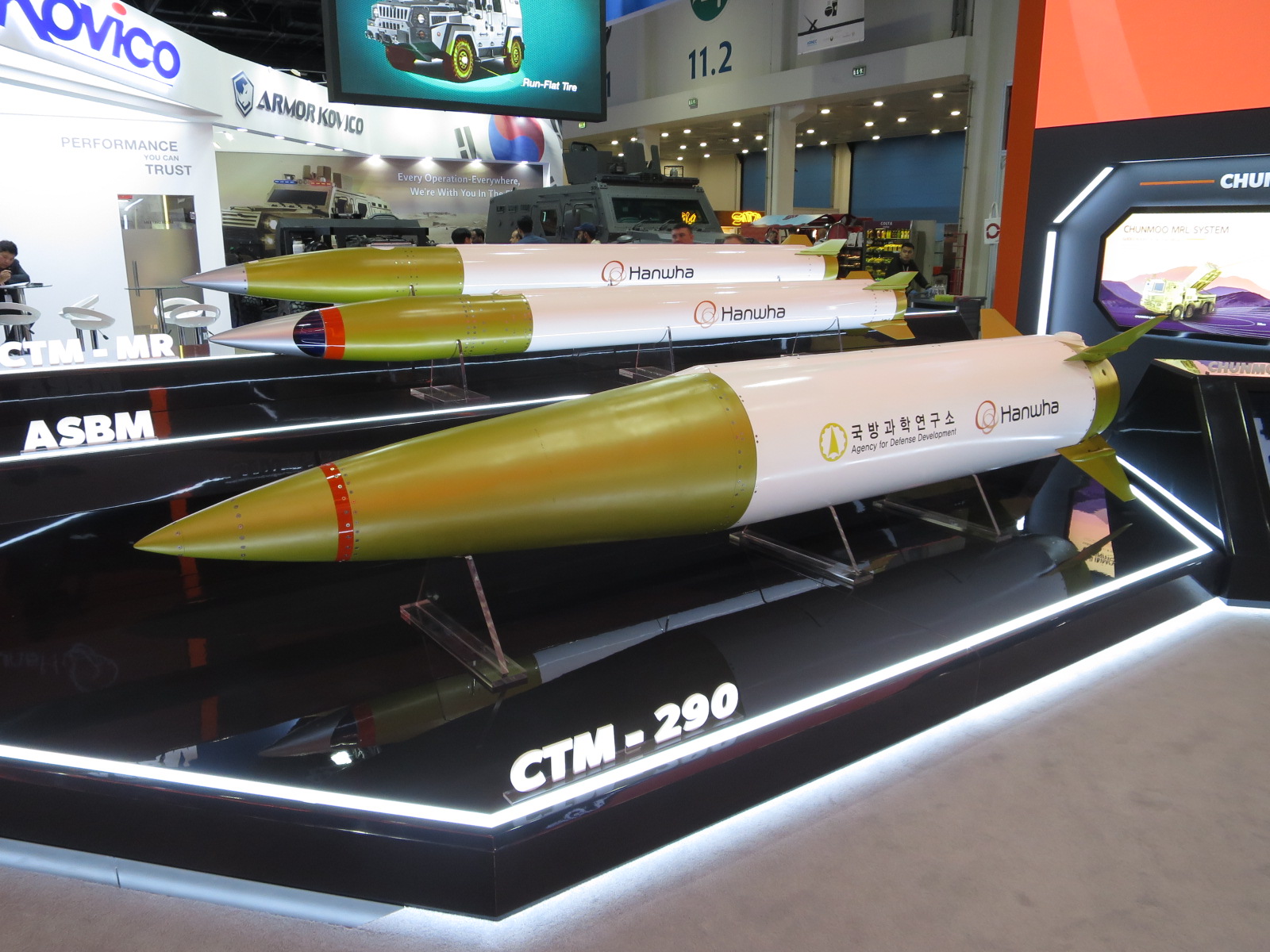
The gap is obvious. Estonia can swat away drones or low-flying aircraft, Oidsalu argues, if readiness is properly organised. A Soviet-era 23-millimetre gun – still capable of firing 400 rounds a minute – is well suited for unmanned targets. But stopping fighters at altitude will require the IRIS-T, a medium-range surface-to-air missile system built by Germany’s Diehl Defence.
The version Estonia has ordered is the IRIS-T SLM – the “Surface Launched Medium” variant, designed to hit targets up to 40 kilometres away and at altitudes of around 20 kilometres. Deliveries, once expected sooner, are now scheduled for next year, with extra launchers provided as compensation for the delay. “It’s a serious capability,” Oidsalu says. “But the limitation is that none of these systems are on permanent combat duty in peacetime. To make them effective, you need to mobilise reservists – or add a combat component to conscription, as General Martin Herem, a former commander of the Estonian Defence Forces, has suggested.”
Estonia has ordered the IRIS-T SLM – the “Surface Launched Medium” variant, designed to hit targets up to 40 kilometres away and at altitudes of around 20 kilometres. Photo by Diehl Defense.
Until then, Estonia relies on NATO’s air-policing fighters, dispatched under the command centre in Uedem, Germany. They can intercept at any altitude, apart from very low-flying drones that evade radar. The radar network itself, Oidsalu notes, is always watching – though its raw imagery remains classified.
When foreign minister Margus Tsahkna showed a straight flight path at the UN on 22 September, Oidsalu dismissed it as “a schematic strat-comm slide – nobody flies that straight.” The real picture, he hints, is both messier and more sobering: Estonia can see Russian violations. It just cannot yet stop the highest ones on its own.