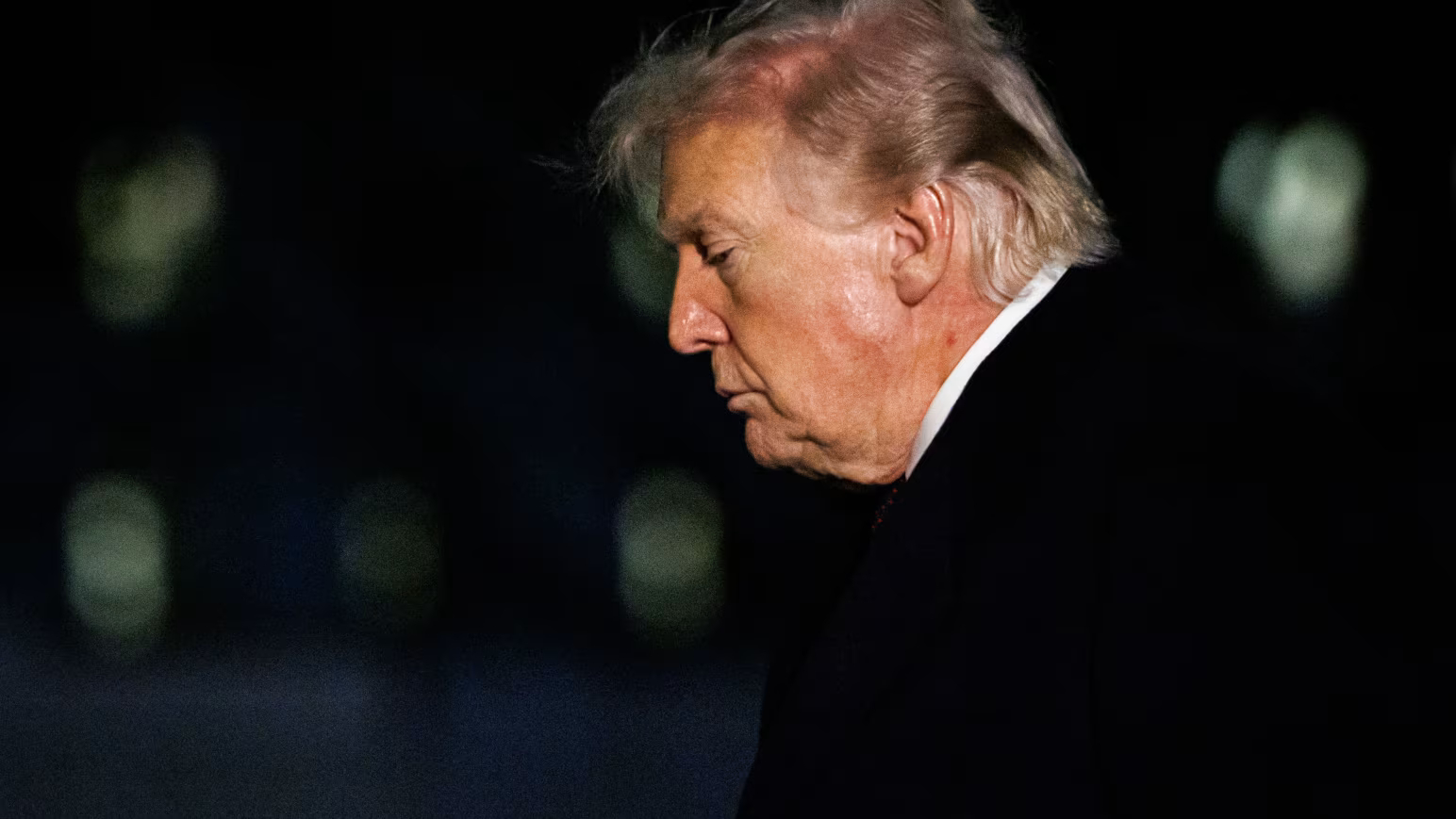
Two weeks before President Donald Trump is scheduled to hash out critical US-China disputes in Beijing, he has set a new condition for the negotiations: help reopening the Strait of Hormuz.
China has little incentive to concede to his demands.
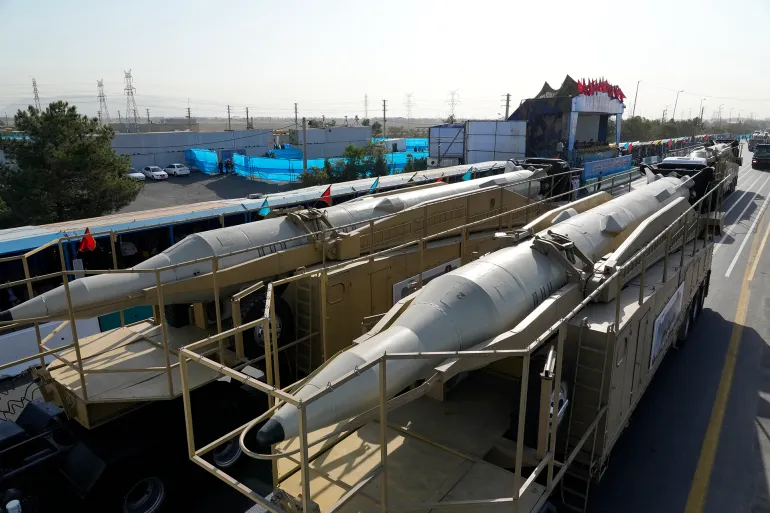
By closing the major shipping channel, Iran has effectively choked off one-fifth of the world’s oil supply, triggering price spikes and fears of energy shortages that could upend the global economy. Now facing the worst oil crisis in history, Trump is calling on other nations, including France, Japan, South Korea and Britain, to work together to secure the strait.
To persuade China, Trump is exerting additional pressure. In an interview with the Financial Times published Sunday, he said he wants to know whether China will provide assistance before his planned summit with Chinese leader Xi Jinping at the end of the month. Without an answer, Trump added, he may decide to delay his trip.
“It’s only appropriate that people who are the beneficiaries of the strait will help to make sure that nothing bad happens there,” Trump told the FT. “I think China should help too.”
On the face of it, that request is extraordinary – Trump is asking China to risk its own military assets in a war the US started against a Beijing-friendly nation, and threatening to withhold diplomacy otherwise.
But China is better positioned than the rest of Asia to endure a prolonged energy crisis. In the past several years, Beijing has sought to cushion itself from such an oil shock by stockpiling crude reserves, diversifying imports and investing billions in clean energy such as wind, solar and electric vehicles.
CNN also reported that Iran is considering allowing some tankers through the strait if the oil is traded in Chinese yuan.
“The Chinese may say, ‘Okay let’s just wait,’” said Bert Hofman, a professor at the East Asian Institute at the National University Singapore. “Given that they are pretty secure strategically, they would have some room to maneuver.”
The upper hand
The war, which both US and Israeli officials have said will continue for weeks, has overshadowed the Beijing summit first announced by Trump, who is now grappling with domestic backlash from rising fuel prices as attacks on Iran’s energy infrastructure escalate.
Inside China, news of the conflict comes with an air of schadenfreude.
“Trump is lonely these days in the world, no one really supports him,” said Henry Huiyao Wang, president of the Beijing-based research group Center for China and Globalization. “He’s really disturbed the world with the war in Iran and he’s in kind of a tight situation.”
While commentary from China’s official state-run media on Sunday called for greater US-China collaboration in the face of global uncertainty, the Global Times, a nationalist tabloid, denounced the idea of sending warships to the Strait of Hormuz.
“Is this really about ‘sharing responsibility’ – or is it about sharing the risk of a war that Washington started and can’t finish?” wrote the unnamed author of the op-ed.
In a Monday press briefing, Foreign Ministry spokesperson Lin Jian gave no firm commitment to Trump’s appeal and reiterated the importance of the upcoming meeting.
“Head-of-state diplomacy plays an indispensable role in providing strategic guidance to China-US relations. The two sides remain in communication regarding President Trump’s visit to China,” Lin said.
Trump’s suggestion to delay the trip comes as US and Chinese economic officials have held several rounds of talks in Paris about potential trade agreements on agriculture and critical minerals, according to Reuters.
His leverage in negotiations with China was dealt a significant blow earlier this year, when the Supreme Court ruled that he overstepped his authority in unilaterally imposing tariffs on all trade partners. His administration is now looking to other mechanisms to impose similar tariffs.
“The US needs China more than China needs the US,” Wang said.
Trump has warned NATO of a “very bad” future if its members do not heed his call to send warships. Other US allies such as Japan and Australia have so far declined to do so.
China, one of Iran’s most important strategic partners and the biggest purchaser of its oil, has even less reason to side with Trump.
Chinese officials have condemned the attacks on Iran and called for an immediate ceasefire. However, China has also criticized Iranian strikes against neighboring states, including Saudi Arabia.
Though Beijing is unlikely to take action in the Strait of Hormuz, the country has a vested interest in bringing stability to the broader region. China is relatively insulated from the oil crisis, but it is not immune to its widening effects on energy prices.
“It will still be painful,” said Ja Ian Chong, an associate professor of political science at the National University of Singapore. “They do want to keep their economy chugging along.”
Beijing has also positioned itself as a diplomatic leader among Gulf states and the Global South, having brokered an agreement between Iran and Saudi Arabia to restore diplomatic ties in 2023.
“The Middle East is ostensibly an area that Beijing has spent a lot of political capital on,” Chong said. “They do want things to stabilize and highlight their role in the region, but what’s happening now does cast a shadow on those efforts.”