Gulf states are looking on with growing apprehension as the conflict between Iran and the US escalates again.
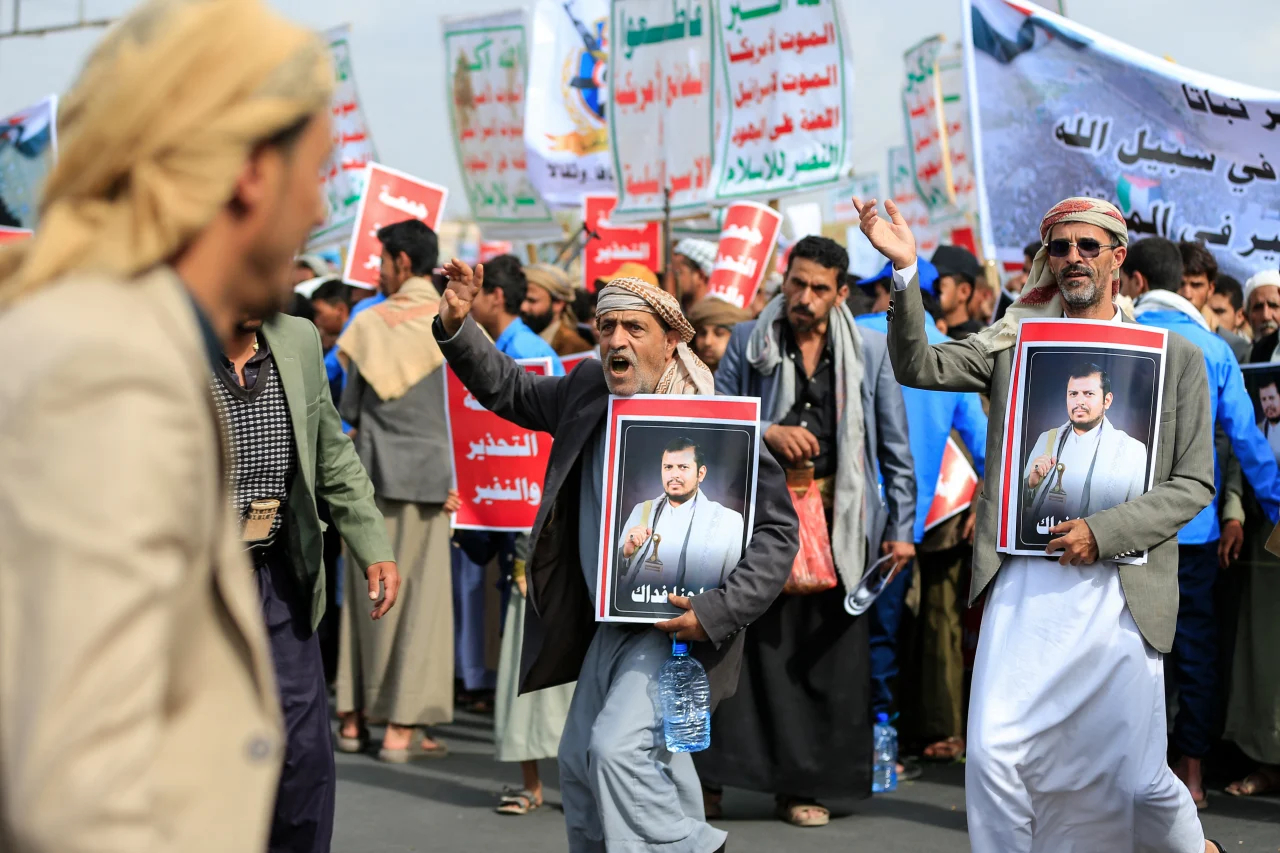
A pattern of strikes and counterstrikes is firmly bedded in, with the additional complication of growing tension between Saudi Arabia and the Iran-allied Houthis in Yemen, who are determined to break a blockade against them.
The diplomatic track seems moribund for now. The flurry of Pakistani and Qatari delegations visiting Iran in an effort to sustain the ceasefire has given way to pessimism among regional diplomats. Qatar itself has been hit twice in the recent flare-up.
Iranian drones have also targeted Oman, days after negotiations between the two states on a management scheme for the Strait. And Iran’s Islamic Revolutionary Guards (IRGC) has struck ships sailing close to the Omani coastline. Traffic in the Strait of Hormuz is down to a trickle.
Iran has repeatedly warned it is ready to step up strikes on neighbors that host US military facilities and a semi-official outlet – Fars – published a list of five ports in Bahrain, Saudi Arabia, Kuwait, Qatar and the United Arab Emirates that it said could become targets if Iranian infrastructure were attacked.
US targeting in recent days has included tunnels, roads, bridges and railways, according to Iranian state media – heightening anxiety that the conflict could spiral.
“Every US escalation is met by an Iranian escalation, as each side seeks to establish new deterrence thresholds with every exchange,” according to Israeli analyst Danny Citrinowicz.
Rather than force Iran back to the negotiating table, “an equally plausible outcome is a conflict that spirals beyond either side’s intentions, expanding into a much broader regional war with diminishing opportunities to restore diplomacy,” Citrinowicz posted on X yesterday.