The director of the Palestinian NGO Network (PNGO), Amjad al-Shawa, said that recent UN reports – particularly the Phase Classification of Food Security report – reveal alarming indicators regarding the Gaza Strip’s humanitarian situation.
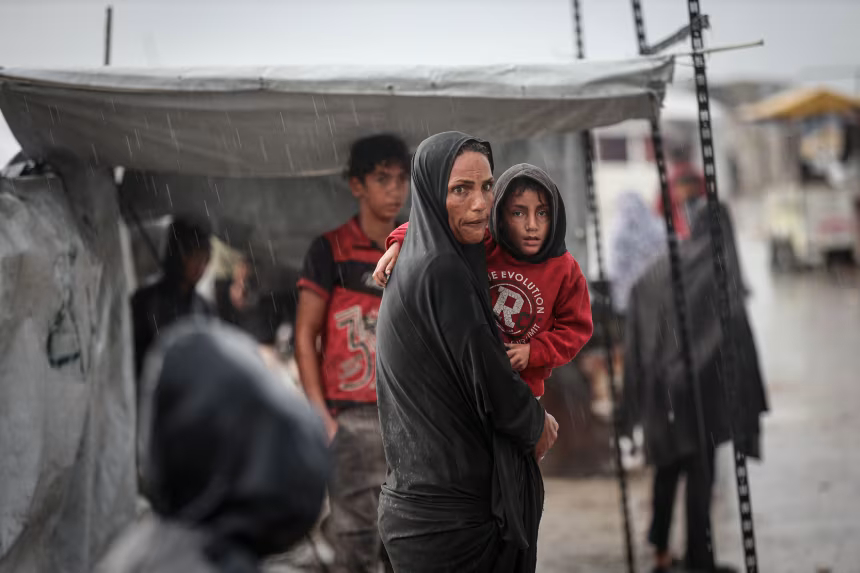
He pointed out that over than 100,000 children under the age of six are suffering from food insecurity, including approximately 37,000 children in critical condition, in addition to 37,000 pregnant and lactating women facing acute malnutrition.
In a phone interview on AlQahera News on Friday, Shawa explained that these figures reflect an unprecedented deterioration in living conditions as a result of continued Israeli restrictions on the entry of aid.
Fragile situation
Shawa added that the UN report indicated a relative and limited improvement in the entry of some food aid, which led the UN to no longer call the situation a “famine”, but he stressed that thee situation remains extremely fragile.
Israel continues to restrict the entry of aid, particularly that related to the integrated food supply chain, which directly impacts the health of children, women, and the most vulnerable groups, he warned.
Shawa added that the crisis is not limited to food, but extends to health, water, psychological well-being, and shelter.
He pointed out that the medical supplies entering the Gaza Strip do not exceed 10 percent of the actual needs, amidst a drug shortage estimated at approximately 52 percent of the essential medicines list.
The recent impact of storms in the Gaza Strip highlight the scale of the humanitarian collapse and confirm that famine persists in various forms, given Israel’s failure to fulfill its humanitarian obligations.
Edited translation from Al-Masry Al-Youm