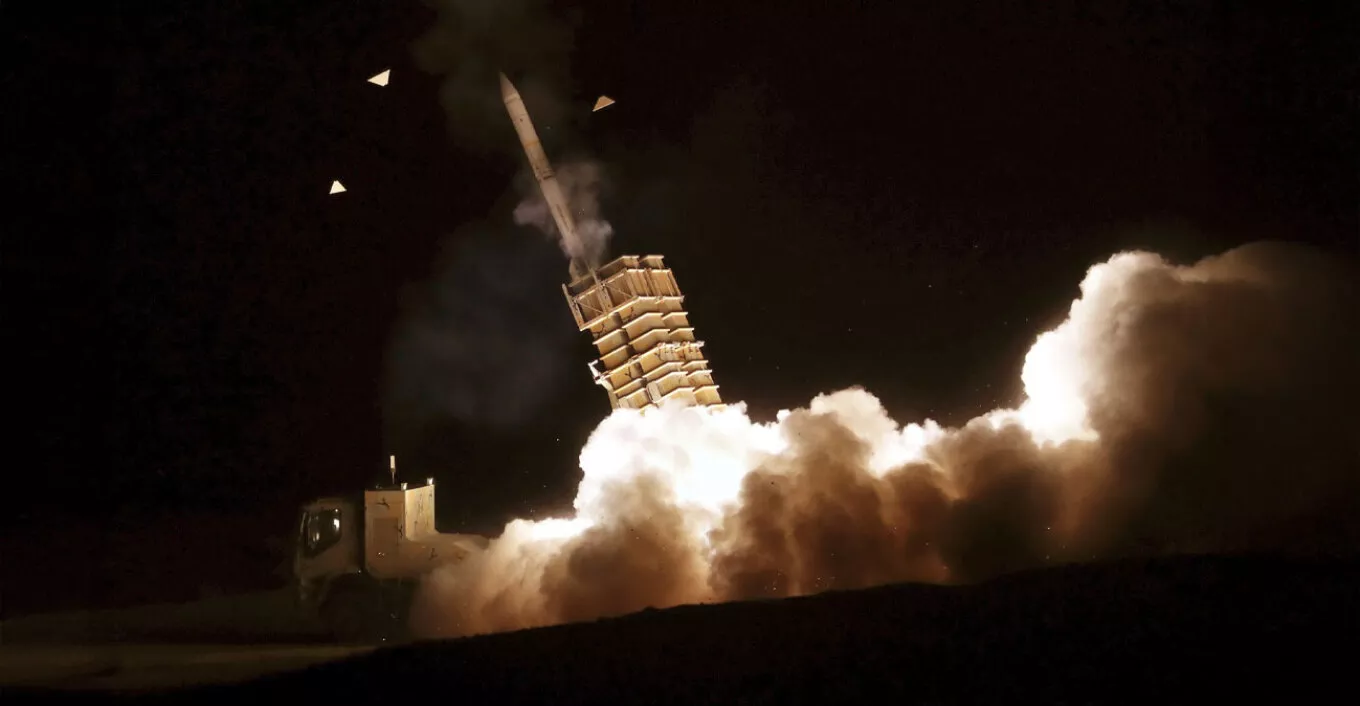
The United States and the United Kingdom have both downgraded their travel advisories for Cyprus, restoring the island to their lowest risk categories three months after an Iranian drone strike on RAF Akrotiri sent cancellations soaring and battered the tourism sector.
The Cyprus Foreign Ministry announced the changes on Monday morning via its official X account, describing them as a positive development for the island’s image as a travel destination.
The US has returned Cyprus to Level 1 — its lowest travel advisory rating, recommending only normal precautions — reversing the Level 3 “Reconsider Travel” warning it issued on 3 March.
At the time, the State Department also authorised non-emergency US government employees and their family members to leave Cyprus due to safety risks following the drone strike the previous day.
The UK has similarly revised its guidance, retaining Cyprus among destinations for which it does not advise against travel whilst also lowering its risk level.
The changes come after a damaging three months for Cypriot tourism. The drone strike on 2 March triggered a wave of tourist cancellations, with daily cancellation rates for short-term rentals jumping from around 15% before the conflict to as high as 100% in the days that followed.
The Cyprus Hoteliers Association reported a nearly 40% drop in bookings for March, with a similar decline expected in April.
The Central Bank of Cyprus revised its 2026 GDP growth projection downward to 2.7% from 3.0%, assuming the conflict would last around two months.
Budget airlines including EasyJet and Jet2 noted weaker demand for Cyprus, with travellers shifting bookings towards western Mediterranean destinations such as Spain.
Tourism contributes nearly 14% to Cyprus’s GDP and the sector had been on an upward trajectory after a record year in 2025, with strong arrivals and revenues exceeding expectations.
The Foreign Ministry said the advisory changes “reflect our country’s image as a safe and quality destination.”