Joining the flight of Canada’s Blue Diamond Resorts and Spain’s Iberostar
The Grand Aston Havana Hotel was controversial from the outset, having been built by the Cuban military conglomerate Gaesa during a period of deep economic crisis in the country. / 14ymedio
Archipelago International severs its relationship with Gaesa, following the lead of Spain’s Iberostar and Canada’s Blue Diamond.
By 14ymedio
HAVANA TIMES – Archipelago International, Southeast Asia’s largest privately owned hotel management group, followed this week in the footsteps of Spain’s Iberostar and Canada’s Blue Diamond by ending its management of hotels linked to Gaviota, the hotel chain controlled by Grupo de Administración Empresarial S.A. (Gaesa), the Cuban military’s business conglomerate.
The decision comes just days before the June 5 deadline set by the US Treasury Department’s Office of Foreign Assets Control (OFAC) for foreign companies to cease operations connected to Gaesa under threat of sanctions.
Archipelago’s hotels in Cuba, operating under the Aston brand — Grand Aston Havana, Grand Aston Varadero, Grand Aston Cayo Paredon, Grand Aston Cayo Las Brujas, and Aston Costa Verde — are now in a situation similar to that of the properties abandoned by Iberostar and Blue Diamond. They may remain open, but they would be managed by Gaviota, which, due to OFAC sanctions, will likely have difficulty securing a new foreign operator.
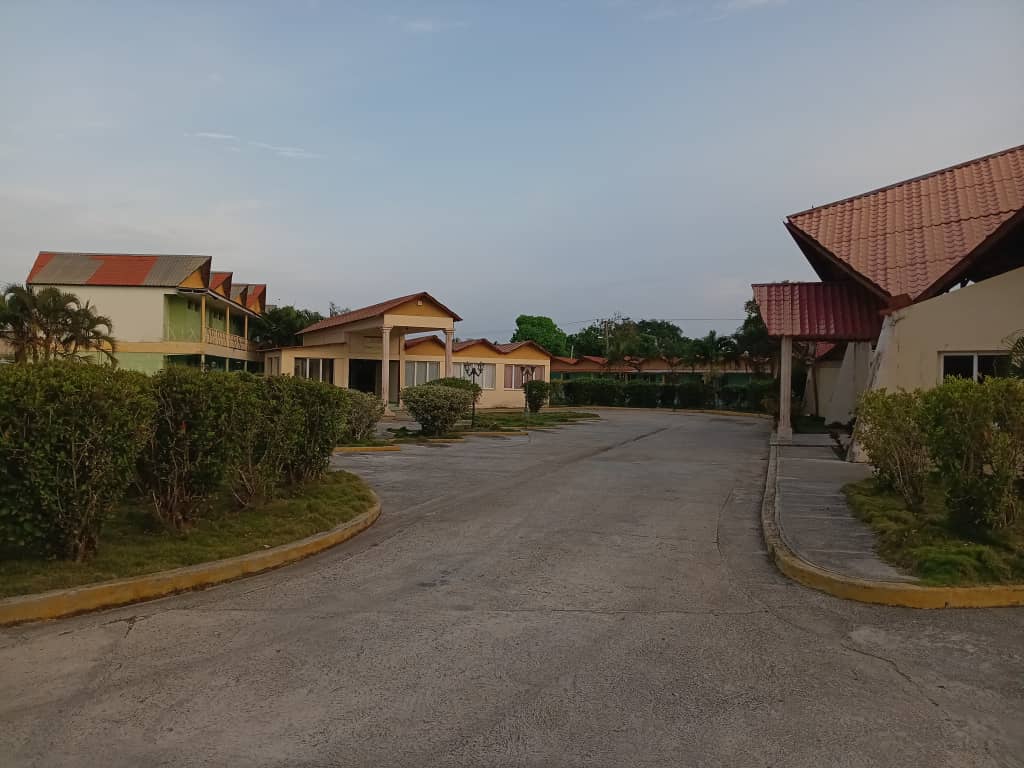
This was confirmed by 14ymedio during a visit today to the Grand Aston Havana, which remains open — though empty — under Gaviota’s administration.
Grand Aston Havana cafeteria this Tuesday, with no customers present. Hotel employees confirmed that the property is now being managed by Gaviota. / 14ymedio
Archipelago’s departure affects several recently built luxury hotels, including the Grand Aston Havana, which was controversial from the moment it opened because Gaesa constructed it while Cuba was experiencing a severe economic crisis directly affecting the population. The Grand Aston, like the Iberostar Selection Habana — located in the controversial K Tower and now closed due to the crisis — was developed during the post-pandemic period.
As shortages worsened and urban decay became increasingly visible throughout many parts of Havana, the Cuban government prioritized the construction of large hotel facilities aimed at international tourism.
Even before Archipelago’s withdrawal was announced Monday, the Grand Aston was already suffering from the collapse of tourism on the island. According to hotel employees interviewed by 14ymedio, business had become so slow that workers were sometimes told “not to come in because there were no tourists.”
For now, Melia has not announced any changes regarding its future in Cuba. Half of its hotels are currently closed due to the consequences of the energy crisis, which has been aggravated by US sanctions and the oil embargo. Of Meliá’s 34 hotels in Cuba, at least 15 are co-managed with Gaviota, including many of the major resort complexes in the cays and some of Varadero’s newest hotels.
In Havana, most of the hotels operated by the Mallorca-based company remain linked to the state tourism groups Cubanacán and Gran Caribe. This includes the Meliá Cohiba, Meliá Habana, and Hotel Sevilla, among others.
It is still unclear how the sanctions will affect Meliá’s presence in Cuba or what strategy the company might adopt to distance itself from Gaesa if necessary.
Meliá manages 14,053 hotel rooms on the island, representing approximately 14% of its global portfolio. A withdrawal from Cuba would impact its stock market value, which had risen 40% this year.
The hotel chain’s president and CEO, Gabriel Escarrer, acknowledged last month that the situation in Cuba is “tough” and “unsustainable,” and that the company continues its strategy of concentrating the few tourists visiting the island into fewer hotels.
“I think very few people today know what is going to happen with Cuba,” he said when asked about Meliá’s future in the country.
Escarrer — son of Escarrer Juliá, the company’s founder and a close associate of Fidel Castro — was already sanctioned by OFAC in February 2020. At the time, while visiting Cuba for a tourism fair, he said he was indifferent to the sanctions and intended to remain on the island for at least another three decades.
“We are not intimidated by outside pressures,” he insisted.
Last February, before Washington intensified sanctions against Gaesa, Escarrer had declared: “It is not our intention to withdraw [from Cuba] in any way, and we are very comfortable with our leadership position.”
The Asian company Aston’s decision was first reported by the Dominican media outlet aerocoa.com, close to the deadline imposed by the US State Department under Executive Order 14404, signed by President Donald Trump on May 1. The order called for sanctions against “those responsible for repression in Cuba and for threats to the national security and foreign policy of the United States.”
A few days later, the decree began to take concrete form with specific sanctions imposed on Gaesa, its president Ania Guillermina Lastres, and Moa Nickel S.A.
On Monday, Spain’s Iberostar announced its separation from Gaviota, leaving under its management only those Cuban hotels owned by Cubanacan or Gran Caribe. Last Saturday, Blue Diamond Resorts announced that it would cease its operations and the use of its name in Cuba “with immediate effect.”
Although Cubanacan appears on OFAC’s Specially Designated Nationals list and is sanctioned by the agency, it is not part of the Gaesa conglomerate, which the US State Department specifically targeted on May 7.
However, sanctions could eventually be extended to the state entities Cubanacan, Gran Caribe, and Islazul if the State Department and OFAC determine that they meet the Executive Order’s criteria regarding “ownership, control, or direct management” by the Cuban government.
First published in Spanish by 14ymedio and translated and posted in English by Havana Times.
Read more from Cuba here on Havana Times.