June the 20th, 2026 – Have you ever heard of the so-called Dalmatian Bethlehem? This ancient stone village has sadly lost 90% of its population, now dominated by the chirping of crickets and little else.
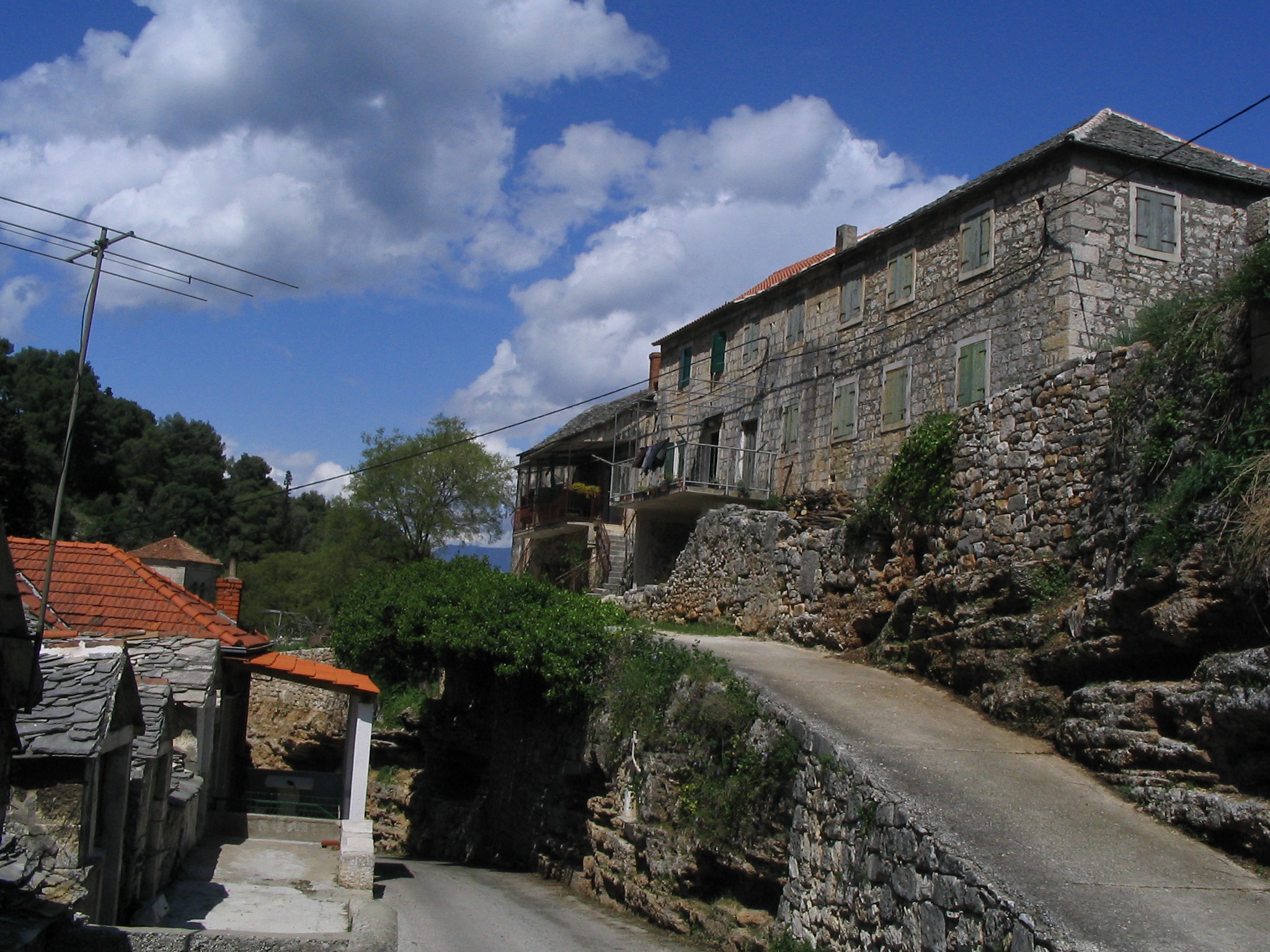
On the central Dalmatian island of Brač, tucked just above the (far better known) coastal town of Postira, lies the small, ancient stone village of Dol. Putni kofer writes that it’s a place often described as the “Dalmatian Bethlehem” because of its dense cluster of traditional stone houses, narrow passages, and dramatic Mediterranean setting carved into a steep, rocky valley.
Despite its striking appearance and cultural charm, Dol has undergone one of the most dramatic demographic declines on the entire island of Brač. In just over 100 years, it has tragically lost nearly 90% of its population.
a timeless village that looks almost biblical
Dol initially developed as a typical Brač island settlement, where life was historically tied to agriculture, olive growing, viticulture, and sheep farming. Its architecture reflects this past. The very tightly packed, old stone houses have been built from local limestone, connected by winding, narrow alleys and dry-stone walls that blend into the surrounding, harsh and typically Dalmatian karst landscape.
This village’s unique visual character is what earned it the nickname “Dalmatian Bethlehem,” evoking an almost biblical impression of stone-built simplicity and timelessness.
one of the harshest examples of croatia’s demographic decline
Back at the beginning of the 20th century, Dol was still a normally functioning rural community with a significantly larger population than it has today. However, as economic conditions changed, the village gradually began to empty as people sought better lives elsewhere. Like many island settlements, Dol was affected by several long-term trends, from migration down to larger coastal towns such as Supetar and Split, the overall decline of traditional agriculture and livestock farming, the search for employment opportunities outside the island, and younger generations moving abroad or to urban centres.
Over time, these gradual but permanent population shifts led to a steady reduction in permanent residents, leaving many traditional homes empty for most of the year.
Today, Dol is only partially inhabited, with a small number of permanent residents maintaining life in the village. Many houses are used as seasonal homes or remain abandoned, though the stone architecture is largely preserved due to its traditional construction. During the summer months, Dol sees more activity thanks to visitors drawn to its authentic Dalmatian atmosphere, quiet surroundings, and historical charm. Still, outside the tourist season, it remains a very quiet place indeed.
dalmatian island challenges mimic croatia’s issues – but they’re on steroids
Dol’s sad story mirrors a wider trend across Brač and many other Croatian islands, particularly in Dalmatia. They are dogged by depopulation driven by urban migration and economic centralisation. Croatia suffers demographically as a whole, but the issues faced by island communities are far more pronounced. Even tourism struggles to rescue what is left in such places, because as coastal tourism continues to grow, inland island villages like Dol face the challenge of maintaining permanent communities.
What remains is a visually stunning but increasingly quiet settlement, a living reminder of how island life in Dalmatia has changed dramatically over the past century.
Subscribe to our newsletter
the fields marked with * are required