- by croatiaweek
- July 4, 2026
-
in
News
Zagreb
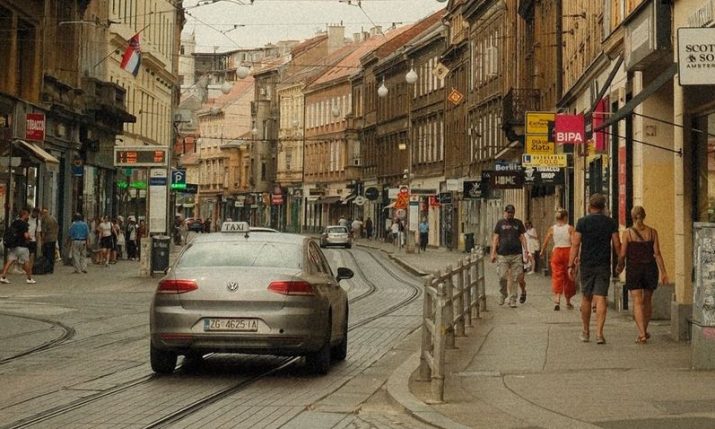
Croatia’s taxi sector recorded a sharp decline in activity in June, with the number of fiscalised taxi journeys falling by 17.51% compared with the same month last year, according to the latest data from the Croatian Tax Administration, Lider.hr has reported.
Nearly 2.45 million taxi rides were recorded in June 2025, compared with around 2 million this June.
At the same time, the average value of a taxi receipt increased by 15.77%, suggesting that higher fares may have contributed to weaker demand.
The largest fall was recorded in Zagreb, where the number of fiscalised taxi receipts dropped by 45.85% year-on-year.
Despite average fares in the capital rising by a more modest 10.29%, total revenue generated by taxi services in Zagreb declined by 40.28% compared with June last year.
The decline was also evident across Croatia’s main tourist regions.
Istria recorded a 26.8% fall in taxi journeys, while Split-Dalmatia County saw volumes decline by 19.4%.
In the Zadar region, taxi rides fell by 16.3%, while the Dubrovnik area recorded a smaller, but still significant, decline of 11.2%, says Lider.hr.
The figures come as the Croatian Government prepares changes to the Road Transport Act, which would give the Transport Minister the authority to regulate how taxi fares are determined through a new rulebook.
Under the proposal, the rulebook would define key pricing elements, including the starting fare, price per kilometre, price per minute of travel and waiting charges.
The Government says the changes are intended to protect consumers, ensure comparable operating conditions across the industry and prevent unjustified increases in taxi prices.
The decline in journeys may not be linked solely to higher prices.
Industry data previously indicated that the number of legally operating taxi drivers in Croatia has fallen significantly following the introduction of mandatory identification cards. Estimates suggest there are now around 15,000 licensed taxi drivers, compared with earlier estimates of as many as 40,000 operating in the market.
A smaller supply of drivers could also contribute to higher fares and lower numbers of completed journeys.