- by croatiaweek
- July 14, 2026
-
in
News
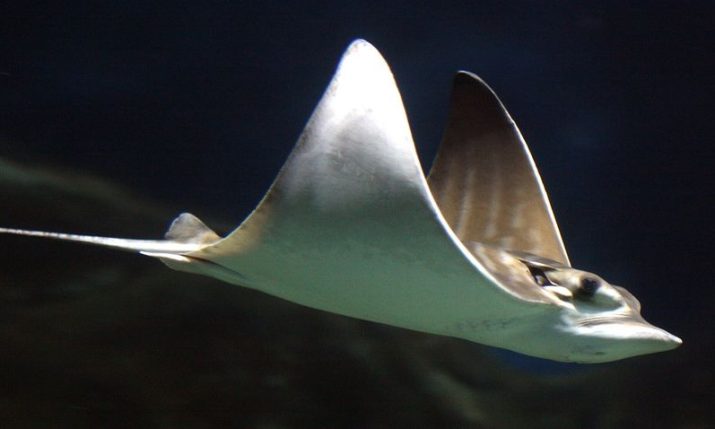
Bull ray (Photo: CIUDAD DE LAS ARTES Y LAS CIENCIAS VALENCIA – Oceanogràfic/CC BY 2.0)
PULA, 14 July 2026 – A critically endangered bull ray (Aetomylaeus bovinus), also known as the bull ray or duckbill eagle ray, has been spotted in Valkane Bay in Pula, adding to a series of unusual sightings of the species in the northern Adriatic.
The adult ray was observed by diver Klaudio Rajković during a dive on 6 July. Although he was not carrying a camera at the time, he immediately reported the sighting, providing valuable information for scientists monitoring the species, Aquarium Pula said in a statement.
According to his observations, the ray had a wingspan of around 1.5 metres and its distinctive long tail measured roughly two-thirds of its total body length.
The animal was seen at depths of between four and 10 metres, searching the seabed for shellfish and crustaceans. During the approximately 10-minute encounter, Rajković also noticed around 40 smaller fish feeding on organisms disturbed as the ray dug through the seabed.
The sighting is particularly significant as it coincides with an unusually high number of bull ray observations in the Miramare Marine Protected Area in the Gulf of Trieste. Earlier this month, scientists there recorded the rays feeding on mussels at aquaculture sites, with one group numbering more than 50 individuals, the largest aggregation ever documented in the area.
Researchers have described the event as an exceptionally rare occurrence for the Mediterranean.
It remains unclear whether the individual seen in Pula is connected to those observed in the Gulf of Trieste. However, the latest sighting further underlines the ecological importance of the northern Adriatic.
In 2023, the northern Adriatic was designated an Important Shark and Ray Area (ISRA), recognising its significance as a breeding and nursery habitat for sharks and rays. The region provides sheltered conditions and abundant food sources for young animals.
The bull ray is listed as Critically Endangered by the International Union for Conservation of Nature (IUCN). According to the organisation, the species’ global population has declined by more than 80% over the past 50 years.
The report from the Pula diver provides another valuable record that could help scientists better understand the movements and conservation needs of one of the Mediterranean’s rarest rays.