May the 23rd, 2026 – There is plenty of construction along the Croatian coast, with some of it having not exactly been legal in the past. With cranes now as common as palm trees, the question is, is there too much of it going on?
From Istria to southern Dalmatia, new apartment blocks, villas and tourism developments continue rising rapidly along some of the Adriatic’s most desirable stretches of coastline. How much is too much?
Tourism demand, foreign investment and rising property values continue fuelling an intense wave of development across the Adriatic. New apartments, holiday homes, luxury villas and mixed-use tourism projects are appearing in both major destinations and smaller coastal towns. For investors and local governments, construction remains economically attractive because tourism property still generates strong demand and relatively high returns. Across very many coastal areas, real estate development has become one of the dominant economic activities.
foreign demand continues the momentum
While it’s true that many of Croatia’s old stone houses are being bought up by foreigners, one major factor behind continued brand new expansion is international interest. Foreign buyers from Germany, Austria, Slovenia and other European countries remain highly active in Croatia’s coastal property market, particularly in Istria and Dalmatia. Many buyers seek second homes, investment apartments or lifestyle relocation properties near the sea. That demand continues driving new projects even as prices rise sharply beyond average Croatian purchasing power.
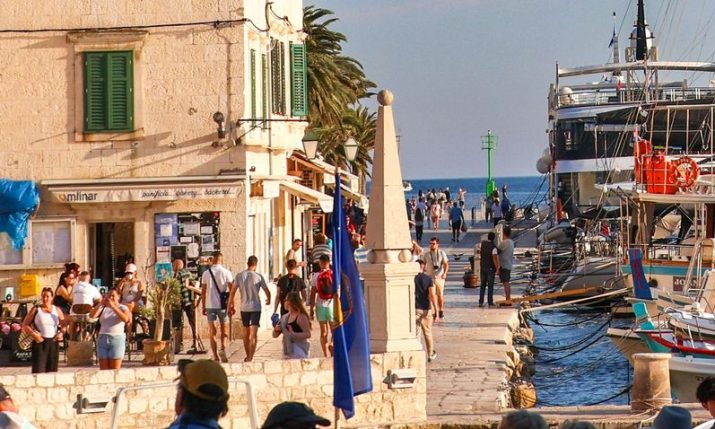
In some destinations, the pace of construction is becoming increasingly controversial because the visual character of towns is changing rapidly. There are plenty of understandable complaints about constant over-development, dense apartment blocks and loss of the coast’s traditional architectural identity.
Residents in some coastal communities argue that uncontrolled expansion risks turning parts of the Adriatic into generic real estate zones rather than preserving local character. This tension is especially visible in smaller towns where new development dramatically alters previously quiet landscapes.
The construction boom also creates practical pressure, and it lies mainly on Croatia’s old and often entirely unequipped infrastructure. Roads, parking systems, waste collection, water supply and electricity infrastructure often struggle to expand at the same speed as tourism and real estate growth. There are very valid concerns that some coastal areas are approaching infrastructure limits during peak summer periods.
Critics argue that long-term planning is not always keeping pace with private development.
how much is too much? tourism is the only thing holding all the cards
Part of the challenge is that Croatia’s economy remains deeply connected to tourism and property investment. Construction generates jobs, tax revenue and local economic activity, making restrictions politically sensitive. Many municipalities actively support development because tourism-related real estate represents one of the fastest ways to increase local income. As a result, balancing economic growth with environmental and urban sustainability becomes extremely difficult.
Beyond urban appearance itself, environmental pressure is becoming a major issue in the face of construction along the Croatian coast. This coastal construction seriously affects green areas, water systems, natural landscapes and public access to the sea. Croatian environmental discussions are focused primarily on whether parts of Croatia’s glorious coastline and islands are losing the very natural beauty that originally made them internationally attractive in the first place.
This concern has become stronger as climate pressures and overtourism debates expand across southern Europe.
Another growing issue is affordability. As coastal property prices continue rising, many younger people who grew up along the coastline feel home ownership near the Adriatic is becoming unrealistic without inherited property or foreign-level incomes. Luckily, most of these homes are passed down from generation to generation, with Croatia having a very high level of home ownership, but that isn’t always the case. In some areas, locals increasingly view their own coastal towns as markets designed primarily for tourists and international buyers rather than permanent residents. That perception is creating deeper social tension around development.
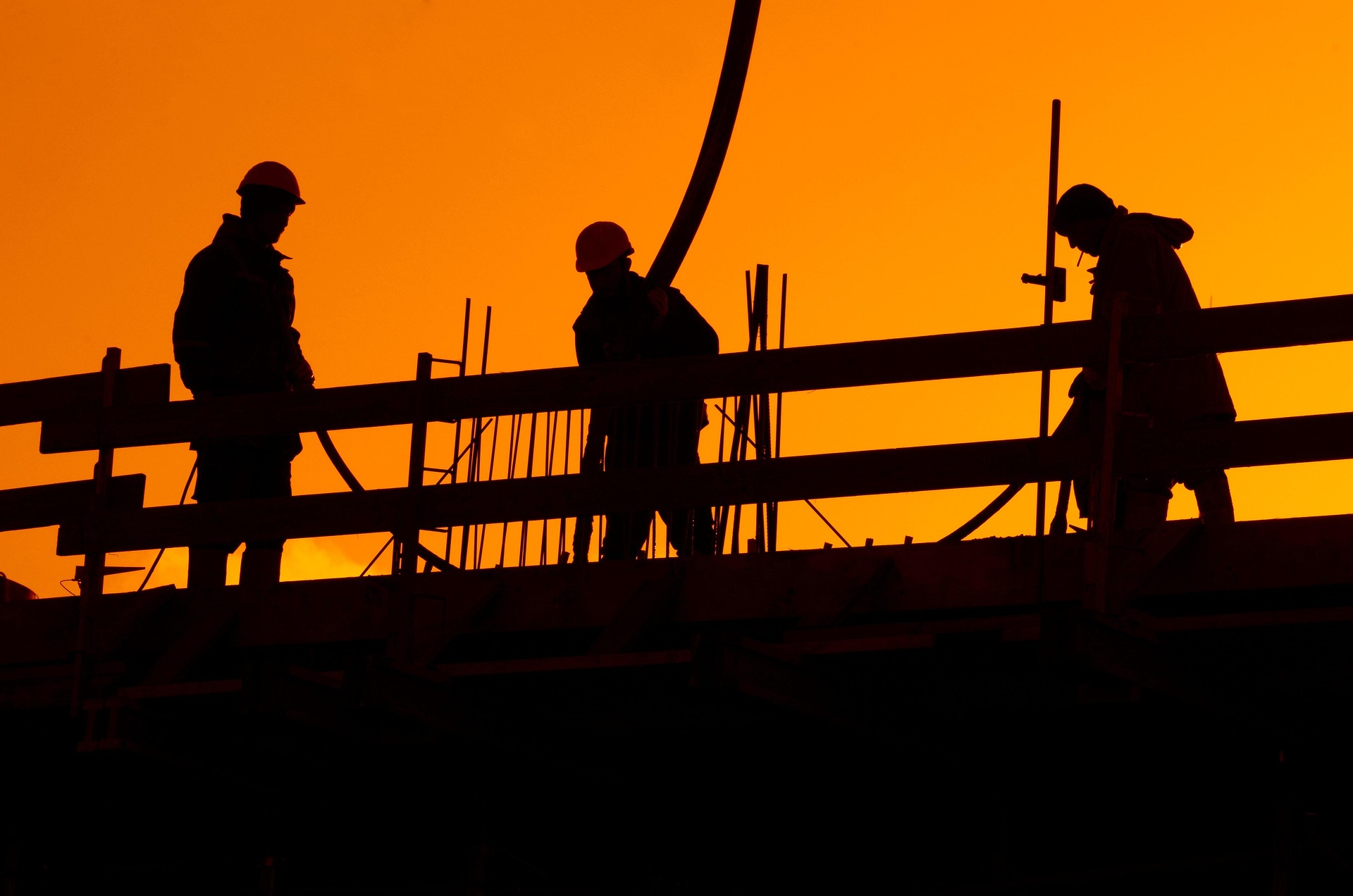
the price of popularity is demonstrated by building sites
The Adriatic construction boom exists because Croatia remains one of Europe’s most desirable tourism and lifestyle destinations. Demand for coastal property is strong precisely because people want access to the country’s scenery, climate and Mediterranean atmosphere.
But success itself is creating pressure.
Croatia is now facing the very same dilemma visible across much of southern Europe, and that begs the question of how a country can continue to benefit economically from international demand without permanently damaging the character of the place itself.
For now, construction across the Adriatic continues at remarkable speed, but public concern is becoming more visible each year. The question is no longer whether Croatia’s coast is changing. It definitely is, it’s now about how much change the Croatian coast can absorb before it starts losing what made it special in the first place.
Subscribe to our newsletter
the fields marked with * are required