
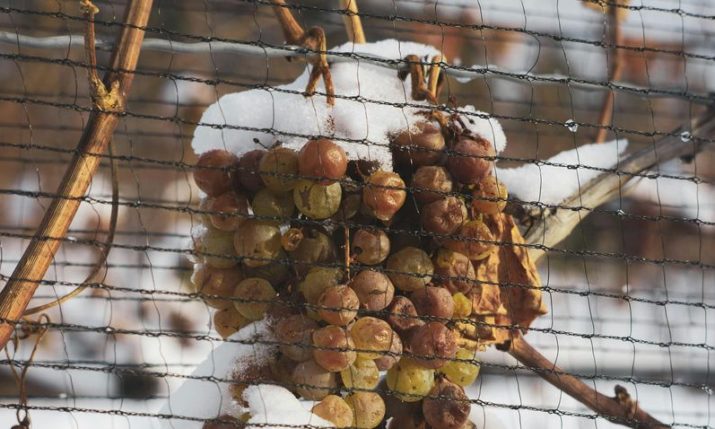
ZAGREB, 23 January 2026 (Hina) – While January’s deep freeze brought disruption and discomfort for many, Croatia’s winemakers found a rare reason to celebrate.
Exceptionally low temperatures finally allowed the return of ice wine harvests, a tradition that has become increasingly scarce due to climate change.
Ice wine, produced from grapes harvested and pressed while frozen, is among the most prized and labour-intensive styles of wine in the world. In Croatia, such harvests now occur only once every five years or more, making each vintage highly anticipated.
The reward for patience is considerable. Ice wines are intensely sweet, thick and syrup-like, with extraordinarily concentrated sugars.
They are produced in tiny quantities, age gracefully for decades, and command premium prices. Typically opened only on special occasions, they are served with fine desserts and are in strong demand among Croatian consumers and top restaurants alike.
Kutjevo completes rare harvest after years of waiting
At Kutjevo, one of Croatia’s most renowned wineries, the ice harvest took place during the first third of January under exceptionally low temperatures. According to chief oenologist Ivan Marinclin, the harvest lasted just two hours, from 7am to 9am, with around 30 workers hand-picking frozen grapes.
The grapes were harvested from 0.8 hectares at the Hrnjevac site, one of Kutjevo’s oldest vineyards, yielding 850 litres of must.
“Once you set aside the cold, the harvest itself was not overly demanding as the vines were already without leaves,” Marinclin explained.
The thick, honey-like must will now ferment slowly for up to a year, with the final wine expected to reach between 9 and 13 per cent alcohol.
Kutjevo typically achieves an ice harvest only once every five to seven years. Their previous ice wine from 2018 currently sells for €87 for a 0.375-litre bottle, and Marinclin estimates that this year’s wine could reach around €100 per bottle once released.
“The must is healthy and in excellent condition,” he said, noting that Kutjevo once produced ice wine annually, but now relies entirely on favourable weather conditions. Last year’s grapes were unsuitable, and the harvest was abandoned altogether.
Ice harvests also return to Ilok vineyards
The cold spell also reached Croatia’s easternmost vineyards. At Principovac, near Ilok, thermometers dropped to –9°C, enabling another major ice harvest.
Around 30 pickers harvested 1,400 kilograms of grapes, producing approximately 700 litres of must, which will eventually yield around 500 litres of finished ice wine.
Chief oenologist at Iločki podrumi, Ivana Raguž, said the harvest was particularly challenging due to the extreme cold and the additional task of removing protective netting from the traminer vines.
The winery’s previous ice harvest was three years ago. Following fermentation, the wine will mature in barrels and is expected to reach the market no earlier than two years from now.
“The price will likely be around €100 per bottle,” Raguž said. “We sell everything without difficulty, mostly in Croatia. Ice wines are usually purchased for important celebrations or as impressive gifts.”
Small producers see ice wine as a mark of distinction
Smaller wineries also seized the opportunity. Mladen Papak, owner of Vina Papak in Ilok, spent three hours harvesting grapes at –8°C alongside 15 workers across half a hectare of vineyard.
“It was easy to pick as there were no leaves,” Papak said, adding that the grapes were pressed while still frozen.
This was Papak’s third ice harvest, which he manages approximately every five years. While previous harvests focused on traminer, this year he produced ice wine from graševina. The yield was just 300 litres of must, representing only five to ten per cent of what a standard harvest would produce.
His ice wine sells for €55 per bottle, and for Papak, the motivation extends beyond profit.
“We are a small winery, not a large company. Not everyone can do this,” he explained. “Ice wine shows what small producers are capable of. It is demanding work, and many winemakers avoid it. For us, it is also a form of promotion.”
Not all winemakers are enthusiastic. Veteran winemaker Vlado Krauthaker jokingly dismissed the practice when asked whether he had taken part in an ice harvest.
“I don’t recognise that harvest,” he said with a smile. “That’s frozen aggregate matter – not my idea of pleasure. It’s for big companies that forget to harvest on time.”
Despite differing views, this year’s extreme cold has once again demonstrated how rare weather conditions can briefly revive a disappearing tradition, producing some of Croatia’s most exclusive and sought-after wines.


