Your support helps us to tell the story
From reproductive rights to climate change to Big Tech, The Independent is on the ground when the story is developing. Whether it’s investigating the financials of Elon Musk’s pro-Trump PAC or producing our latest documentary, ‘The A Word’, which shines a light on the American women fighting for reproductive rights, we know how important it is to parse out the facts from the messaging.
At such a critical moment in US history, we need reporters on the ground. Your donation allows us to keep sending journalists to speak to both sides of the story.
The Independent is trusted by Americans across the entire political spectrum. And unlike many other quality news outlets, we choose not to lock Americans out of our reporting and analysis with paywalls. We believe quality journalism should be available to everyone, paid for by those who can afford it.
Your support makes all the difference.Read more
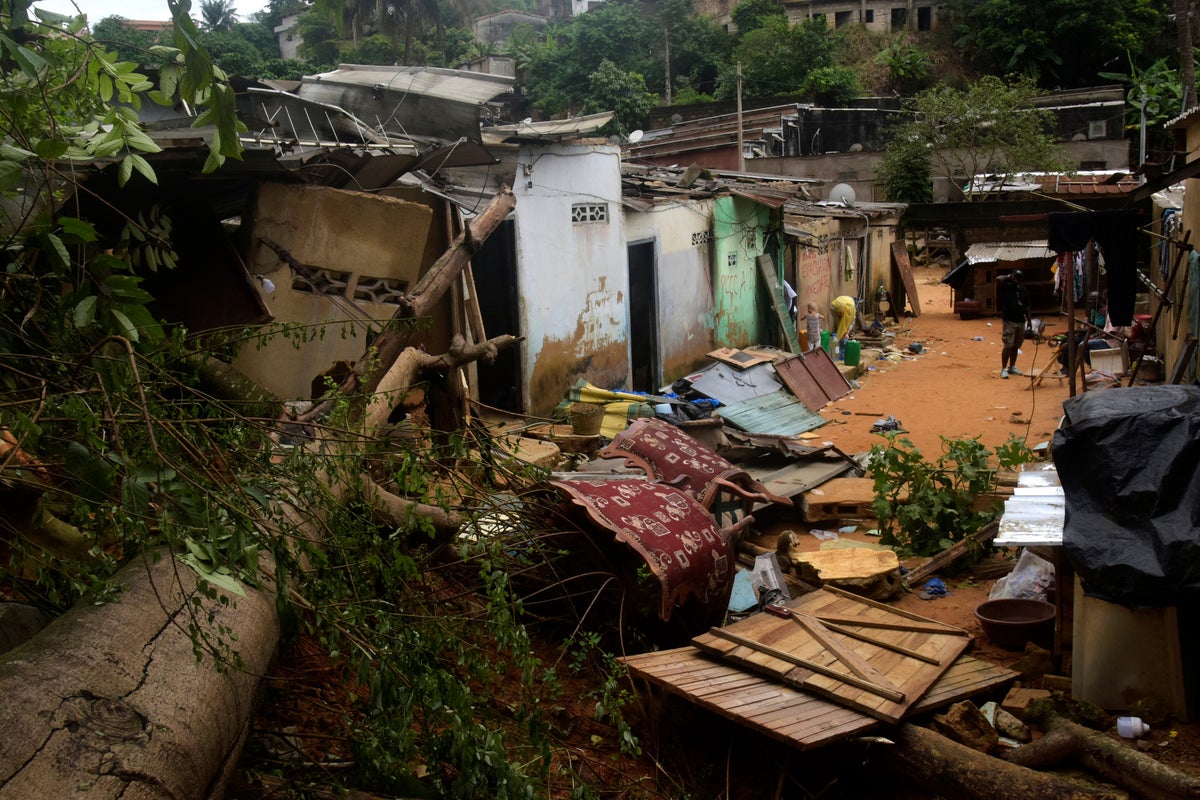
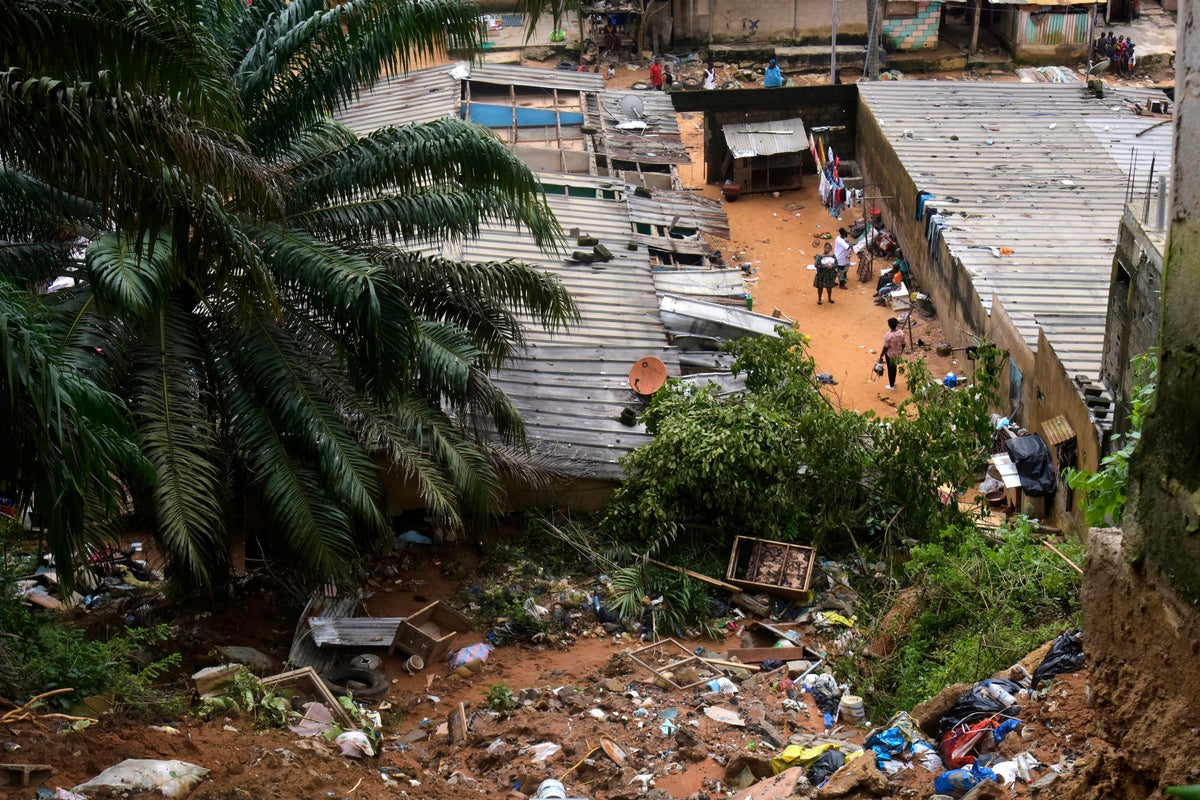
Recent floods in Ivory Coast have killed at least 59 people, a government spokesperson said on Wednesday.
Speaking after a Cabinet meeting, Amadou Coulibaly told reporters that “the council deplores the particularly high death toll of 59 this year.”
On Monday, floods and landslides triggered by days of torrential rain in the capital cities of Ghana and Ivory Coast left at least 24 people dead and more missing.
Coulibaly did not specify how many people had died as a result of the most recent flooding in Ivory Coast.
Entire buildings and roads were submerged in Accra, Ghana on Monday, cutting off access to several areas of the Ghanian capital and in the neighboring city of Tema.
In Ivory Coast, several days of rain brought flooding that left more than a dozen people dead, most of them in municipalities of Attécoubé and Yopougon in the capital, Abidjan, according to the Minister of National Cohesion Myss Belmonde Dogo.
Coulibaly urged residents to follow safety guidelines and leave areas designated as high risk by the government.
Deadly floods are common in parts of Africa, which is among the regions of the world most vulnerable to extreme weather events despite being responsible for a small fraction of global greenhouse gas emissions, according to the World Meteorological Organization.