Your support helps us to tell the story
From reproductive rights to climate change to Big Tech, The Independent is on the ground when the story is developing. Whether it’s investigating the financials of Elon Musk’s pro-Trump PAC or producing our latest documentary, ‘The A Word’, which shines a light on the American women fighting for reproductive rights, we know how important it is to parse out the facts from the messaging.
At such a critical moment in US history, we need reporters on the ground. Your donation allows us to keep sending journalists to speak to both sides of the story.
The Independent is trusted by Americans across the entire political spectrum. And unlike many other quality news outlets, we choose not to lock Americans out of our reporting and analysis with paywalls. We believe quality journalism should be available to everyone, paid for by those who can afford it.
Your support makes all the difference.Read more
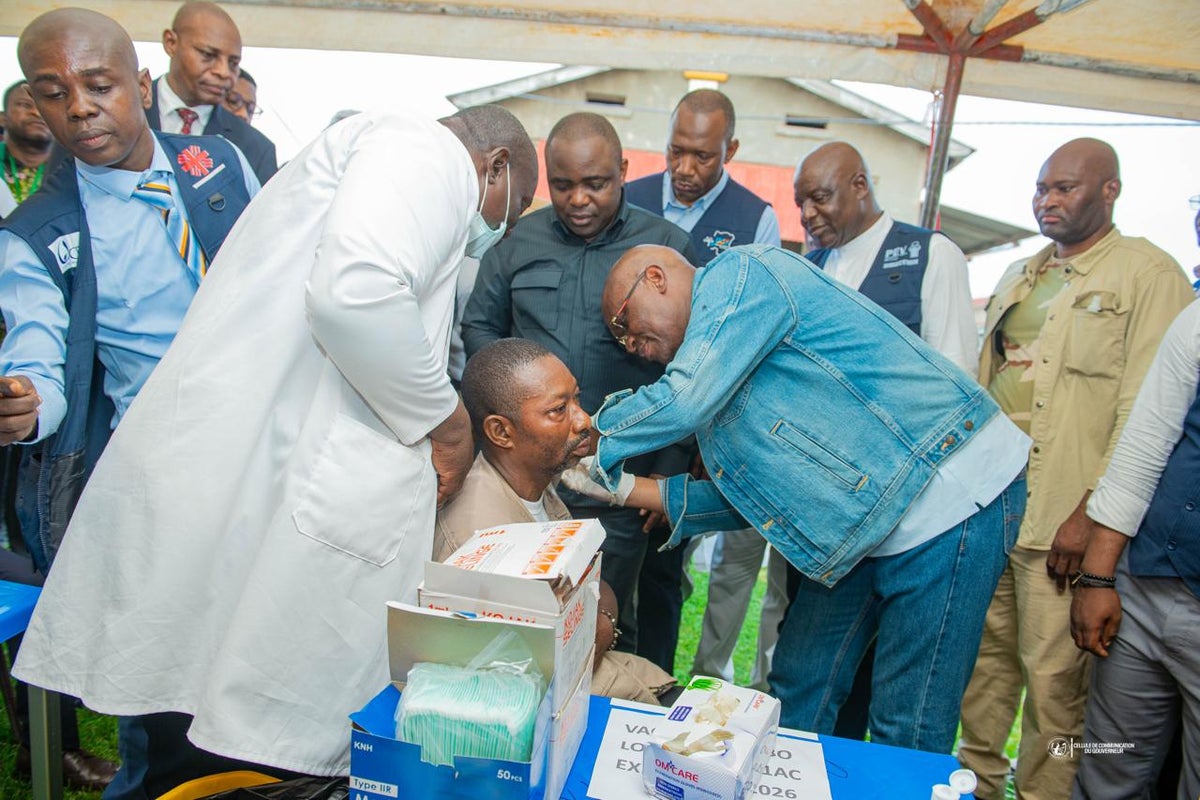
Congo has received more than 16,000 doses of the Ervebo vaccine as the country grapples with the fastest Ebola outbreak in history, the country’s health minister said.
The 16,250 doses arrived at the N’djili International Airport in the capital, Kinshasa, late Friday, as part of 70,000 doses expected from the World Health Organization and partners that were announced on Thursday. More doses are expected early next week.
The current Ebola outbreak in Congo is caused by the rare Bundibugyo virus, which currently has no approved treatment or vaccine. It can spread easily and go undetected because some of its symptoms are similar to other illnesses, such as malaria. The Ervebo vaccine is licensed to treat Ebola and has been effective in past outbreaks. The WHO said it may provide some protection against the Bundibugyo virus.
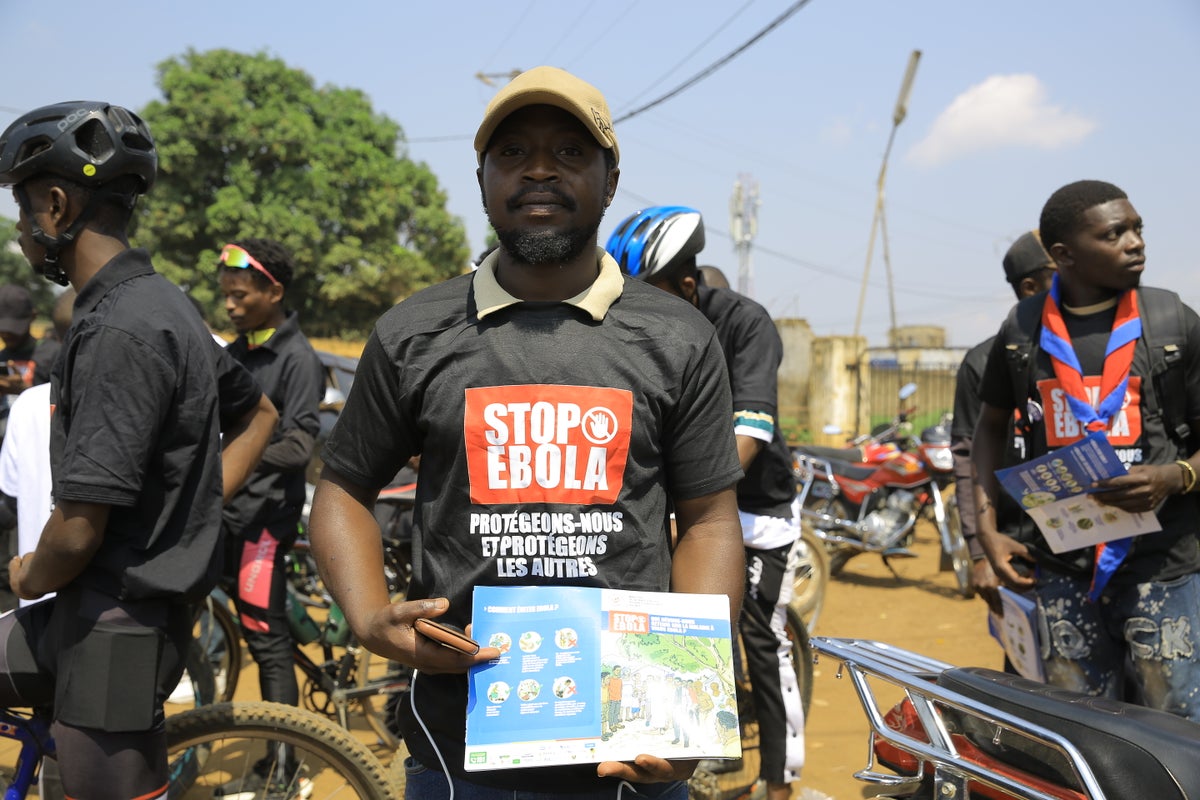
The latest outbreak, which has recorded 2,516 deaths out of the 5,290 confirmed cases as at Friday, is spreading at an unprecedented rate and is on track to surpass the deadliest outbreak on record, which killed over 11,000 people across West Africa between 2014 and 2016. Data from the Africa Centre for Disease Control shows that transmission has not yet peaked and could reach three times its known rate.
Efforts to contain the outbreak have been hampered by armed conflict between the government and rebel groups, which control key cities in the hot spot; attacks on medical personnel and facilities; an itinerant labor population and people displaced by the armed conflict; and a lack of critical infrastructure.