Your support helps us to tell the story
From reproductive rights to climate change to Big Tech, The Independent is on the ground when the story is developing. Whether it’s investigating the financials of Elon Musk’s pro-Trump PAC or producing our latest documentary, ‘The A Word’, which shines a light on the American women fighting for reproductive rights, we know how important it is to parse out the facts from the messaging.
At such a critical moment in US history, we need reporters on the ground. Your donation allows us to keep sending journalists to speak to both sides of the story.
The Independent is trusted by Americans across the entire political spectrum. And unlike many other quality news outlets, we choose not to lock Americans out of our reporting and analysis with paywalls. We believe quality journalism should be available to everyone, paid for by those who can afford it.
Your support makes all the difference.Read more
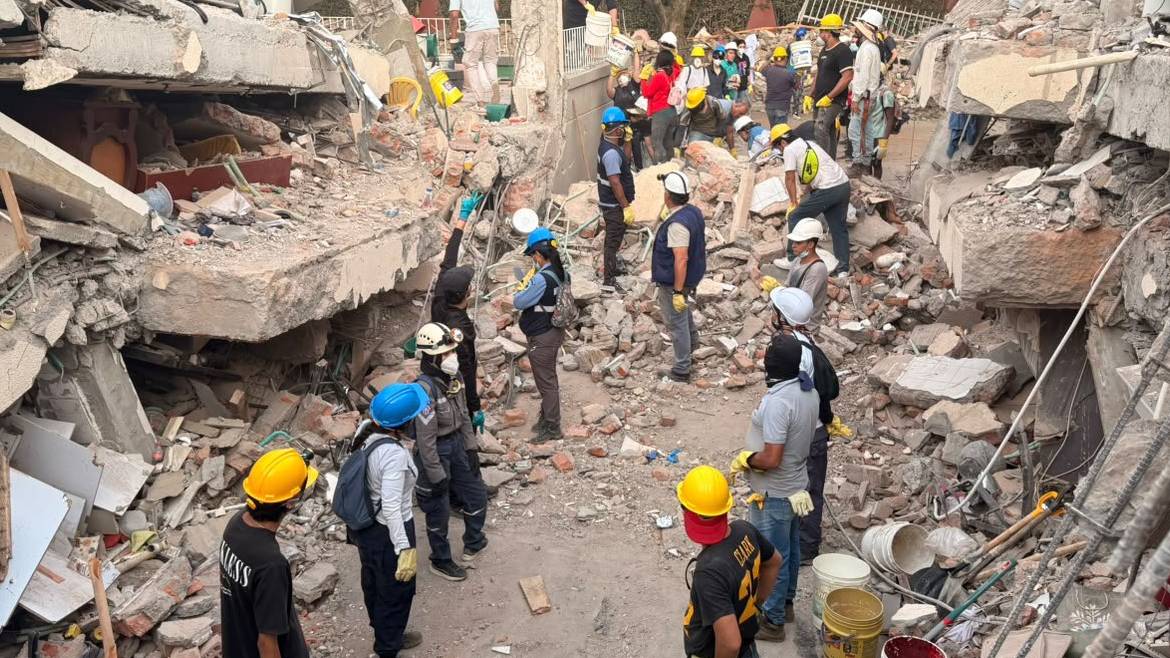
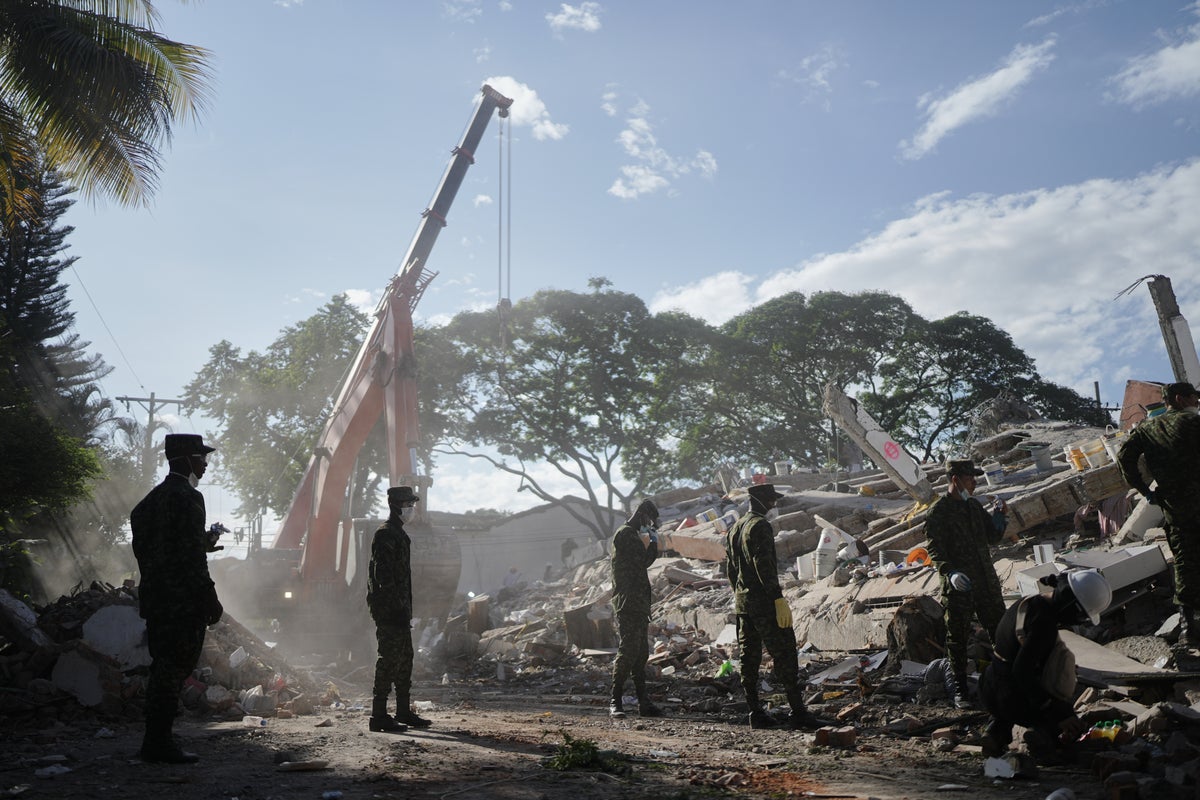
With arms raised and fists clenched, rescuers in Colombia called for silence Thursday as they listened for signs of life in the rubble left by a deadly earthquake that has killed at least 265 people and left hundreds more missing.
The call for quiet was part of last-ditch efforts by search-and-rescue teams to find survivors in the aftermath of the 7.4-magnitude quake that struck the South American country Monday. Aid agencies consider the first 48 to 72 hours after a quake to be the prime window for retrieving survivors. But that time frame can be extended if those trapped have access to food and water.
“There might be two more people alive here, and I’m hopeful,” rescuer Daiana Rojas, 25, told The Associated Press. “We have been hearing sounds since 2:30 a.m., so our hope remains.”
Rojas and her family were unharmed by the quake, the most powerful to hit Colombia in this century. She has been working as a volunteer to help search for survivors in Cali, one of the most affected cities, along with Pereira, Manizales and Quibdó.
“I thought that was going to be my last moment alive,” she said, recalling the terror of the quake. “Seeing this situation in my city breaks my heart.”
The mayor of Cali, Alejandro Eder, told reporters Wednesday that rescue teams continue to find signs of life under the rubble and were racing to save anyone within reach. “The next 20 hours are the most critical to find and rescue people alive,” he said.
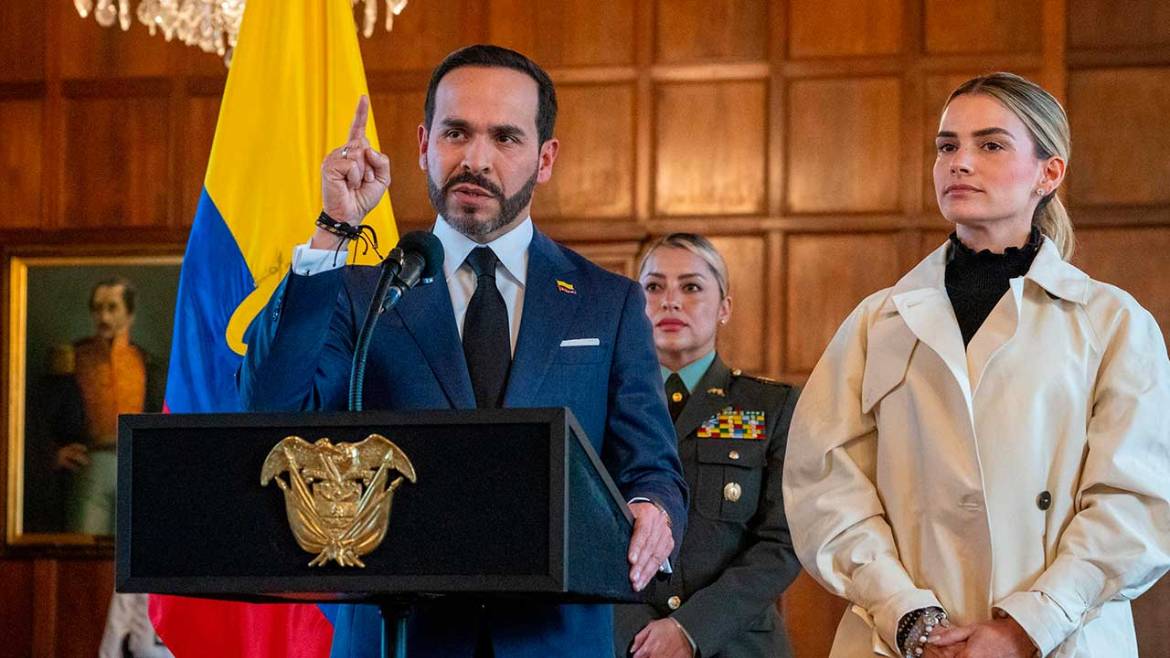
The devastation has tested Colombia’s new president, Abelardo de la Espriella, and his government as they scramble to respond while aid groups push to help the most heavily damaged communities.
De la Espriella said Wednesday that nearly 500 people were reported missing, though civilian-run databases put that number at more than 4,200. In total, more than 25,800 families have been affected, de la Espriella said.
Rojas has witnessed two people being pulled alive from the debris, as well as the recovery of bodies.
“They are not a relative or a friend of mine, but it feels as they were,” she said of the survivors who have been found. “Whenever rescuers ask for silence, everyone stays still and tries not to move, speak or whisper. But when signs of life are found, all the teams start to applaud.”
___
Suarez reported from Bogota, Colombia. Batschke reported from Santiago, Chile.