Your support helps us to tell the story
From reproductive rights to climate change to Big Tech, The Independent is on the ground when the story is developing. Whether it’s investigating the financials of Elon Musk’s pro-Trump PAC or producing our latest documentary, ‘The A Word’, which shines a light on the American women fighting for reproductive rights, we know how important it is to parse out the facts from the messaging.
At such a critical moment in US history, we need reporters on the ground. Your donation allows us to keep sending journalists to speak to both sides of the story.
The Independent is trusted by Americans across the entire political spectrum. And unlike many other quality news outlets, we choose not to lock Americans out of our reporting and analysis with paywalls. We believe quality journalism should be available to everyone, paid for by those who can afford it.
Your support makes all the difference.Read more
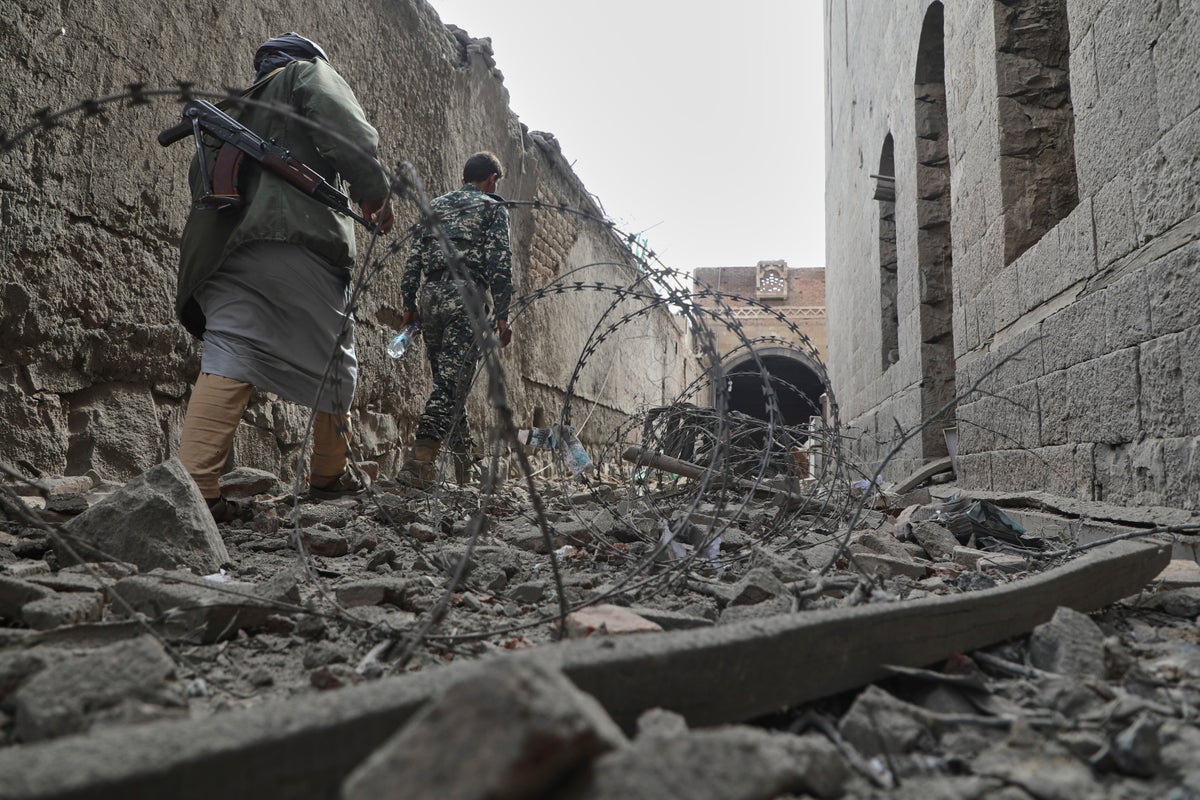
War and conflict is a “blind spot” consistently overlooked in climate talks, a network of countries have warned at the Cop30 climate conference in Brazil.
In a statement shared exclusively with The Independent, a group of 10 countries, have called on the Cop30 climate conference to “more equitably” allocate climate finance, and for the money to be channelled more effectively towards adaptation and resilience projects, as opposed to simply being provided once a humanitarian disaster has already struck.
The countries behind the statement – who collectively form a group known as the Improved and Equitable Access to climate finance (IEACF) Network – include Somalia, Papua New Guinea, Timor Leste, Yemen, South Sudan, Chad and Burundi.
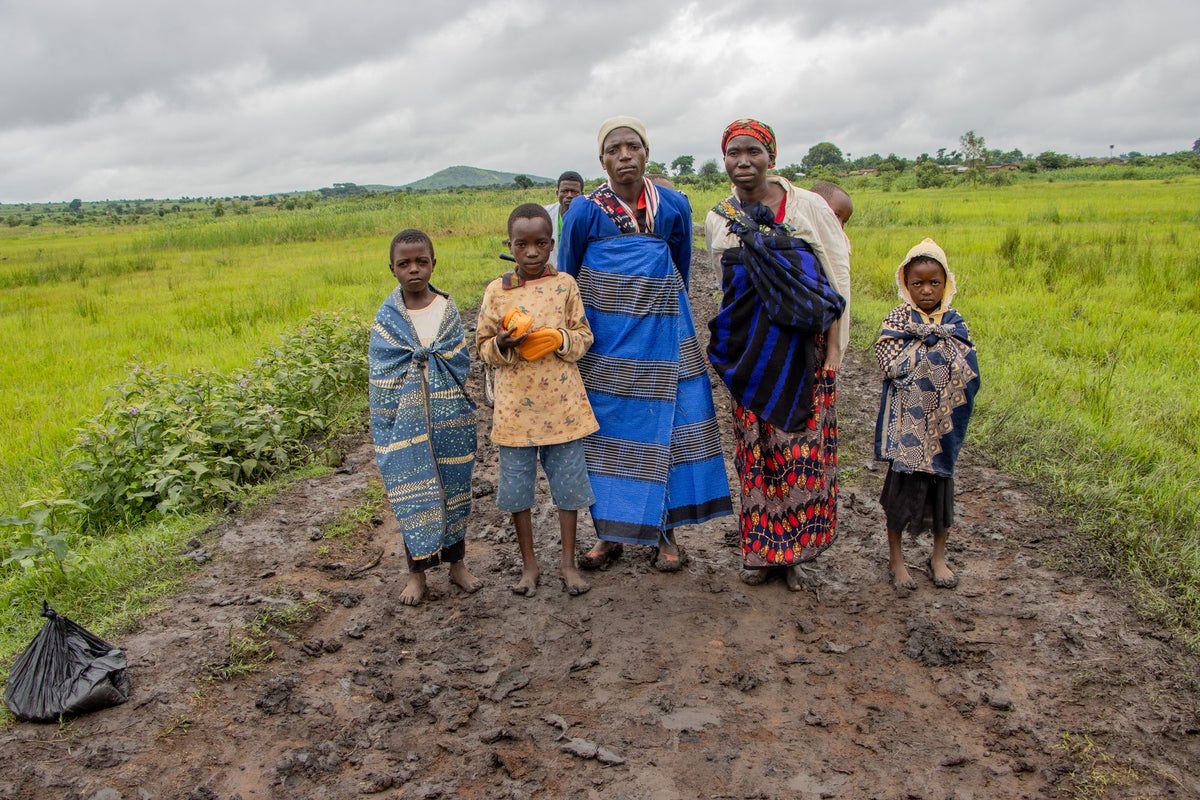
They also warned that they are among the most vulnerable to impacts of the climate crisis , but are only receiving 10 per cent of global climate aid, which is preventing them from adapting and building resilience to the devastating impacts of the climate crisis.
The announcement comes a year after the network was formed at Cop29, which came with a call for $20 billion in aid annually to meet these countries’ climate adaptation needs. This year, however, the Brazilian presidency has ignored the countries’ calls for the subject to be a key part of the agenda, despite high profile conversations around climate finance in other areas.
Mauricio Vazquez, head of policy for global risks and resilience at think tank ODI Global, said: “We have a situation where these countries are being impacted the most by climate change after contributing the least – but because of how global financial architecture is organised, they are not receiving money to address the problem.
“The money instead goes to humanitarian aid, which does not make sense. Somalia, for example, receives around $300m in climate finance per year, but more than $1bn in humanitarian aid.”
The network, added Vazquez, is about helping countries share learnings around accessing aid, to combat a system that is prioritising wealthier or more stable countries “Like Brazil or South Africa”. His comments come after a former chair of the Least Developed Countries (LDC) group told The Independent that red tape is making it very difficult for the world’s poorest nations to get the help they desperately need.
Ahead of the statement being released, a number of representatives from conflict-affected countries told The Independent about the challenges of accessing aid to tackle climate change.
“Chad is a landlocked country facing several challenges, aggression from the terrorist group Boko Haram, and the fall-out from Lake Chad shrinking more than 90 per cent over the past fifty years due to climate change,” said Oumar Gadji Soumaila, director general for Chad’s climate fund.
“We understand that climate donors cannot just give out their money without assurances, and we are not after an easier path. We just want recognition that the challenges that we are facing of desertification and insecurity are not the same as those faced by other countries, and we need more support.”
Soumaila added that the $6,000 cost of flying from Chad to Belém meant that the country’s delegation was less than 25 people at Cop30, compared to more than 100 at previous Cops. “This has impacted our ability to pressurise different areas of the negotiations,” he said.
open image in gallery
Tawfiq Al-Sharjabi, Minister of Water and Environment of Yemen – one of the members of the IEACF Network speaks at Cop30 in Belém (Joel Sheakoski / ODI Global)
For Liban Obsiye, who manages climate finance at Somalia’s Ministry of Finance, the current difficulties faced by conflict-affected countries accessing climate finance are “stupid economics”.
“The role of climate finance here is to not think of fragile states as receiving charity, but to actually build up resilience from the bottom up,” he told The Independent.
“The irony is that when the alarm is sounded for a humanitarian disaster, billions are mobilised. But if you don’t invest in climate resilience then the disaster will strike again, and you’re stuck giving food parcels to proud communities who lose everything time and again, which is heartbreaking.”
Tawfeeq Al-Sharjabi, the minister for the environment for Yemen, told The Independent that despite the government facing “immense operational and political challenges” in the war-torn country, climate action and accessing climate finance remained a priority due to just how severe extreme weather and droughts are becoming in the country.
“The war, with all its tragedies, has obscured a more fundamental crisis: the catastrophic and escalating repercussions of climate change,” he said.
“The greatest threat facing our nation today is the direct and devastating impact of the climate on our diminishing water reserves, which are critically threatened by drought.
“We cannot hope to build lasting peace when communities are infighting for the last drop of water or a loaf of bread, and we cannot rely on humanitarian aid only, we need to create and nurture our own resilient solutions.”
Concerns that private lenders have around investing in conflict-affected countries mean that aid is particularly vital for these countries, as there are few other avenues for them to receive money to address climate change, ODI Global’s Vazquez said.
What’s more, at a time when rich countries are cutting back their aid budgets, it is important that rich countries should be allocating resources to countries that are most indeed of them, he added.
“If the little money that we have left is not being invested in the best possible ways, then you create a vicious cycle where countries will remain dependent on humanitarian aid, without being able to build capacities for the future,” he said.
This article was produced as part of The Independent’s Rethinking Global Aid project