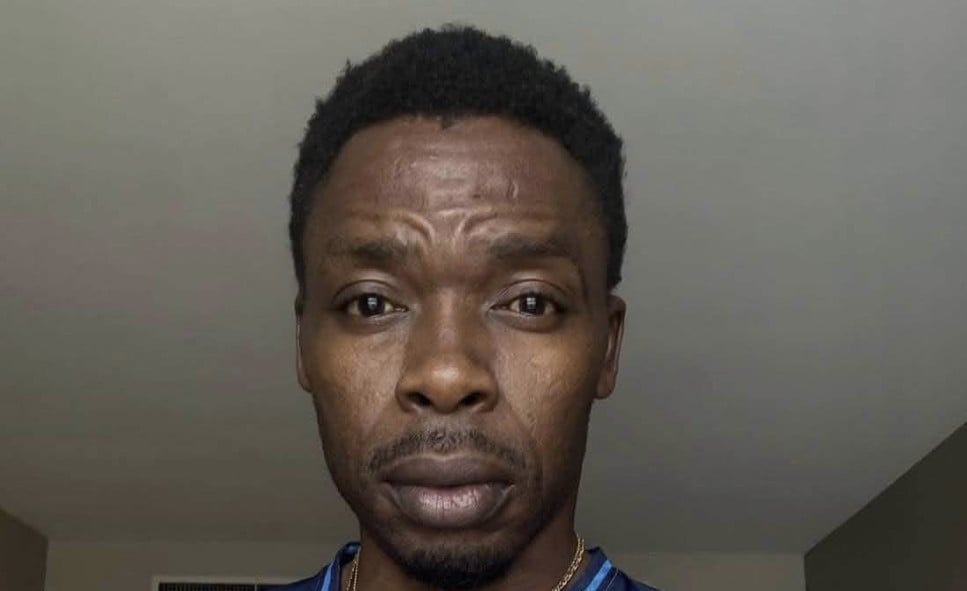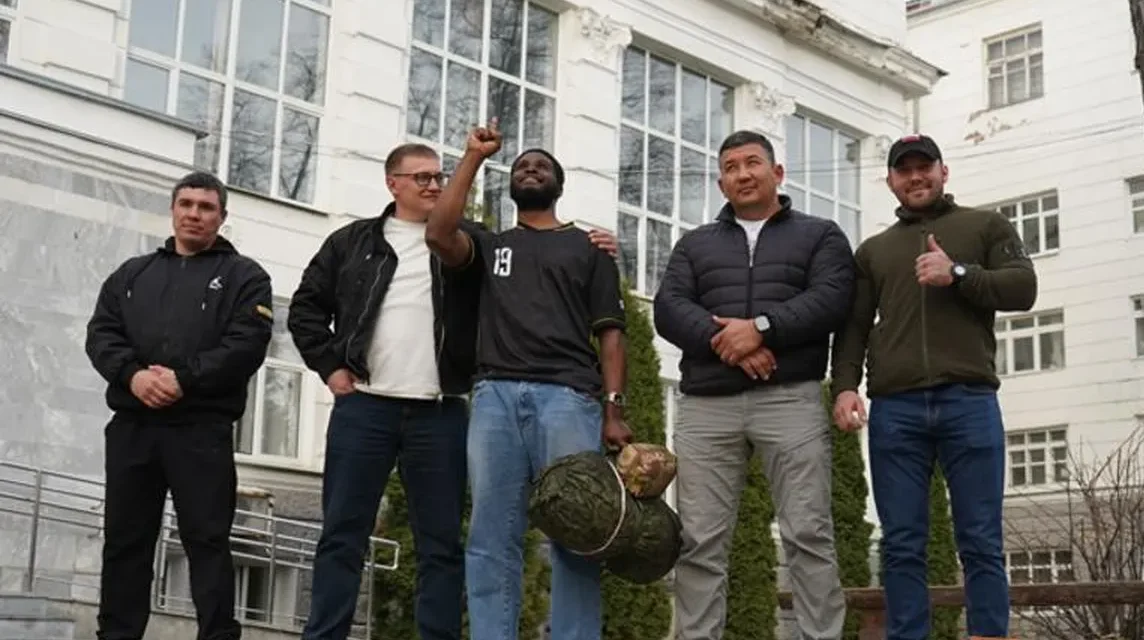
CameroonOnline.ORG | In recent years, the quiet, green campus of Ural State Forest Engineering University in Yekaterinburg had hosted students from across the globe. Among them was Belibi Belibi Albert Junior II Crist, a 29-year-old student from Cameroon.
Back home, Crist left behind his wife, Krista, and three young children. Like many foreign students venturing abroad for higher education, he carried ambitious dreams. He didn’t just want a degree—he hoped to gain the experience and stature needed to return to Cameroon one day and run for president.
Instead, his story came to a sudden end in the Russian city of Yaroslavl.
“Jesus Christ Told Me to Fight for Russia”
In the spring, Crist made a choice that shocked his peers: he signed a contract with the Russian Ministry of Defense to join its military forces. When asked about his motivation, he didn’t point to money or politics. He cited a religious vision.
“I am a Christian,” he reportedly explained. “My God, Jesus Christ, told me that I need to fight for Russia.”
Following his enlistment and initial training, Crist was deployed to an air defense unit located in Yaroslavl, roughly 250 kilometers northeast of Moscow.
A Fatal Drone Strike
While stationed with his unit, Crist was killed during a Ukrainian drone attack on the facility.
Official reports surrounding the incident remained quiet. Yaroslavl Region Governor Mikhail Evraev did not publicly mention an attack on a military training facility. His only social media update regarding casualties in that period noted a drone strike that killed one individual and injured four others—omitting any mention that the victim was a foreign service member.
Confirmation of his death eventually came through non-governmental channels and his university. Maxim Tomilov from the NGO Living Hearts and the university’s International Cooperation Department confirmed that military officials dispatched a death notification to his family in Cameroon, written in French.
Part of a Growing International Pipeline
Crist’s death is not an isolated incident, but part of a broader trend of foreign nationals joining the Russian military.
-
Scope of Recruitment: Reports estimate that tens of thousands of foreign recruits from dozens of countries—including many across Africa and Asia—have entered contracts with the Russian armed forces.
-
Vulnerable Targets: International students and migrant workers are often targeted by recruitment campaigns, lured by promises of fast-tracked citizenship, high salaries, or driven by personal convictions.
-
High-Risk Roles: Foreign recruits are frequently assigned to high-risk positions, ranging from air defense bases inside Russia that face frequent drone strikes to frontline combat units in active war zones.
For families thousands of miles away—like Crist’s wife and three children in Cameroon—these geopolitical realities end in personal grief, delivered in a official letter written in a foreign context.