Synopsis: Sastra Film CEO says Cambodia’s cinematic sector is advancing rapidly, but professional training and international expansion are vital for long-term competitiveness.
Cambodia’s film industry has made significant progress in production quality and market growth over the past five years, but continued investment in professional training, stronger storytelling and international market expansion is essential to sustaining its development and competing globally, an industry veteran said.
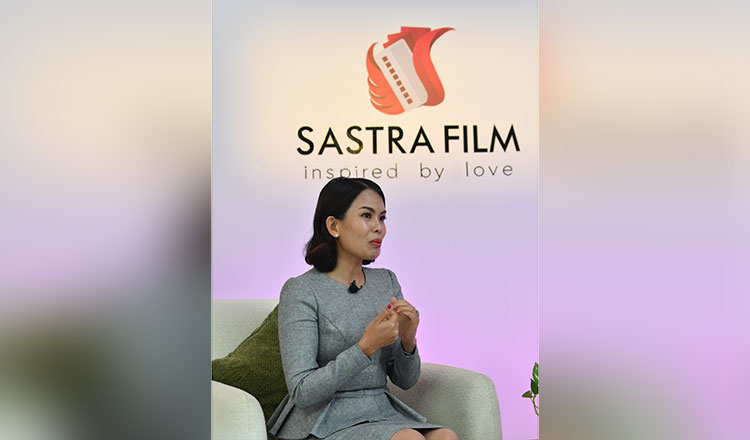
In a Khmer Times Cross-talk interview, Sastra Film founder and CEO Bun Channimol said production teams have gained valuable experience and improved skills through practical work, short-term training courses and online learning resources.
With greater access to the internet and platforms such as YouTube and Google, filmmakers now have more opportunities to develop technical knowledge and creative abilities. The growing volume of film production has also allowed industry professionals to gain hands-on experience and improve work quality.
Channimol said it is difficult to make broad comparisons between Cambodian and foreign directors, as filmmakers in every country had different levels of experience and expertise. While some foreign directors have produced outstanding films in Cambodia, others have delivered less impressive work.
She said the same is true of Cambodian directors, adding that production quality depend on the individuals involved, project nature and requirements.
One area requiring particular attention is casting, which Channimol identified as a major factor in determining whether a film feels convincing.
She said experienced directors generally understand how to select actors whose abilities and appearances suited characters. By contrast, inexperienced directors or inadequate casting decisions could result in awkward or unnatural performances.
The problem is not necessarily a lack of acting ability, but rather a mismatch between actor and character. An actor known for comedy, for example, might not be suitable for a demanding tragic role, even if popular with audiences.
Channimol noted the importance of conducting camera tests before filming to assess whether an actor’s appearance, acting ability and overall presentation match the character and story.
She added that casting decisions could sometimes be influenced by investors preferring popular or commercially attractive actors, believing their involvement would help box office performance.
However, popularity does not guarantee suitability for a role.
She said directors, producers and investors need to work together and agree on project requirements rather than placing responsibility on one individual.
The story itself is another important consideration. If a plot is too far removed from real life, audiences might struggle to find it believable, even with convincing performances.
Channimol said newcomers without formal acting qualifications can also succeed if they demonstrate natural talent and the right appearance. While professional training can help actors understand techniques and make production efficient, talented newcomers should undergo screen tests and training before filming.
Reflecting on cinematic history, Channimol said the country had enjoyed a golden age when films were recognised across Asia. However, years of war interrupted development.
She said the domestic film industry has since made a comeback, with improved production capabilities and growing public support for local films.
Rather than becoming discouraged by the past, she encouraged filmmakers to build on progress and work towards restoring Cambodia’s former standing in regional cinema.
To sustain progress, she identified two priorities: producing films meeting audience expectations and expanding into international markets.
She said production companies need to invest in cinematography, editing, casting and other technical aspects while placing equal focus on compelling storytelling. Stronger overseas connections could also attract investment and create local opportunities.
On professional kills, Channimol welcomed short-term training courses organised by the Department of Cinema. She also noted discussions about establishing a film university, saying Cambodia needs comprehensive educational institutions dedicated to the sector.
Addressing concerns about the large number of local horror films, Channimol said the genre does not diminish cinematic value as long as productions maintain professional standards.
Quality involves more than genre, encompassing filming, editing, sound design, casting and the viewing experience, she said.
Sastra Film produces family-oriented films and other genres, although horror productions often attract greater attention because of marketing appeal and lasting impact.
Channimol said horror films also have strong international potential because audiences in many countries enjoy excitement, suspense and thrills.
Drawing a comparison with roller-coaster rides, she said people willingly experience fear to release tension and emotions. Horror films offer a similar experience, allowing viewers to express feelings and relax.
She added that Cambodia has a history of horror-themed entertainment beyond cinema. Songs by singers such as Pen Ron and Ros Serey Sothea had explored supernatural themes, including spirits and folklore.
She recalled songs associated with Preay Bampe Kon and Preay Krala Phleung, reflecting the longstanding presence of ghost stories in popular culture.
Channimol said audiences across generations continue to enjoy supernatural and horror stories, although individual preferences vary. Some viewers prefer romance, while others favour adventure or horror.
For producers, the challenge is understanding different tastes and offering diverse content. She said companies need to identify target audiences and ensure productions appeal to intended viewers.
For filmmakers and aspiring professionals, Channimol highlighted the importance of continuous learning and human resource development.
She encouraged people wanting to work in the industry, whether as actors, cinematographers or in other production roles, to seek training opportunities.
Formal training could help actors develop professional foundations and make filming efficient, reducing time and costs. However, learning should not be limited to classrooms. Professionals could also improve skills through online lessons, studying successful films and gaining practical experience.
She also encouraged young people active on social media platforms such as TikTok to pursue professional training if they wish to develop careers in acting or cinematography.
Filmmaking, she said, requires creativity and an understanding of visual composition, not simply setting up a camera and recording. Aspiring filmmakers need determination to keep learning and improving their craft.
Channimol said Sastra Film currently prioritises actors with practical experience, including those taking smaller roles. Applicants graduating from the School of Fine Arts or completing professional courses are also given priority for camera tests.
However, formal qualifications alone do not guarantee selection. Final decisions depend on natural talent and character requirements.
Channimol acknowledged that some production companies have improved their technical capabilities, equipment and storytelling. Nevertheless, she said the industry needs to continue strengthening productions and broadening market reach to compete internationally.
She said sustained progress will depend on collective efforts, investment in skills and a strong focus on quality films for domestic and international audiences.