Cambodia Faces Energy Security Risks if Strait of | RSS.com
Observers in Cambodia are warning that any closure of the Strait of Hormuz could severely undermine the country’s energy security, as tensions escalate following nuclear and military strikes on Iran by the United States and Israel.
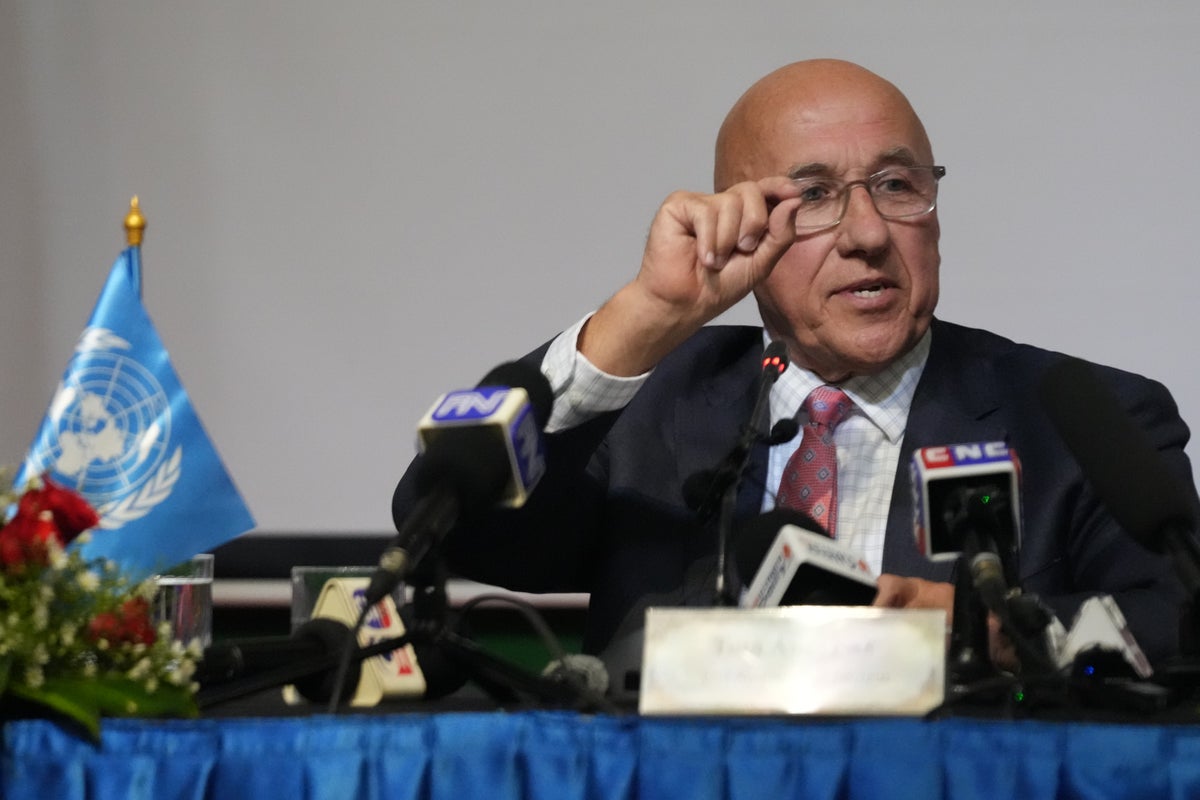
Writing on social media on March 3, geopolitical analyst Seng Vanly said Cambodia, which imports fuel from Singapore, Vietnam, and Indonesia, would come under immediate transport pressure long before supplies reach its ports.
Even though the OPEC Plus group agreed in April 2026 to increase oil production in an effort to stabilize global energy markets, Seng Vanly argued that the additional output would not be enough to offset major losses if the Strait of Hormuz remains shut.
Cambodia remains heavily dependent on imported fossil fuels for transport and industry. While the country has expanded renewable energy to 63 percent of total electricity capacity by the end of 2025, it still relies entirely on imported oil and gas to power vehicles, construction, and garment manufacturing.
In 2025, Cambodia spent more than 2.43 billion dollars on oil and gas imports. In January 2026 alone, spending reached nearly 220 million dollars, an increase of 1.6 percent compared with the same period last year, driven by rising diesel demand.
Seng Vanly warned that if global oil prices were to climb to 100 dollars per barrel for a sustained period, the impact could strain Cambodia’s 2026 national budget, which stands at more than 10 billion dollars. He estimated that between five and eight percent of the budget could be affected if the government were forced to introduce fuel subsidies.
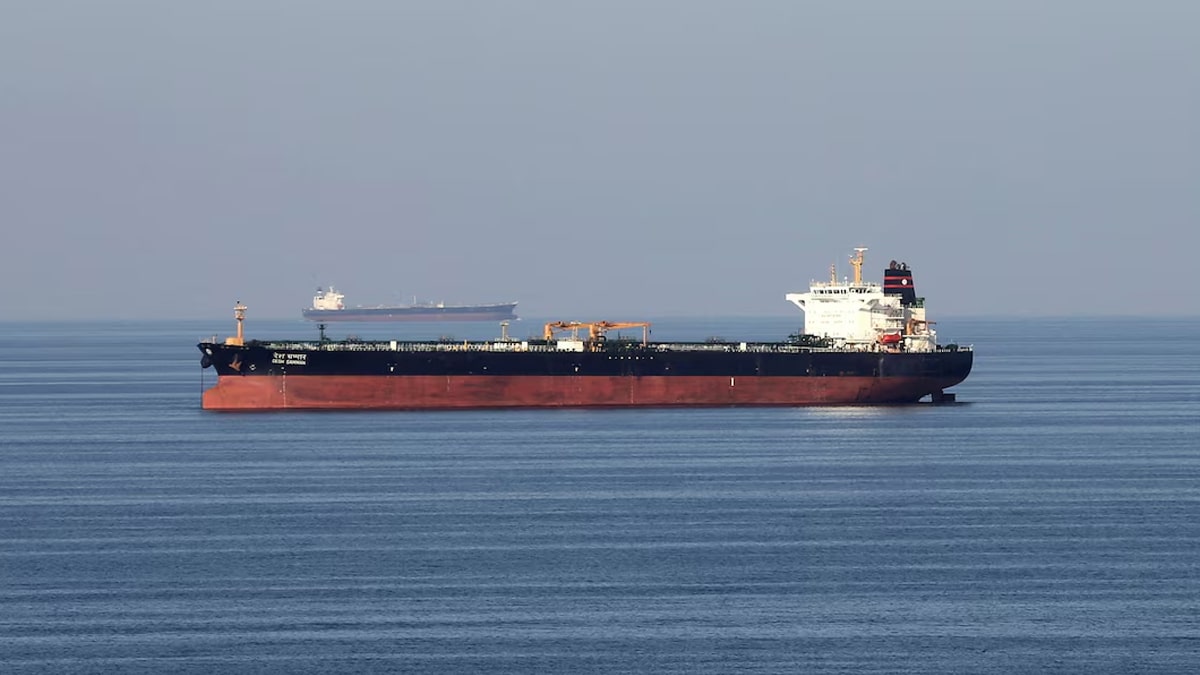
The Strait of Hormuz is one of the world’s most strategically important maritime chokepoints. It links the Persian Gulf with the Gulf of Oman, opening into the Arabian Sea and the Indian Ocean, and lies between Iran, the United Arab Emirates, and Oman.
Around 20 percent of the world’s crude oil and 25 percent of liquefied natural gas exports pass through the strait. Southeast Asia is particularly exposed, as more than 80 percent of oil shipments from Hormuz are destined for Asian markets, including China, India, Japan, South Korea, and Taiwan.
Analysts say the strait is not simply a shipping lane but a central lever in the global economy. Any disruption could trigger sharp price increases and widespread volatility in energy markets.
Meanwhile, Thailand has said it will resume fuel exports to Laos but with strict monitoring. According to Thai media outlet Khaosod, Royal Thai Army spokesperson Winthai Suvaree said on March 1, 2026, that Thailand would prohibit Laos from re-exporting fuel to Cambodia.
Winthai Suvaree added that fuel shipments to Laos would be closely tracked, including the use of GPS systems on tankers from origin to destination and tighter oversight of fuel distribution at depots within Laos.
The developments come after Cambodia’s General Department of Customs and Excise banned imports of vegetables, fruit, fuel, and gas from Thailand in July 2025. Senate President Hun Sen also announced a halt to imports of strategic goods from Thailand, including electricity, internet services, fuel, and gas, as well as a suspension of Thai film screenings.
As regional tensions rise, Cambodia finds itself navigating both global energy uncertainty and shifting dynamics with its neighbors.