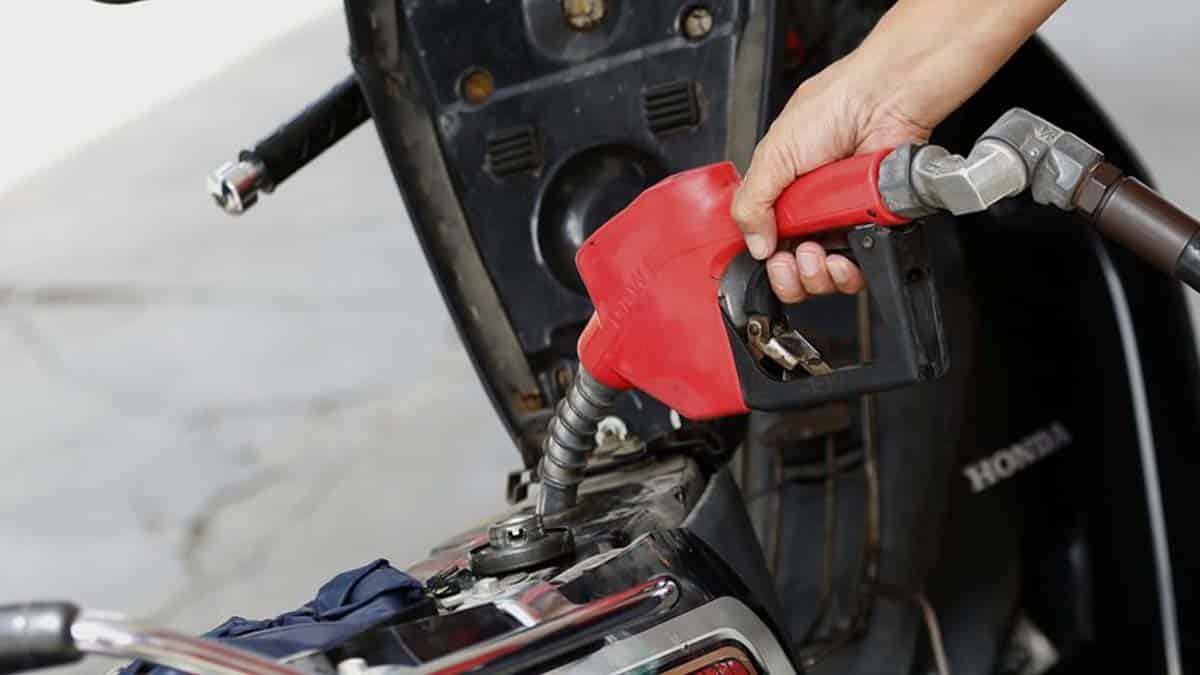
A regional geopolitical observer has criticised the continued rise in fuel prices in Cambodia, saying the increases are unjustified at a time when global oil prices are falling.
Seng Vanly, who monitors geopolitical developments in the Asia Pacific region, said the situation places an unfair burden on Cambodian citizens. Writing on Facebook on Thursday, Seng Vanly said gasoline prices in Cambodia rose again on March 11, describing the increase as unusually rapid.
He complained that while fuel prices appear to rise quickly, the minimum wage for workers moves far more slowly. In Cambodia, adjustments to the minimum wage typically require year-long negotiations before even small increases are approved.
According to Seng Vanly, these modest wage increases often fail to keep pace with the rising cost of goods and living expenses.
He added that the imbalance becomes more serious when systems of oversight and checks and balances within society are weak. At the same time, he said, demands for freedom of expression and better labour conditions face growing restrictions.
The social commentator argued that the situation reflects what he described as a failure by the state to play the role of a neutral arbiter in ensuring that economic benefits are distributed fairly. Without stronger oversight, he said, individuals risk being exposed to exploitation and uncontrolled price increases.
On the same day, geopolitical analyst Chey Tech also wrote on Facebook that he expects an explanation from the Ministry of Commerce regarding the latest increase in fuel prices.
The Ministry of Commerce announced on March 11 that retail fuel prices at petrol stations between March 11 and March 13, 2026, would be set at 5,200 riel per litre for gasoline and 6,050 riel per litre for diesel.
Meanwhile, the CAN news agency reported on March 10 that global crude oil prices had dropped sharply after previously rising above 110 dollars per barrel, the highest level seen in the past four years.
The decline followed comments by United States President Donald Trump on March 9, indicating that the war involving Iran could end in the near future.