A regional geopolitical analyst has criticised Cambodia’s new fuel pricing mechanism, saying it places additional pressure on ordinary households while opening opportunities for politically connected businesses to profit.
Seng Vanly, a researcher focusing on Asia Pacific geopolitics, said the government’s decision to adjust fuel prices every three days reflects what he described as a retreat from the state’s responsibility to protect household economic stability.
Writing on Facebook on Monday, Seng Vanly argued that the policy effectively pushes citizens to face the uncertainties of the free market without adequate safeguards.
He said the move also highlights the government’s limited ability to control inflation, even before the recent conflict in the Middle East. According to him, fuel prices in Cambodia have remained higher than those in neighbouring countries, partly because the government continues to rely heavily on high fuel taxes to support the national budget rather than seeking alternative revenue sources or reducing unnecessary administrative spending.
Seng Vanly said allowing prices to fluctuate so frequently could create opportunities for traders to raise the prices of goods whenever fuel costs increase. However, he warned that prices are unlikely to fall when fuel becomes cheaper, leaving low-income households to bear the economic burden.
He added that weak governance in the sector could lead to unfair competition and excessive profit-taking by large companies that have close ties to political figures. Such firms, he said, may operate with little fear of legal consequences or oversight from institutions responsible for consumer protection, market competition, and fraud prevention.
Seng Vanly also argued that the new mechanism appears to prioritise the profits of companies linked to political elites over the welfare of the public. He said the situation reflects the government’s failure to establish strategic fuel reserves that could help shield the country from global price volatility, something neighbouring countries have attempted to build.
The debate comes after tensions in global energy markets intensified following the outbreak of conflict between Iran, Israel, and the United States on February 28, 2026. Iran’s Revolutionary Guard subsequently closed the Strait of Hormuz, one of the world’s most important oil shipping routes, pushing global oil prices higher and creating instability in energy markets.
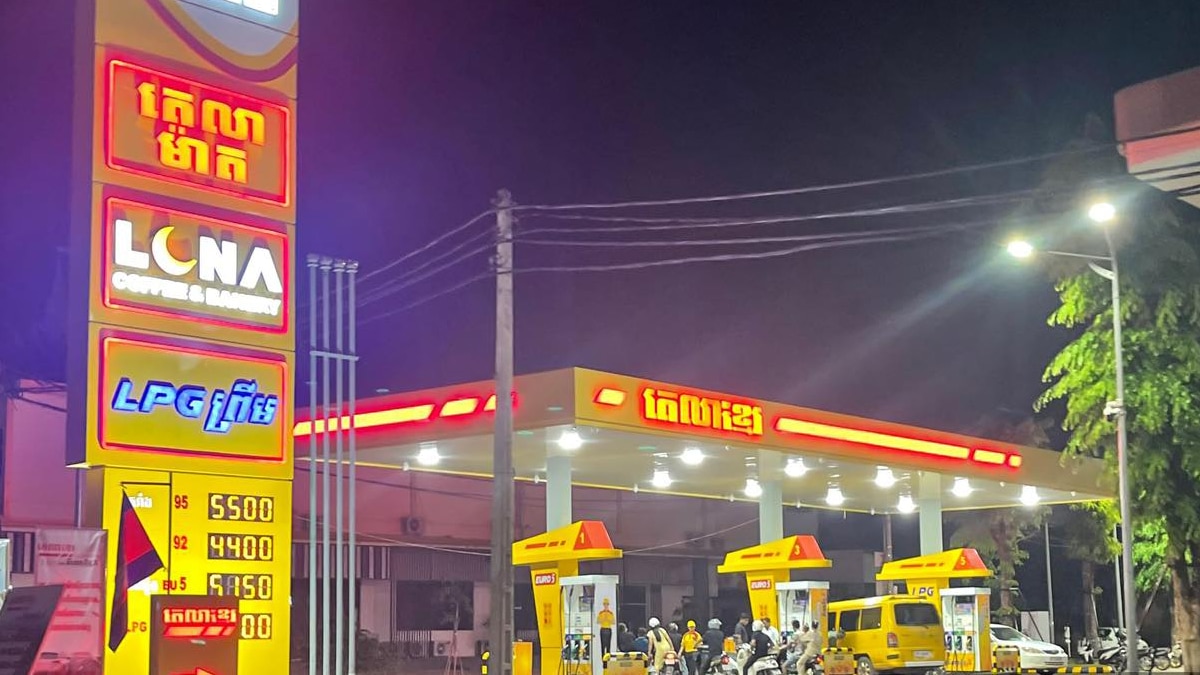
In Cambodia, the Ministry of Commerce announced on March 1 that retail fuel prices would be set at 3,850 riel per litre for both gasoline and diesel between March 1 and March 10.
However, on March 8, the ministry issued a new notice setting the price of gasoline at 4,400 riel per litre and diesel at 5,150 riel per litre, despite the earlier announcement still being in effect.
Observers noted that the second notice appeared to contradict the earlier pricing announcement issued just one week before.
Commenting on the broader energy situation, geopolitical and economic development analyst Chey Tech said the government could consider temporary measures to reduce fuel consumption. These might include shortening the working week for civil servants, as seen in the Philippines, or allowing more officials to work remotely.
He also suggested that Cambodia diversify its oil import sources, including exploring supplies from major energy producers such as Russia.