Brunei Darussalam’s ability to deliver specialised healthcare closer to home has reached an important milestone, with the country’s liver transplant programme successfully completing 10 adult living donor liver transplants since its establishment in February 2025.
Led by the Ministry of Health (MOH) in collaboration with Jerudong Park Medical Centre (JPMC), the programme brings together local healthcare professionals and visiting specialists to provide patients with access to complex liver transplant procedures without having to seek treatment overseas.
The milestone reflects the growing capabilities of Brunei’s healthcare system, the development of local medical expertise and the importance of a coordinated approach involving patients, donors, families and multidisciplinary medical teams.
Image: Azrina Zin
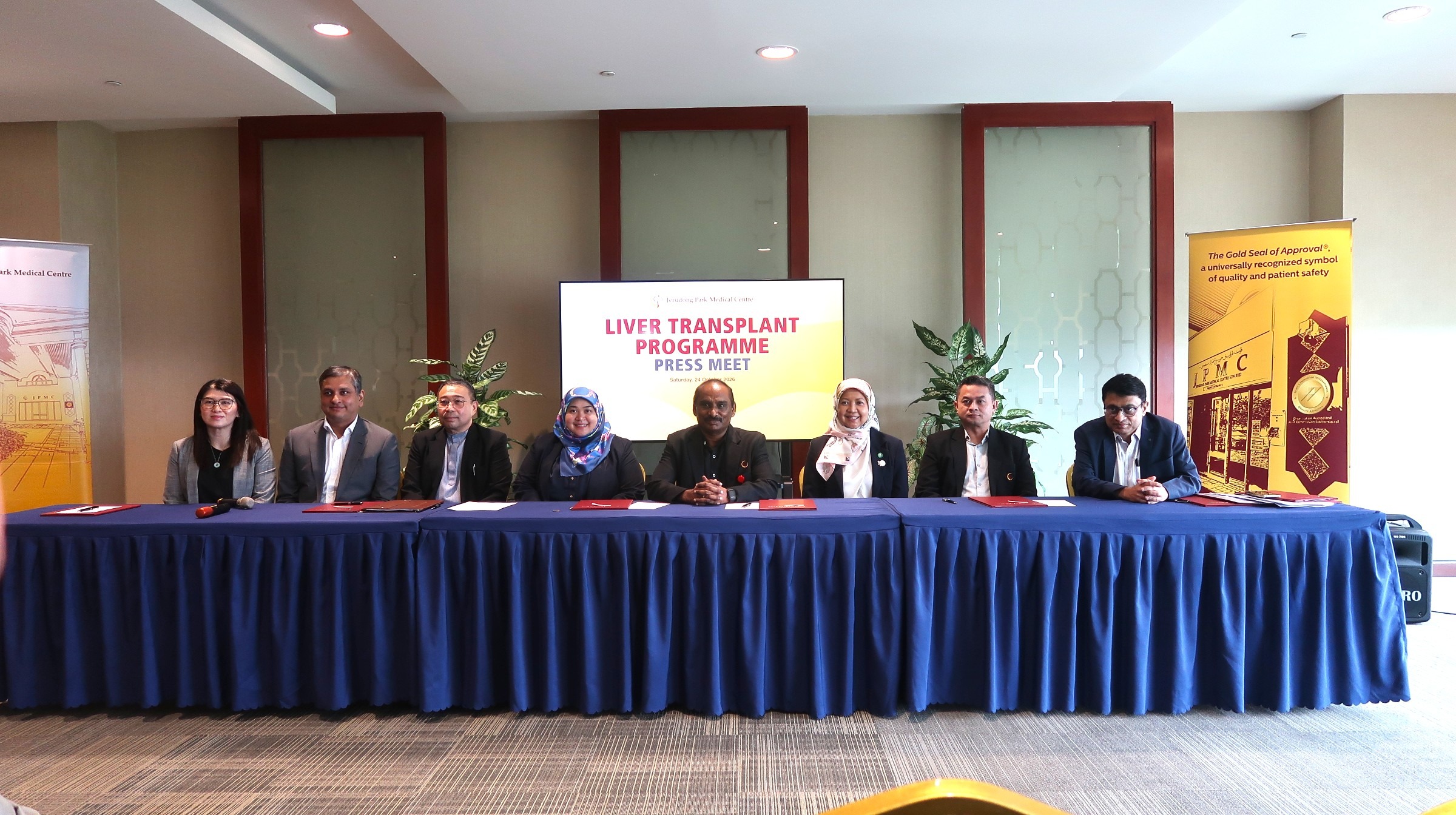
At a Liver Transplant Programme Press Conference, healthcare leaders and clinicians highlighted the collaboration and clinical expertise behind the programme, which covers the entire transplant journey, from recipient and donor assessments to surgery, postoperative care and long-term follow-up.
Director General of Medical and Health Services at the Ministry of Health Pg Dr Haji Md Khalifah Pg Haji Ismail said that the programme reflects the value of collaboration between MOH, JPMC and the specialist teams involved in making highly specialised treatment available locally.
Image: Azrina Zin
He said the partnership also provides opportunities for Bruneian healthcare professionals to contribute to complex medical procedures while developing the clinical capabilities needed to sustain the service.
The priority, he added, is to build the programme responsibly, with the welfare of both recipients and donors remaining central to its development.
Bringing specialised treatment closer to home
For patients living with advanced liver disease, access to transplantation can be life-changing. However, travelling overseas for such treatment can present additional challenges, particularly for those whose medical conditions make long-distance travel difficult.
lead of the Liver Transplant Programme Dr Taufique Ahmed said that an estimated 60 to 70 per cent of patients who have undergone transplants in Brunei would previously have been unable to receive the treatment because they were too unwell to travel overseas or faced other clinical challenges.
Before the establishment of the local programme, the Ministry of Health typically facilitated only one or two liver transplant cases overseas each year.
Image: Azrina Zin
The introduction of the programme has therefore expanded access to treatment for suitably selected patients, allowing them to undergo surgery and receive continuing care closer to their families and support networks.
Local treatment also helps ease the practical demands associated with overseas medical care, including travel and accommodation expenses, as well as extended periods away from home.
A living donor liver transplant is made possible by the liver’s remarkable ability to regenerate. During the procedure, a portion of a healthy donor’s liver is surgically removed and transplanted into the recipient to replace their diseased liver.
Over the following months, the remaining portion of the donor’s liver and the transplanted portion in the recipient grow towards their normal size and resume their respective functions.
However, the procedure requires extensive medical assessments to establish whether a recipient is fit for surgery and whether a potential donor can safely undergo the operation. The decision to donate must also be voluntary, with careful consideration given to the donor’s physical and personal circumstances.
Behind every transplant is a multidisciplinary team working across different areas of medicine, reflecting the level of coordination required to deliver such a specialised service.
The programme draws on expertise in surgery, hepatology, anaesthesia, intensive care, radiology, pathology, infectious diseases, pharmacy, nursing and allied health services.
Image: Azrina Zin
JPMC supports the programme through its facilities, clinical services and multidisciplinary teams, working alongside MOH colleagues and visiting specialists.
Importantly, Bruneian doctors are taking an active role in the surgical team, gaining practical experience through shared clinical practice with visiting transplant specialists.
Visiting Consultant Hepatobiliary and Liver Transplant Surgeon Dr P Balachandran Menon works alongside local surgeons, including Dr Amy Thien, Consultant General Surgeon, as part of efforts to strengthen local surgical capabilities.
Image: Azrina Zin
Highlighting her contribution, Dr Menon said Dr Amy was a valued member of the surgical team, adding that her involvement demonstrated the expertise Bruneian doctors bring to the programme.
“Liver transplantation depends on close collaboration across many disciplines. Working together strengthens the collective experience needed to develop and sustain transplant care here in Brunei,” he said.
The involvement of local healthcare professionals extends beyond the operating theatre, with teams contributing to patient and donor assessments, surgical preparation, postoperative management and continuing follow-up.
Acting Chief Medical Officer of JPMC, Dr Pg Siti Nur’ashikin Pg Dato Paduka Hj Tengah said the programme requires careful assessment, close coordination between teams and continued follow-up for both recipients and donors.
“Helping patients and families understand each stage of the process is an important part of building confidence in the care available here in Brunei,” she shared.
The other side of the transplant journey
While the recipient’s recovery is an important part of every transplant, the experience of living donors is equally significant.
For Kimmy, 39, donating part of her liver to her 60-year-old father, Mr Liu was a major personal decision that involved careful consideration, medical assessments and the support of her family.
Before the operation, Kimmy and her siblings underwent medical evaluations to determine who would be the most suitable donor. The process involved comprehensive health checks and discussions to ensure that the decision was made voluntarily.
Image: Azrina Zin
The assessments also considered the personal circumstances of potential donors, including whether they had sufficient family support throughout their recovery.
Reflecting on her experience, Kimmy shared that the recovery process was challenging, particularly during the initial days following surgery.
“Recovery was not easy, especially during the first two days, but we got through it with the care and support of my family and the medical team.
“The experience made me realise how important support is, not just for the patient but also for the donor. I am truly grateful to everyone who supported both my father and me throughout this journey.”
Her experience has also shaped her perspective on living liver donation, particularly the importance of understanding the risks and making an informed decision.
“My advice to anyone considering becoming a living liver donor is to understand the risks, ask the doctors questions and make sure you have good family support. Most importantly, the decision must be your own and not made because someone is pressuring you,” she said.
“I would not want to encourage someone to donate without considering their own circumstances. It is a personal decision that each individual must make for themselves.”
Her account highlights an important aspect of living donor transplantation: while the procedure offers recipients an opportunity for treatment, the donor’s health, welfare and willingness must remain equally important throughout the process.
With 10 adult living donor liver transplants successfully completed, Brunei’s programme is continuing to build its capabilities through collaboration, shared clinical experience and the development of local expertise.
Its progress represents more than the introduction of a specialised medical procedure. It also reflects the collective efforts of healthcare professionals, the commitment of living donors and the support of families who form an essential part of the transplant journey.
As the programme develops, maintaining the quality, safety and continuity of care for both recipients and donors will remain central to its work.
For patients who once faced the prospect of travelling abroad for treatment, the availability of liver transplantation in Brunei offers another possibility: receiving specialised care within their own country, surrounded by the people who matter most.
The programme was also preparing for its 11th transplant, scheduled for 25 October 2026, subject to final clinical assessment. The upcoming procedure marks another step in the programme’s continued development as Brunei works to strengthen its local expertise and capacity to provide specialised liver transplant care.
THE BRUNEIAN | BANDAR SERI BEGAWAN