Key Points
- Uruguay has been accepted to start joining a major Pacific trade pact that could open valuable markets.
- Behind the good news, growth is stuck near 2% while high prices, weak confidence and port troubles weigh on the outlook.
- The pact will matter only if Uruguay cuts red tape and avoids new taxes that scare long-term investors.
Uruguay presents itself as a safe, predictable corner of South America, but behind that image the economy is losing speed and the country has quietly become one of the most expensive in the region.
Economist Ignacio Munyo, head of the Ceres think tank, expects growth of about 2% this year and no clear acceleration in 2026. Consumer confidence is at its lowest in two and a half years.
Big projects such as green hydrogen, data centres and offshore oil exploration with Argentina’s YPF are years away from changing the picture; any oil windfall would arrive from 2027.
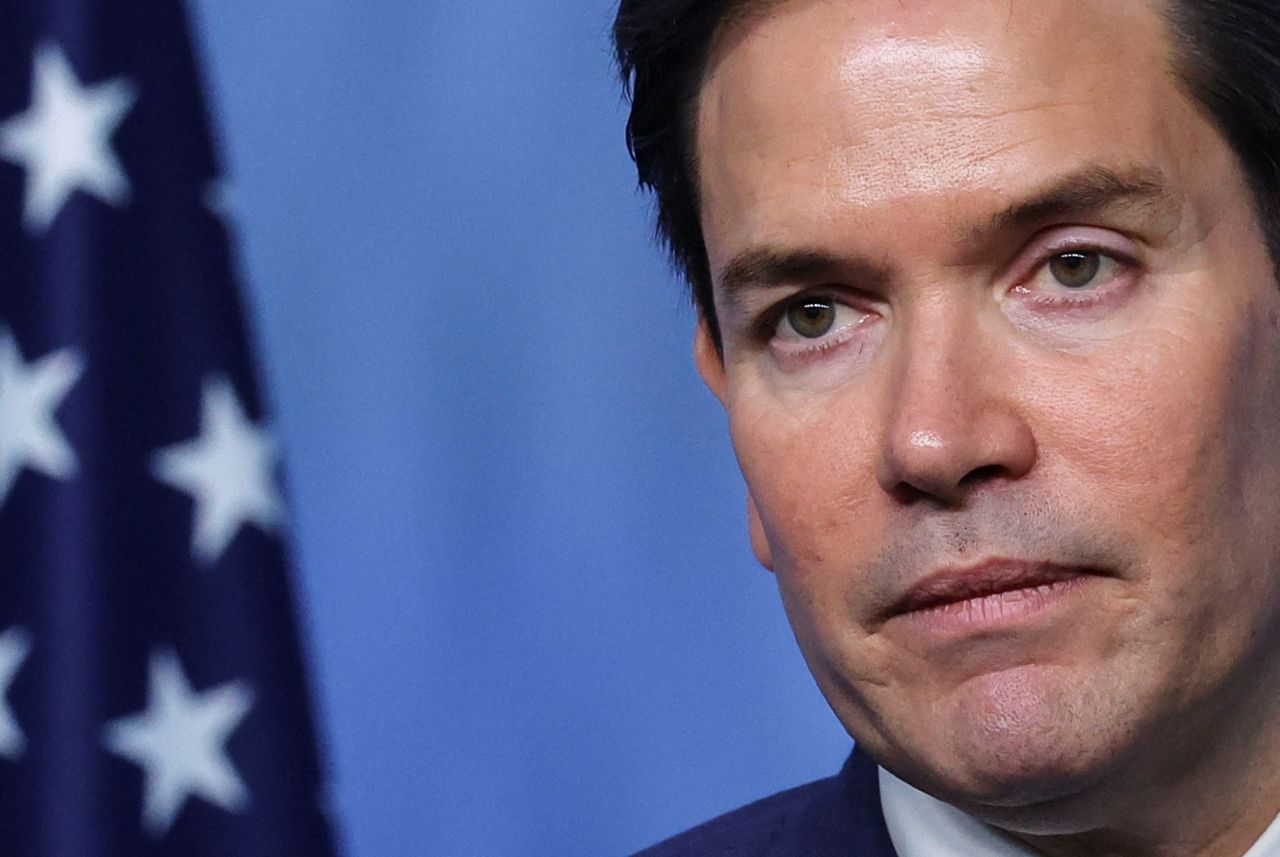
Uruguay’s High-Cost Trap And The Pacific Exit Door. (Photo Internet reproduction)
Ceres estimates Uruguay is about 16% more expensive than the United States and over 30% more than China, and also pricier than Brazil. For residents that means high living costs; for exporters it means thin margins and constant pressure from lower-cost rivals.
Shocks at the Port of Montevideo show how exposed that position is. In a “black October”, container traffic dropped by about 40%, bringing delays and complaints from companies that rely on Uruguay as a regional hub.
Uruguay’s CPTPP Bid Tests Domestic Tax and Rule Reforms
At the same time, the latest budget added a Domestic Complementary Minimum Tax that lifts the effective rate on the largest multinationals to 15%.
Officials say this aligns with global rules, but many executives see shifting goalposts in a small market that must compete hard for every dollar of investment.
This is the setting for Uruguay’s bid to enter the Trans-Pacific CPTPP pact. On paper, membership would unlock better access for beef, dairy and services in Asian and North American markets.
The deeper question is whether Uruguay will match that external opening with simpler, more predictable rules at home.
If it trims lobby-driven protections and needless bureaucracy, the pact could help the country escape its high-cost trap and turn its reputation for stability into faster growth.