Key Points
- U.S. forces struck ISIS targets across Syria on January 10, 2026, extending a retaliation campaign after a deadly Palmyra attack.
- Operation Hawkeye Strike began on December 19 with more than 70 ISIS targets hit using over 100 precision munitions, with Jordan flying in support.
- The campaign overlaps with Syria’s post–Assad reset, while about 1,000 U.S. troops remain on the ground.
On December 13, 2025, a U.S. counterterror operation near Palmyra turned deadly. Two American soldiers and a U.S. civilian interpreter were killed. The dead were identified as Sgt.
Edgar Brian Torres-Tovar and Sgt. William Nathaniel Howard (Iowa National Guard), and interpreter Ayad Mansoor Sakat. Washington blamed ISIS-linked militants and vowed “great damage” for those responsible.
On December 19, U.S. Central Command announced Operation Hawkeye Strike. It said coalition aircraft hit more than 70 ISIS targets across central Syria with more than 100 precision-guided munitions.
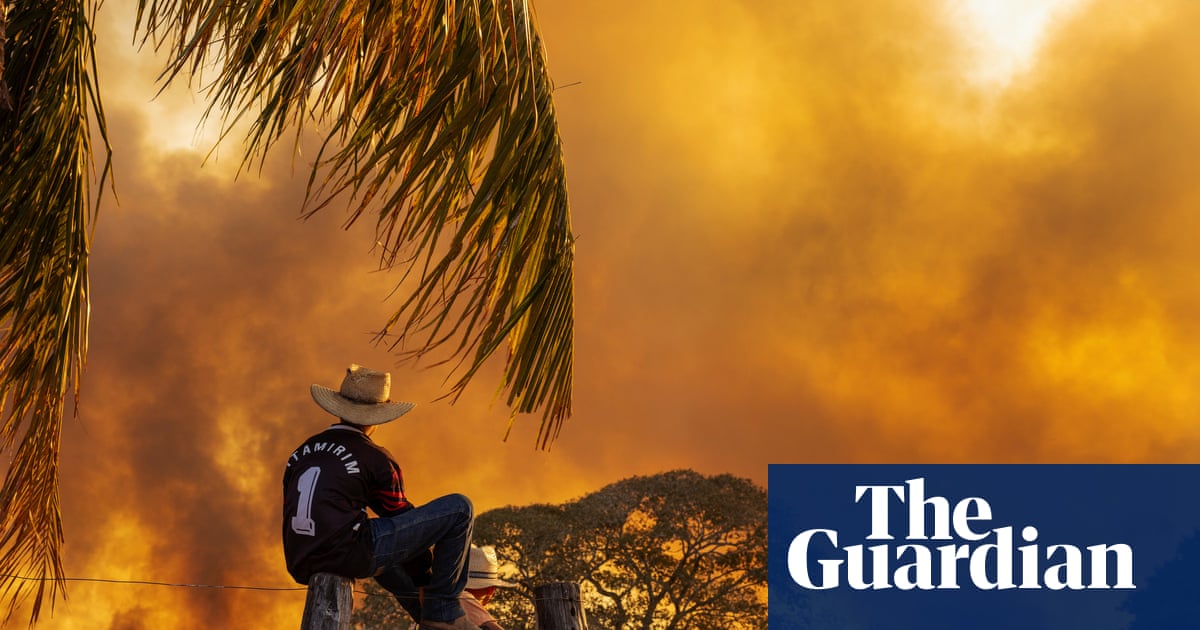
U.S. Hits ISIS Targets Across Syria After Deadly Palmyra Attack. (Photo Internet reproduction)
Jordan joined with fighter jets, signaling partners are invested in keeping ISIS from rebuilding. After that opening blow, the coalition said it kept up the pressure.
U.S. and partner forces reported 10 follow-on operations across Syria and Iraq that left 23 ISIS operatives killed or detained. Separate coalition reporting said missions from December 20–29 killed seven ISIS members and captured 18 more.
Saturday’s strikes, on January 10, 2026, were described again as “large-scale,” but with fewer specifics. Reports placed the start at about 12:30 p.m. U.S. Eastern time.
Jordan participated again, including F-16s. The strike package involved multiple aircraft types and more than 90 munitions. Officials did not release a casualty count or a list of locations hit.
The story behind the strikes is that the battlefield is changing. With Bashar al-Assad no longer in power, U.S. envoy Tom Barrack said he met officials in Damascus to discuss recent events and Syria’s “path forward.”
That matters because airstrikes depend on intelligence sharing and access on the ground.
For readers abroad, the lesson is direct: ISIS is degraded, but not gone, and a single ambush can trigger weeks of raids and airpower.