Key Points
- Lula says global rules are being replaced by “the law of the strongest,” with the UN Charter under strain.
- Trump’s proposed “Board of Peace” is framed as a fast-acting club, with talk of a US$1 billion permanent seat.
- Europe is wary, China echoes UN primacy, and Brazil is pushing a counter-mobilization for multilateral legitimacy.
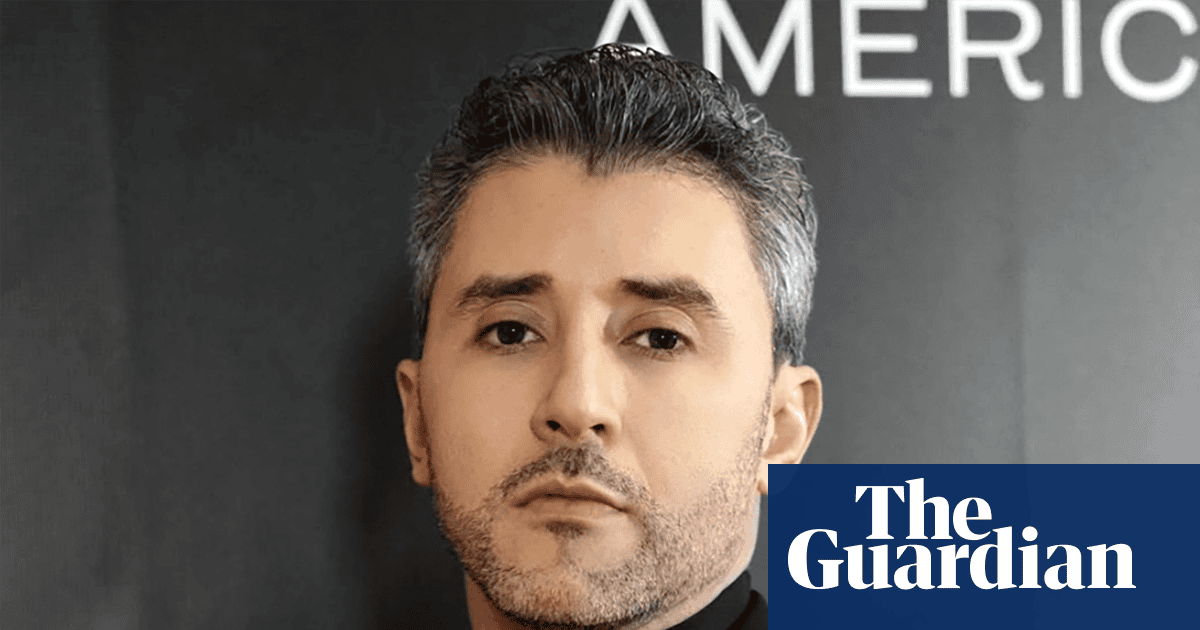
Brazil’s President Luiz Inácio Lula da Silva is casting President Donald Trump’s proposed “Board of Peace” as more than a new diplomatic tool.
In Lula’s telling, it is a signal that global decision-making is shifting away from institutions and toward personalities, money, and raw leverage.
Speaking at an event of the Landless Workers’ Movement (MST) in Salvador, Bahia, Lula said the world is in a “very critical” political moment.
He argued that multilateralism is being discarded in favor of unilateral power, and that the UN Charter is being “torn up.”
The message was blunt: when rules weaken, the strongest actor writes the outcome.
Trump’s “Board of Peace” Meets Brazil’s Pushback Over Who Runs World Diplomacy
Trump’s “Board of Peace” Meets Brazil’s Pushback Over Who Runs World Diplomacy
Lula’s target was Trump’s newly announced initiative, also described as a “Peace Council” in some accounts.
Trump presented it around the Davos week as a mechanism to manage major conflicts and post-war arrangements, starting with Gaza.
The pitch is speed and control, including oversight of ceasefire enforcement and the shape of temporary governance and reconstruction.
But the design is what alarms critics. Reporting around the plan has described Trump as chair and included talk of a US$1 billion fee for a permanent seat.
That pricing idea, even if still fluid, would turn global peacemaking into a membership model. It also risks creating a rival power center beside the UN, rather than inside it.
European skepticism surfaced quickly. Spain’s Prime Minister Pedro Sánchez publicly rejected participation, citing legitimacy concerns outside the UN framework.
Canada also became a cautionary example after Trump withdrew its invitation following a Davos clash.
Unlike Brazil, Argentina and Paraguay signed on in Davos as founding members of Trump’s “Board of Peace.”
Lula tied the moment to Brazil’s long campaign to reform, not replace, the UN. He again defended expanding the Security Council to include new countries, including Brazil, Mexico, and African states.
He also warned that Brazil must stay alert this year, with presidential elections in October and democratic pressures rising worldwide.
Behind the scenes, Lula has been working the phones. China’s leader, Xi Jinping, has echoed the need to protect the UN’s central role.
For Brazil, the stakes are simple: if ad hoc clubs replace universal rules, mid-sized powers pay more for less influence.