UNITED STATES · ELECTIONS
Key Facts
—Primetime disclosure: Trump declassified documents he says reveal “shocking vulnerabilities” in US elections, and said they are posted at WhiteHouse.gov.
—China claim: The files allege China illicitly acquired about 220 million US voter records, and that a “deep state” buried the finding from the president and the public.
—Machine flaws: Intelligence assessments state that adversaries — “at a minimum Russia, China, Iran, North Korea” — have the capability to compromise US election infrastructure.
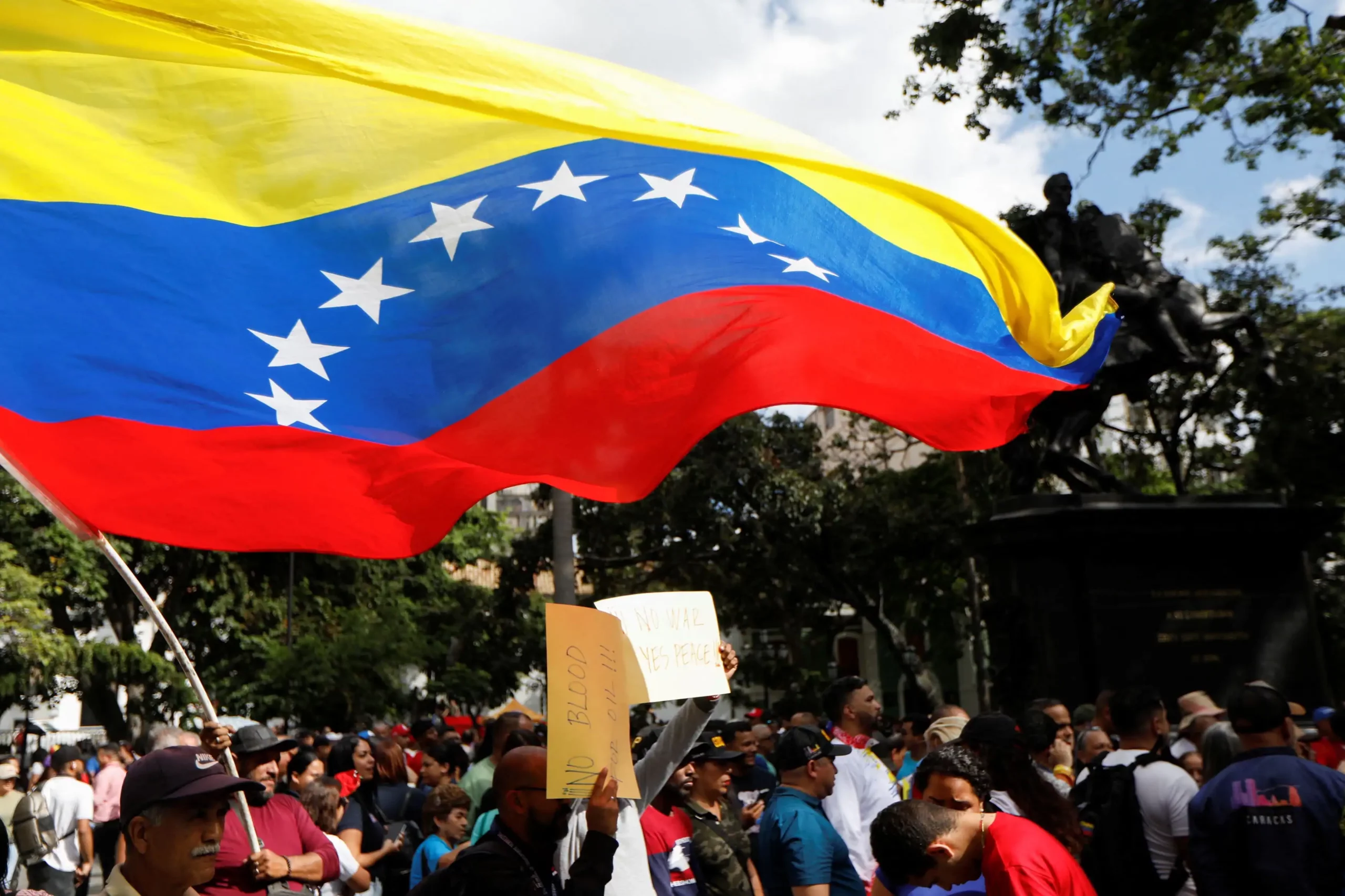
—Venezuela: A CIA report Trump cited concerns a plot to digitally rig Venezuela’s own 2020 vote in ways an audit “could not detect.”
—Fraud files: FBI material on a Michigan registration case, and a DHS review flagging roughly 278,000 noncitizens on voter rolls.
—The demand: Trump pressed Congress to pass the SAVE America Act — photo ID, proof of citizenship, and curbs on mail-in ballots.
—The rebuttal: The intelligence community’s own prior assessment found no evidence any votes were changed in 2020, 2022 or 2024.
President Trump used a primetime address to declassify intelligence he says exposes “shocking vulnerabilities” in US elections, alleging China stole 220 million voter files, as he pressed Congress to pass the SAVE America Act.
President Trump used a primetime address to declassify intelligence he says exposes vulnerabilities in US elections. (Photo: Internet reproduction)
One-stop reference
Company Intelligence
Every listed company in Latin America — financials, ownership and structure for 1,450+ companies across 26 exchanges, in one place.
Browse the directory →RTAsk Rio TimesWhat this means, and what’s next›
What Trump announced
In a roughly 25-minute primetime address on July 16, Trump ordered the “immediate declassification” of intelligence that, in his telling, exposes “shocking vulnerabilities” in the US election system.
The material covers five areas, he said, and is posted for the public at WhiteHouse.gov.
The White House said the files were assembled by a Government Transparency Task Force and staff of the President’s Intelligence Advisory Board, and that senior intelligence chiefs had reviewed and confirmed their authenticity.
The centerpiece is a claim that China carried out “the largest compromise of election data in history,” illicitly acquiring roughly 220 million US voter files.
He alleged that a “deep state” inside the intelligence agencies buried the finding from both the president and the public, and asked the DNI, the Justice Department, the FBI and the CIA to investigate and, where warranted, prosecute.
Trump also pointed to assessments stating that adversaries — “at a minimum Russia, China, Iran, North Korea” — have the capability to compromise US election infrastructure, and to a CIA report on a plot to digitally rig Venezuela’s own 2020 vote in ways an audit “could not detect.”
Two further items involved alleged fraud: FBI files on a Michigan voter-registration case, and a Department of Homeland Security review that flagged about 278,000 noncitizens on the rolls.
What the documents do — and don’t — show
The disclosure is significant, but its meaning is sharply contested.
Independent reviewers of the files say a large share restates vulnerabilities that have been public and understood for years, and that election officials have worked to address.
Crucially, the US intelligence community’s own prior assessment found no evidence that China, or anyone, actually altered votes in 2020, 2022 or 2024.
Trump’s underlying charge that the 2020 result was fraudulent has been tested repeatedly. Roughly 60 court cases were dismissed, many by judges he had appointed, and a Republican-commissioned review in Arizona ultimately affirmed Joe Biden’s win in the state.
Reporters who examined the release noted that several documents appear to cut against Trump’s framing, and that at least one CIA file concerns Venezuela’s election rather than America’s.
The phrase he attacked — that 2020 was “the most secure election in history” — originally came from his own first-term cybersecurity chief, Chris Krebs, whom he later fired.
The 220-million-file claim also sits awkwardly with the fact that US voter rolls are largely public and commercially available, so possessing them is not the same as the power to cast fraudulent votes.
On the noncitizen figure, past state reviews have found such tallies shrink sharply once names are checked against official records. Courts have also blocked mass roll purges close to an election for sweeping up eligible voters.
Security researchers add the key nuance: voting machines do have real, demonstrated weaknesses in laboratory testing, but a lab flaw is not evidence that any live election was changed.
The push for the SAVE America Act
The address doubled as a campaign for legislation.
Trump demanded that Congress pass the SAVE America Act, which would require photo voter ID, proof of citizenship to register, and sharp limits on mail-in ballots.
He framed opposition as an admission of intent to cheat, and urged Americans to phone their representatives to demand its passage.
The bill faces long odds, lacking the votes in the Senate and drawing firm Democratic opposition, and the timing points to November’s midterms, when Republican majorities are on the line.
A version of the citizenship-check requirement has passed the House before without becoming law, and the clash over it has hardened into a defining partisan divide.
How it landed
The rollout was unusual in its reception.
Trump said NBC and ABC declined to carry the speech live, which he cast as complicity; the networks have not publicly detailed their reasoning.
Conservative outlets treated the release as a major disclosure, while critics called it a repackaging of claims that courts and audits have already rejected.
Election officials from both parties have long argued the systems are more resilient than the rhetoric suggests, while agreeing that paper records and audits are the real safeguard.
The effects will not stay inside US borders, because the same argument about whether voters can trust their machines is already central to politics in Brazil, which votes soon and runs the world’s largest fully electronic, paperless system.
Frequently asked questions
What did Trump declassify?
Intelligence he says shows “shocking vulnerabilities” in US elections, including an alleged Chinese theft of 220 million voter files. He said the documents are posted at WhiteHouse.gov.
Do the documents prove the 2020 election was stolen?
No. The US intelligence community’s own assessment found no evidence that any votes were changed in 2020, 2022 or 2024, and much of the material restates long-known vulnerabilities.
What is the SAVE America Act?
A bill Trump is pressing that would require photo voter ID, proof of citizenship to register, and tight limits on mail-in ballots. It faces long odds in the Senate.
Where can the documents be seen?
Trump said they are posted publicly on the White House website, at WhiteHouse.gov.
Read More from The Rio Times
The Rio Times · Power Map
See who really holds power in Latin America
Click to open the Power Map →