Trade
Key Facts
—First deadline. A Section 232 critical-minerals negotiation is due to report by July 13, and could later add copper to a tariff list.
—Second deadline. A blanket 10% tariff on most countries is set to expire around July 24, after which Washington’s next move is unclear.
—The carve-out. The headline copper tariff hits semi-finished and derivative goods, not the ore, concentrates and cathodes Peru mainly ships.
—The shield. The United States-Peru trade pact, in force since 2009, keeps most Peruvian copper and gold duty-free.
—The stakes. Peru is the world’s third-largest copper producer, and mining drove a record first quarter of nearly $27bn in exports.
Two dates on Washington’s calendar this month will test Peru’s record Peru export run, yet the headline copper tariff that alarmed markets barely touches the metal at the heart of its economy.
Two July Deadlines in Washington Will Test Peru’s Record Export Run. (Photo Internet reproduction)RTAsk Rio TimesCost of living, safety, visas across Latin America›
Peru is having a remarkable year at the docks. Exports hit a record of about twenty-seven billion dollars in the first quarter, driven by a roughly fifty per cent jump in mineral sales as copper and gold prices ran hot.
That success rests on selling metal to a hungry world, which is exactly why American trade policy matters so much. Two separate deadlines in July could change the terms on which Peru sells into its second-largest market.
Why the copper tariff mostly misses Peru export flows
The fear was understandable: when Washington placed a fifty per cent tariff on copper last year, headlines suggested a body blow to a country that lives on the metal. The detail tells a gentler story.
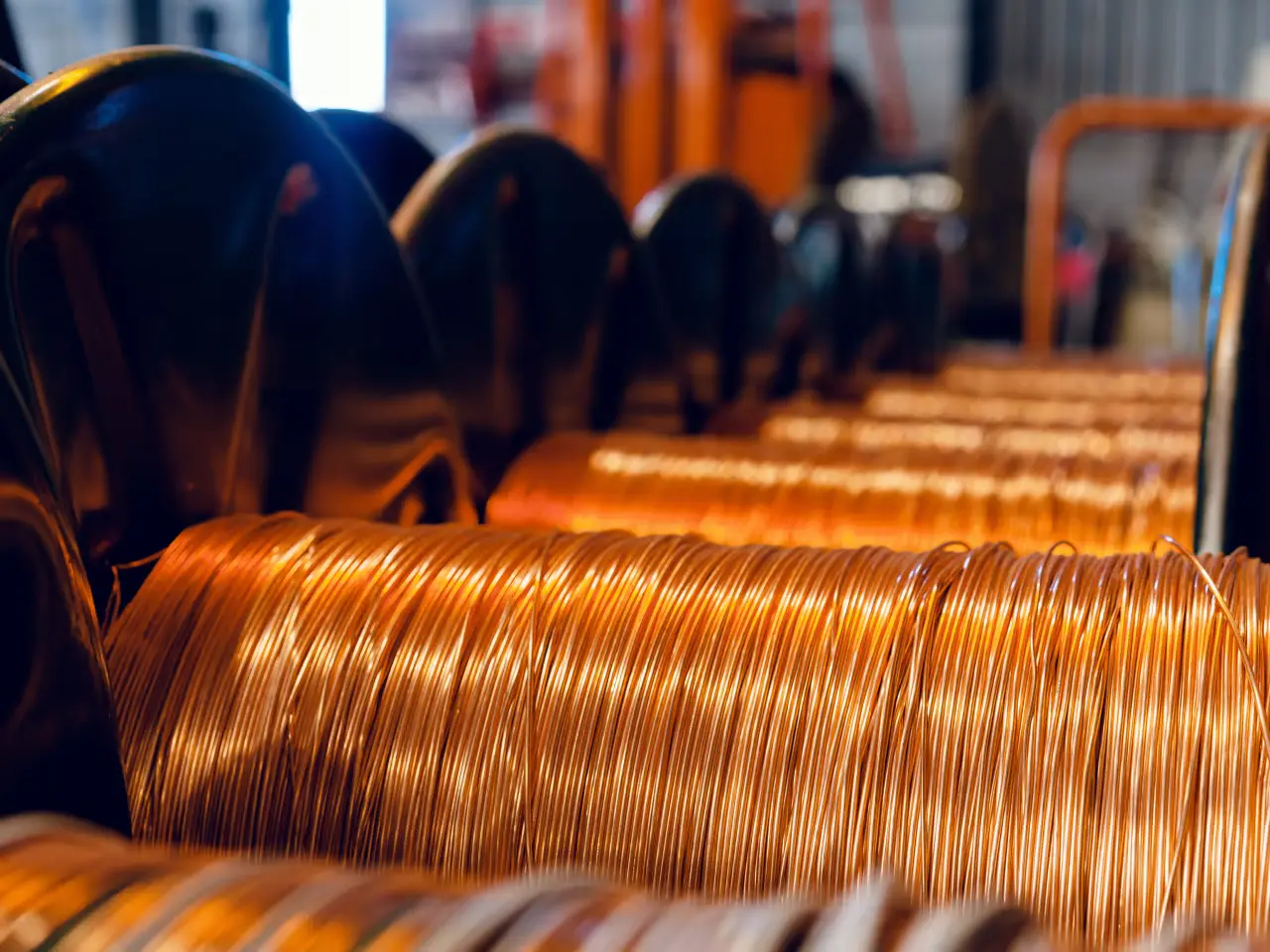
The tariff falls on semi-finished copper products and copper-heavy manufactured goods, things like pipes, wires and cables. It explicitly leaves out raw ore, concentrates and cathodes, which are the forms Peru mostly ships.
On top of that, a trade agreement between the United States and Peru, in force since two thousand and nine, already lets most Peruvian copper and gold enter duty-free. The combined effect is that only a small slice of Peru’s copper exports faces the new charge.
The two dates that actually matter
The real watch-points are procedural. The first is around the thirteenth of July, when a negotiation on processed critical minerals is due to report, a process that could eventually pull copper onto a new tariff list if talks stall.
The second is around the twenty-fourth of July, when a blanket ten per cent tariff applied to most countries is due to lapse. What replaces it, if anything, will shape the cost of the goods Peru sells outside its protected trade pact.
Neither deadline is a cliff-edge on its own. Together they explain why Peru’s exporters are watching Washington as closely as they watch the price of copper on the London exchange.
A cushion, and a concentration risk
Peru also has somewhere else to sell. China is already its largest customer, and mining executives note that copper can be redirected to Asian buyers if American demand softens, a flexibility that blunts the threat from any single tariff.
That pivot is already visible in the trade data. In the opening months of the year, sales to India leapt by around three hundred per cent, turning a once-minor market into one of Peru’s three largest and easing its dependence on the United States.
Peru has also kept opening new doors. It switched on a long-delayed free-trade deal with Guatemala this month, part of a web of twenty-six agreements the government uses to spread its exports across more than sixty markets.
The forward signal for a foreign reader is the balance of the two. Peru looks well shielded from the copper tariff itself, but its record run leans heavily on prices and buyers it does not control, and the July deadlines are a reminder of how quickly that exposure can shift.
Does the US copper tariff hurt Peru export earnings?
Only marginally, because the tariff targets semi-finished and manufactured copper goods rather than the ore, concentrates and cathodes Peru mainly exports, most of which also enter duty-free under the United States-Peru trade agreement.
What are the two July deadlines?
A critical-minerals negotiation is due to report around July 13, which could later add copper to a tariff list, and a blanket ten per cent tariff on most countries is set to expire around July 24, leaving Washington’s next step uncertain.
Why does this matter for Peru export strategy?
Because mining anchors a record export run, and while Peru is largely shielded for now, its heavy reliance on commodity prices and a few big buyers means any shift in United States tariff policy carries outsized weight.