Key Points
- Paraguay is one step away from earning a second investment-grade rating from the big agencies.
- Solid growth, low public debt and a strict fiscal rulebook set it apart from more volatile neighbors.
- The real test is whether the current reform push survives future political and external shocks.
For many foreigners, Paraguay barely registers. It has no beaches like Brazil, no oil like Venezuela, and no global headlines like Argentina’s debt dramas.
Yet in the world of investors and rating agencies, this small, landlocked country has become one of South America’s quiet overachievers.
Two of the three main rating agencies now place Paraguay just below full investment grade, and one of them already calls it investment grade.
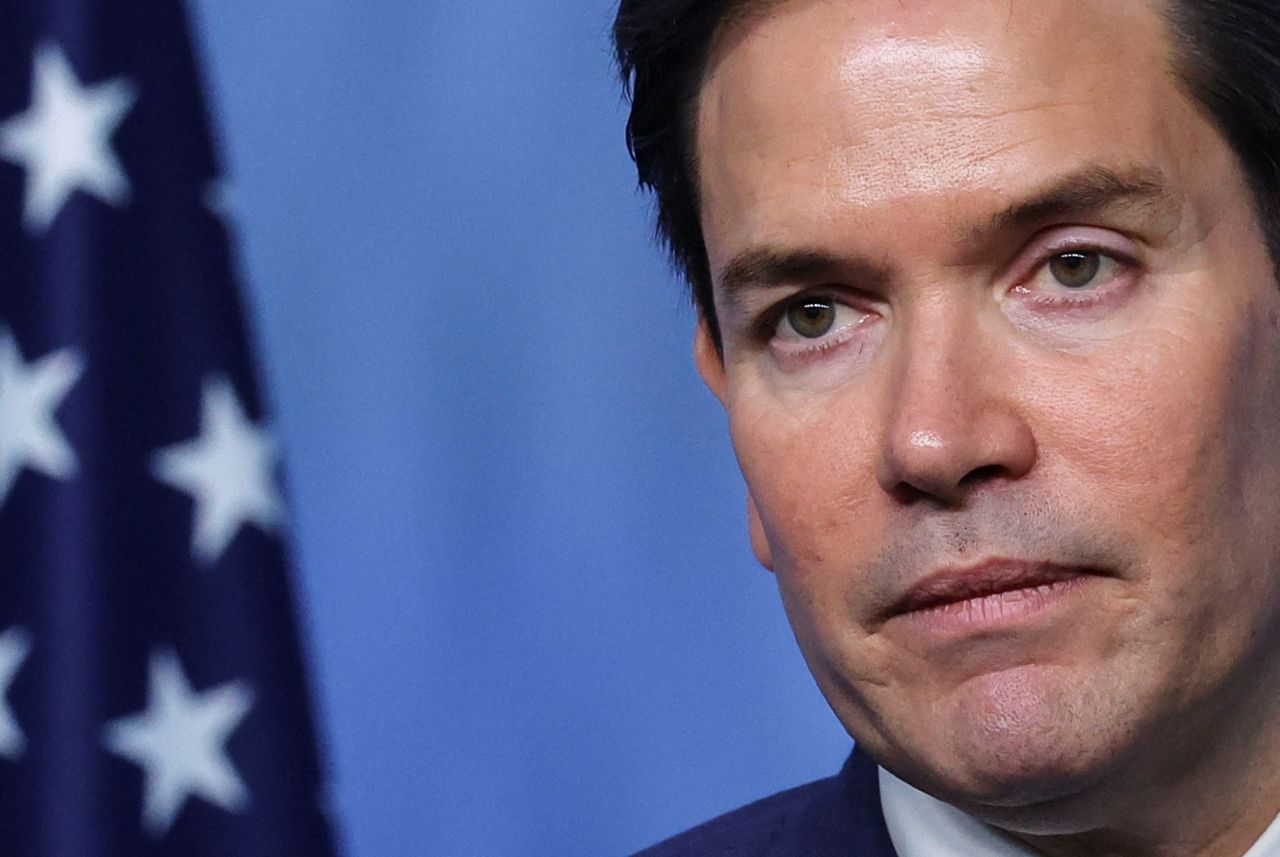
Paraguay’s Quiet Upgrade: How A Small Country Became A Big-Credibility Story. (Photo internet reproduction)
Another has shifted its outlook to “positive”, which is a technical way of saying that, if the numbers keep improving, an upgrade is likely.
That would give Paraguay the second investment-grade seal that many pension funds and conservative investors require before they can buy a country’s bonds.
Paraguay’s Quiet Formula: Stability Over Spectacle
Behind those labels sits a simple story. Successive governments chose boring stability over flashy spending. Public debt remains low, foreign reserves are strong, and growth has been solid, helped by exports, infrastructure projects and a predictable macroeconomic framework.
When external shocks hit, finance officials adjusted policy instead of picking public fights with markets. The current administration has tried to push this model further.
It has approved many measures to modernise the state, tighten control over spending, and attract long-term investors in areas such as pulp, fertilisers and services.
The message to global business is clear: Paraguay wants to be seen as reliable, rules-based and open for serious capital. There are weak spots.
The country still struggles with governance, inequality and a growing external deficit as it imports more and earns less from soy and hydro power. A different political mood, or a sharp global downturn, could slow reforms and delay the upgrade.
But for expats, companies and portfolio investors looking at Latin America, Paraguay now tells an unusual story: a small state trying to escape the region’s boom-and-bust curse by staying disciplined when others reach for easy answers.