Key Facts
- Soybeans, corn and wheat all rose the latest settled session showed SOYB at 25.49 $, CORN at 17.78 $ and WEAT at 25.25 $, with daily gains of +0.59%, +0.91% and +1.32% respectively, all dated 2026-07-17.
- Corn and soybeans were supported by the broader oilseed and grain tone a U.S. grain comment on 2026-07-17 said corn was modestly higher and soybeans were nearly unchanged, while soymeal and soy oil were firmer, a sign that the complex moved together rather than on one single headline.
- China remains the key demand swing factor the USDA’s China Grain and Feed Annual says China’s MY2026/27 feed and residual use of major grains is forecast at 290.7 MMT, up from 289.5 MMT in MY2025/26, while corn consumption is forecast at 323 MMT against production of 305 MMT.
- Brazil is still the export engine of the Americas USDA attaché projections cited by Grainews put Brazil’s 2026/27 soybean output at 184 million tonnes and soybean exports at 117.5 million tonnes, both records if realised.
- Argentina remains the second Latin American pillar the same Grainews report says Argentina’s 2026/27 soybean crop is expected at 49 million tonnes, with exports at 5.5 million tonnes and crush at 42 million tonnes.
- Currency moves matter because export prices are set in dollars a weaker Brazilian real or Argentine peso can lift local farm gate returns even when world prices are steady; this is an inference from the export-heavy structure described in the South American forecasts and the dollar-denominated market quotations.
Today’s Focus
Soybeans, corn and wheat all closed higher in the latest settled session, with the grain board pointing to a broadly firmer tone rather than a single-crop story. The move matters because the big South American suppliers, especially Brazil and Argentina, remain central to world export flows.
China is still the demand anchor. The USDA expects China’s grain feed use to edge higher, while corn consumption remains above production, which keeps import demand and buying interest relevant for the market.
In South America, harvest size and pace are just as important as demand. Brazil’s soybean crop is projected near record levels, and Argentina’s crop is still large enough to keep the world supplied even when weather trims estimates.
For foreign readers, the practical point is simple: these markets are being driven by a tug-of-war between large harvests in the Americas, China’s appetite for feed and oilseeds, and the currency values that shape export competitiveness.
What matters today. The variable to watch is whether Chinese buying and South American supply stay balanced enough to keep the recent rally alive.
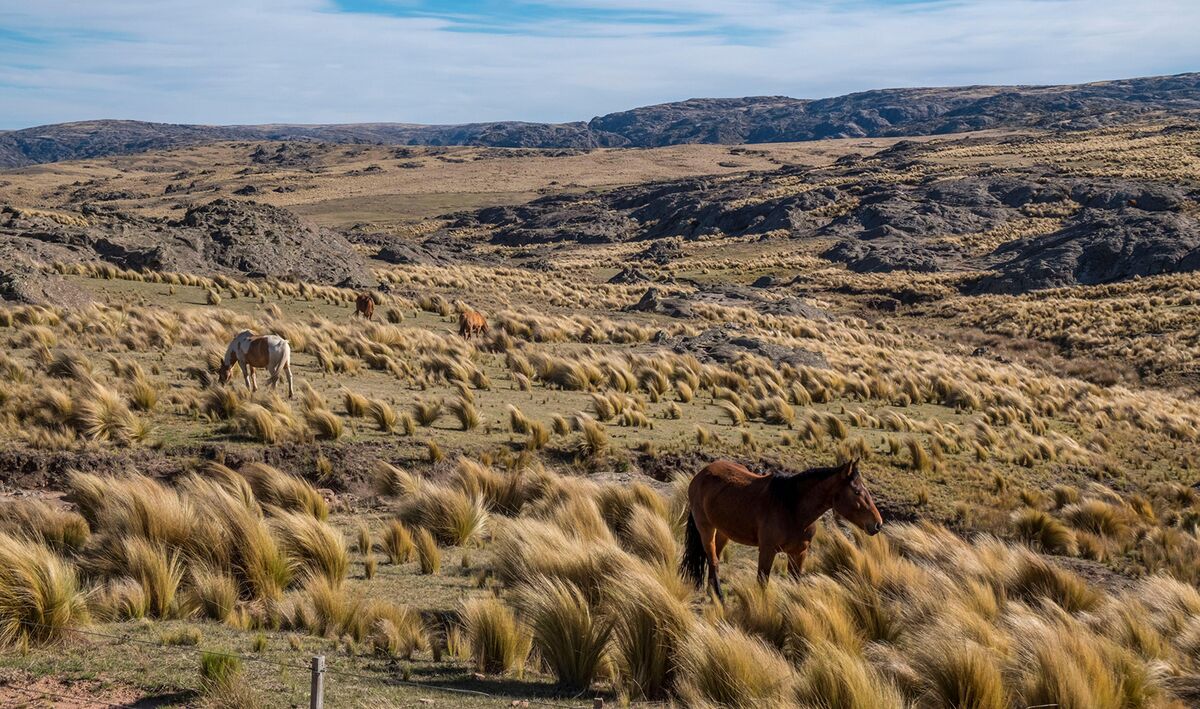
Grains — the daily wrap. (Photo internet reproduction)
One-stop reference
Company Intelligence
Every listed company in Latin America — financials, ownership and structure for 1,450+ companies across 26 exchanges, in one place.
Browse the directory →RTAsk Rio TimesMarkets, currencies and the economy›
01 The session in one read
The latest settled session was broadly positive for the grain complex, with soybeans, corn and wheat all closing higher on 2026-07-17. That matters because the move came across the whole group, which usually signals a macro theme such as demand, weather or currency rather than a one-off contract story.
The market tone was helped by firmer soymeal and soy oil, plus stronger wheat values, which often spill over into corn and soybeans through feed and rotation demand. In plain English, traders were not just bidding one crop higher; they were repricing the whole basket.
Assessment — Supply-heavy, demand-supported MEDIUM
The session looks like a classic grain-market squeeze between abundant supply and steady demand. South American crop forecasts remain large, but China’s grain and soybean needs are still enough to support prices when weather, logistics or currency shifts tighten the export outlook. The next swing factor is whether Brazilian and Argentine export offers stay competitive enough to absorb China’s demand without undermining Chicago futures.
02 The board
The live board shows SOYB at 25.49 $, up +0.59% on the latest settled session dated 2026-07-17. CORN is at 17.78 $, up +0.91%, while WEAT is at 25.25 $, up +1.32%.
These are tracker prices, not the raw CBOT futures contracts, so they are best read as market gauges rather than deliverable grain quotes. The direction is still useful: all three trackers moved higher together, which is the clearest sign of a broad firming in grain sentiment.
Asset
Level
Change
Soybeans (SOYB)
25.49 $
+0.59%
Corn (CORN)
17.78 $
+0.91%
Wheat (WEAT)
25.25 $
+1.32%
Source: EODHD close, 2026-07-17. Where a commodity has no spot feed, an exchange-traded tracker or leading producer is shown as a labelled proxy.
03 What moved it
The most immediate catalyst was a firmer tone across the wider agricultural complex on 17 July, including higher soymeal and soy oil, which supported soybeans indirectly. Wheat was also stronger, and wheat strength often pulls corn with it because feed buyers can substitute among grains when relative prices shift.
Beyond the day’s market mechanics, the deeper driver is demand from China and supply from South America. USDA data show China’s grain use still rising, while Brazil and Argentina continue to deliver very large exportable crops, keeping the market sensitive to every change in harvest pace, weather and currency.
04 The Latin American read
Brazil remains the region’s export heavyweight. USDA attaché projections cited by Grainews put Brazil’s soybean output at 184 million tonnes for 2026/27, with exports at 117.5 million tonnes, both described as record levels.
Argentina is still the smaller but crucial second hub. The same source says Argentina’s soybean crop is projected at 49 million tonnes, with exports at 5.5 million tonnes and crush at 42 million tonnes, meaning domestic processing remains a major channel for beans that do not leave the country raw.
That is why the currency link matters. When the Brazilian real or Argentine peso weakens, exporters can often offer grain more cheaply in dollar terms while protecting local returns, which can pressure Chicago prices even if farm economics at home remain acceptable.
05 The names to watch
China is the central buyer to watch because its feed demand and soybean import needs set the floor for global trade flows. The USDA says China’s MY2026/27 feed and residual use of major grains is forecast at 290.7 MMT, while corn production is forecast at 305 MMT against consumption of 323 MMT.
Brazil is the main supply name because its soybean crop and export programme can shift world pricing very quickly. Argentina is next because its harvest size, crush demand and export pace can tighten or loosen the availability of soybeans, corn and wheat for the world market.
The third name is the currency market itself, especially the Brazilian real and the Argentine peso, because they affect whether South American grain is priced aggressively into export channels. When currencies move, grain prices often follow even if the weather map does not change.
06 The outlook
The near-term outlook is still constructive but fragile. South American crops are large, Chinese demand is still present, and the latest price action shows buyers are willing to pay for that balance, but the market can reverse quickly if harvest pressure intensifies or export offers become too cheap.
07 What to watch
- China buying pace: Weekly export sales and state buying signals will show whether Chinese demand is strong enough to absorb the South American crop without cutting prices.
- Brazil harvest progress: A faster Brazilian soybean and corn harvest can increase export availability and weigh on Chicago prices.
- Argentina weather and yields: Any dryness or harvest disruption in Argentina can tighten supplies and lift wheat, corn and soybeans together.
- Brazilian and Argentine currencies: A weaker real or peso can make exports more competitive in dollars, changing the price tone even when crops are large.
Frequently Asked Questions
Why do Brazil and Argentina matter so much?
Because they are the main South American export engines for soybeans, corn and wheat, and their harvests influence global availability, pricing and trade flows.
Why is China always mentioned in grain markets?
China is the world’s key demand centre for feed grains and soybeans, so changes in its import needs can move prices quickly.
What is a grain tracker like SOYB, CORN or WEAT?
It is a market-traded instrument that tracks a grain or grain basket, so investors can follow price moves without holding physical grain.
Why do currencies affect grain prices?
Grain is priced in dollars in world trade, so a weaker exporter currency can encourage cheaper offers from Brazil or Argentina and pressure global benchmark prices.
LatAm Markets: Live Signals → — real-time movers, turnover leaders and FX across Latin America.
Read More from The Rio Times
The Rio Times · Power Map
See who really holds power in Latin America
Click to open the Power Map →