
Key Points
— President Lula signed Decree 12,875 on March 12 eliminating PIS and Cofins taxes on diesel — the only two federal levies on the fuel — cutting R$0.32 per liter at the refinery gate, with an additional R$0.32 per liter subsidy to producers and importers for a total relief of R$0.64 per liter through December 2026.
— To fund the R$30 billion fiscal cost, the government simultaneously imposed a temporary 12% export tax on crude oil — targeting windfall profits from Petrobras and other producers as Brent crude surged past $100 per barrel following the U.S.-Israel war on Iran and the effective closure of the Strait of Hormuz.
— Finance Minister Haddad said the package is fiscally neutral: R$20 billion in foregone PIS/Cofins revenue plus R$10 billion in subsidies equals the R$30 billion expected from the export levy, with no impact on the 2026 primary surplus target.
Why Brazil Diesel Prices Forced Lula’s Hand
The emergency behind the Brazil diesel package was measured in real time at the pump. Data from the Institute of Tax Planning showed common diesel rose 8.7% — an average of R$0.52 per liter — in just the first eight days of March, with the northeast registering 12.96% for S10 diesel. Brent crude surged from $77 per barrel in January to $114 on March 7 before settling near $100, driven by the U.S.-Israel operation against Iran and the shutdown of the Strait of Hormuz, through which 20% of the world’s oil transits. For a country where every harvest moves by diesel trucks and every field is plowed by diesel tractors, the shock threatened to cascade through the entire economy. This is part of The Rio Times’ daily coverage of Brazil financial news English and Latin American financial markets.
The Brazil Diesel Package: Three Acts in One Day
Lula signed two decrees and one provisional measure at the Planalto Palace alongside Finance Minister Fernando Haddad, Chief of Staff Rui Costa, and Energy Minister Alexandre Silveira. The first decree zeroes PIS and Cofins on diesel imports and domestic sales — eliminating the only two federal taxes on the fuel — for a reduction of R$0.32 per liter at the refinery level. The provisional measure creates a R$0.32 per liter subsidy to diesel producers and importers, which must be passed through to distributors and ultimately to consumers. Together, the two measures deliver R$0.64 per liter of relief. Pump stations will be required by a second decree to display clear signage showing consumers exactly how much the federal intervention reduced prices.
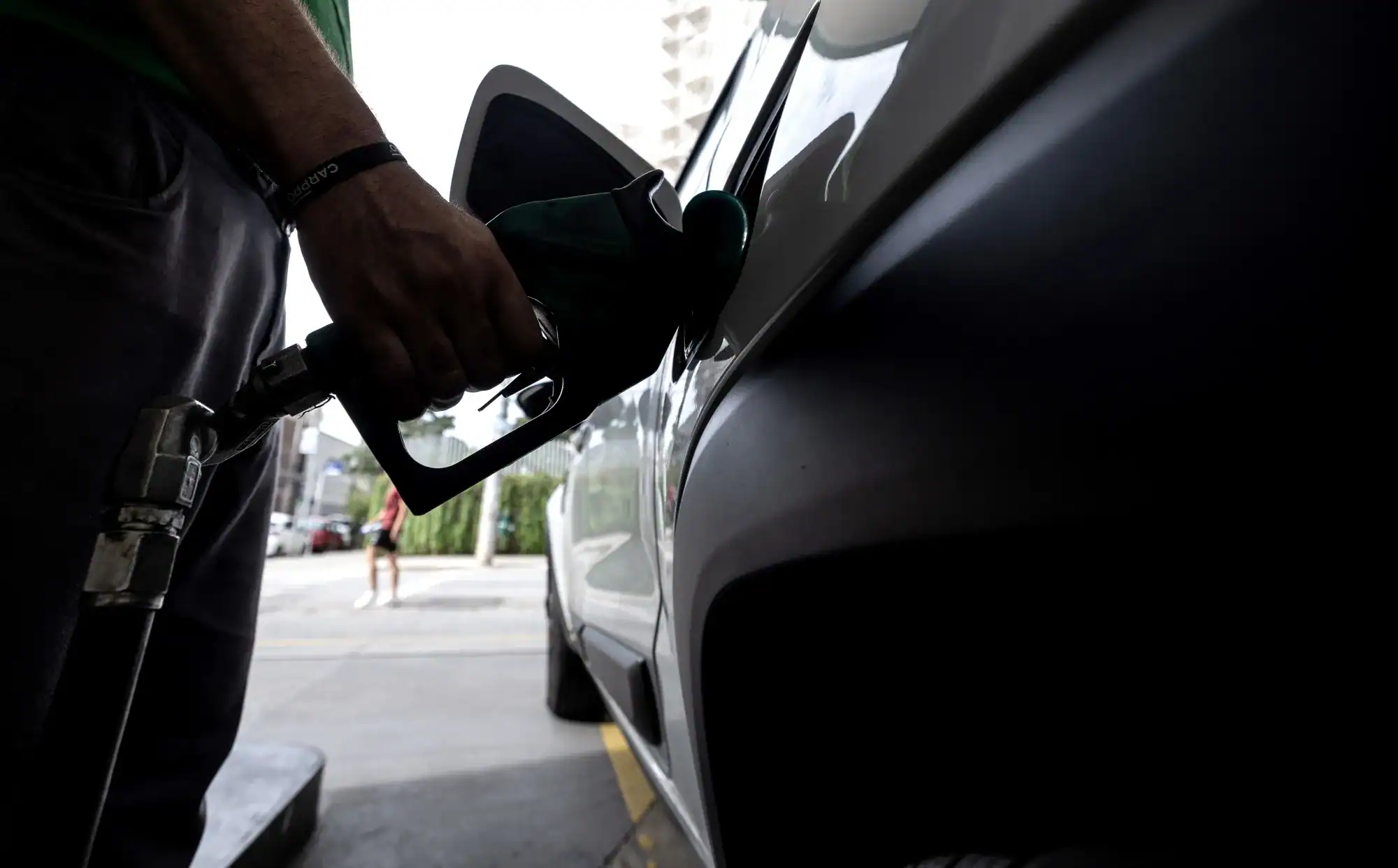
Brazil Diesel Tax Cut Offset by Oil Export Levy in War Package. (Photo Internet reproduction)
The same provisional measure revives the oil export tax — a regulatory instrument that Brazil has used in previous crises but had not deployed in years. At a reported 12% rate, the levy targets crude petroleum exports and is designed both to capture windfall profits from producers benefiting from elevated global prices and to incentivize domestic refining by making it relatively more attractive to process crude in Brazil than to ship it abroad. Petrobras, the state oil company, reported record exports in Q4 2025, making it the primary target. Haddad framed the logic in distributive terms: producers earning extraordinary profits will pay an extraordinary tax, while consumers will be shielded.
The Fiscal Engineering — and Its Risks
The Treasury estimates R$20 billion in foregone PIS/Cofins revenue and R$10 billion in subsidy outlays through December, offset by R$30 billion in projected export tax collections — fiscal neutrality that depends entirely on oil prices remaining elevated for the rest of 2026. If the Iran conflict ends and Brent drops to $80, the export levy yields far less than projected while the diesel tax exemption remains in force, opening a fiscal gap in an election year. Haddad insisted the measures do not alter the structural fiscal framework and are independent of Petrobras‘ pricing policy, but the political calculus is transparent: Lula cannot afford diesel-driven inflation cascading through food prices months before congressional and gubernatorial elections.
The package also empowers the National Petroleum Agency to receive tax data directly from the Federal Revenue Service, enabling joint enforcement against price gouging and fuel adulteration. Stations caught in abusive pricing or unjustified stockpiling face ANP enforcement under criteria yet to be defined. Lula called on state governors to reduce ICMS state tax on diesel — a request with no binding authority but one that frames inaction as a political choice. The Confederation of Agriculture estimated PIS and Cofins represented roughly 10.5% of the final diesel price, meaning the federal intervention is substantial but leaves the largest component — state ICMS — untouched. The package was developed in emergency meetings at the Alvorada Palace on March 11, as the IEA announced a record 400-million-barrel reserve release to stabilize global markets.
Read More from The Rio Times


