Rio Times · Analysis
Key Facts
—South Africa Doctors Without Borders declared a humanitarian emergency after anti-migrant violence killed at least four people and disrupted healthcare across three provinces.
—Zimbabwe More than 60,000 Zimbabweans have crossed home via Beitbridge in recent weeks, fleeing the unrest next door.
—Diplomacy President Ramaphosa signed a new structured partnership with France in Paris the same week, a diplomatic win overshadowed by the crisis at home.
—Pattern Latin America has lived a similar story, from Venezuela’s exodus of more than seven million people to backlash against migrants in Chile, Peru and the Dominican Republic.
—Trigger Economic strain and job scarcity, more than migrant numbers alone, tend to precede the sharpest backlashes in both regions.
—Stakes How South Africa manages this moment will shape migration debates far beyond its own borders, including across the Atlantic.
*A wave of anti-migrant violence emptying South African townships this week is not a uniquely African story – it is the same story Latin America has told itself, painfully, for a decade.*
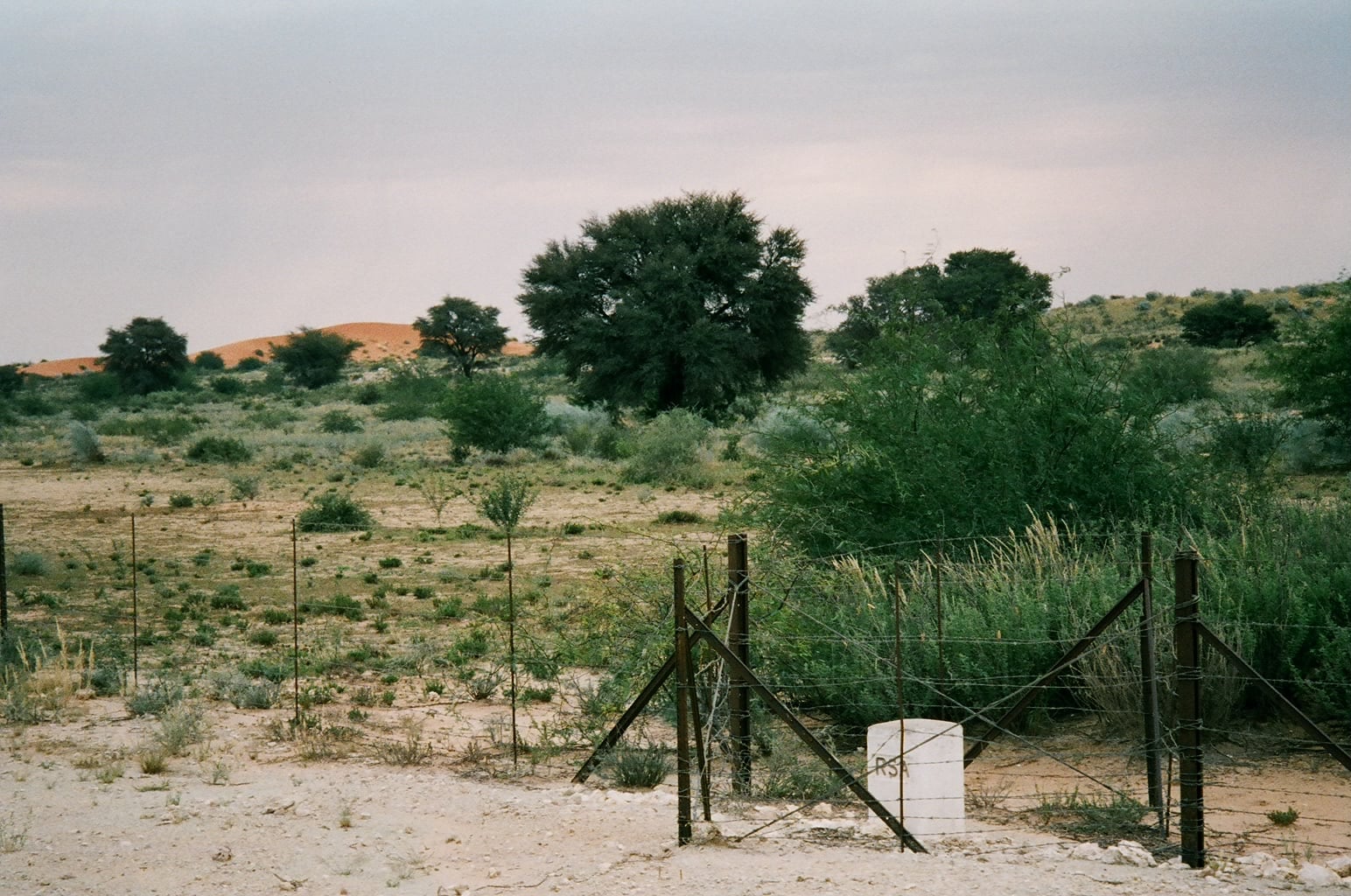
Migrants queue at the Beitbridge border crossing between South Africa and Zimbabwe amid a wave of anti-migrant violence. (Photo internet reproduction)RTAsk Rio TimesCost of living, safety, visas across Latin America›
One-stop reference
Company Intelligence
Every listed company in Latin America — financials, ownership and structure for 1,450+ companies across 26 exchanges, in one place.
Browse the directory →
A Continent’s Door Slams Shut
Across South Africa this week, a slow-burning anger at foreign migrants turned physical, and the numbers that followed are stark enough to demand attention well beyond the country’s borders.
Doctors Without Borders, an organisation that does not use the word emergency lightly, declared exactly that over violence that has displaced tens of thousands of people and disrupted healthcare access.
At the same time, more than sixty thousand Zimbabweans have streamed back across the border they once crossed hoping for a better life, choosing an uncertain home over an increasingly hostile one.
This is not simply a local law-and-order story; it is a case study in how quickly a struggling economy can turn its frustrations on the people least able to defend themselves.
Latin American readers, in particular, will recognise the shape of this story instantly, because their own region has lived several versions of it already.
South Africa’s Anger Turns Physical
The violence spread across three provinces and reached the Musina border crossing, a vital artery for trade and movement between South Africa and its neighbours.
Doctors Without Borders launched an emergency medical response after the unrest disrupted healthcare access for both migrants and local residents caught in the crossfire.
At least four confirmed deaths mark the human cost so far, though aid workers on the ground warn the real toll, including psychological harm, is far higher and harder to count.
Families have been sheltering in parks, churches and foreign consulates, the same desperate refuges migrants have sought in crises from Santiago to Port-au-Prince.
What began as scattered protests over jobs and housing has hardened into something closer to organised intimidation, aimed squarely at people who look, sound or speak differently.
Zimbabwe’s Unwanted Homecoming
The scale of the exodus back into Zimbabwe has turned a single border post into the week’s clearest picture of ordinary lives upended by fear.
A temporary processing facility near Beitbridge has been working around the clock, struggling to keep pace with a flow of returnees far larger than authorities had planned for.
Many of those crossing back had built years of life in South Africa, sending remittances home and raising children who now face an abrupt, unplanned relocation.
Zimbabwe’s own economy, already fragile, is now absorbing a sudden influx of labour and mouths to feed with little advance warning or international support.
It is a homecoming nobody wanted, forced not by choice but by violence, echoing the involuntary returns Venezuelan and Haitian migrants have faced elsewhere in recent years.
Diplomacy’s Parallel Track
While townships burned with anger over migrants, South Africa’s president was in Paris signing a new structured partnership with France, a genuine diplomatic win dressed in formal photographs.
The timing captured a peculiar duality that governments under strain often display, projecting confidence abroad even as fires burn quietly at home.
South Africa’s earlier exclusion from a G7 guest list had stung, making the Paris agreement feel like a much-needed vindication on the world stage.
Yet no amount of diplomatic warmth in Europe changes the reality facing families sheltering in a Musina church or a Beitbridge queue.
Governments across the world, including in Latin America, have learned this same hard lesson: foreign policy triumphs rarely calm a domestic crisis that voters can see with their own eyes.
Latin America’s Familiar Ache
Latin America knows this exact tension intimately, having absorbed the largest external displacement crisis in its modern history with Venezuela’s exodus of well over seven million people.
Chile saw its own ugly flashpoint in 2021 when anger over migrant camps in the northern city of Iquique boiled into a mob burning migrants’ belongings in the street.
Peru has swung between welcoming Venezuelan arrivals and tightening its borders as public patience frayed under economic pressure.
The Dominican Republic’s mass deportations of Haitians, and Brazil’s own strained reception centres in Roraima state, both show the same pattern of hospitality curdling once resources feel scarce.
South Africa’s crisis, in other words, is not an African anomaly; it is the latest chapter in a story migrants worldwide have learned to fear.
Why Migrants Become the Target
Scapegoating tends to follow a predictable script: an economy under strain, high unemployment among young people, and a visible, vulnerable group nearby to blame.
South Africa’s own unemployment rate remains among the highest of any major economy, a tinderbox that made this week’s violence almost predictable to those who study migration closely.
The same dynamic played out in Chile and Peru, where job scarcity, not migrant crime statistics, best predicted where backlash turned violent.
Politicians in every region have found it easier to point at foreigners than to fix housing shortages or stagnant wages, a shortcut that buys short-term applause at a long-term social cost.
Understanding this pattern matters because it suggests the cure lies in economic policy, not border policy alone, a lesson still resisted across multiple continents.
A Global Backlash, Not A Local Blip
South Africa’s unrest lands amid a wider global tightening on migration, visible in Europe’s border politics and in Washington’s own aggressive enforcement push this year.
The common thread is not any single migrant group but a broader public mood, anxious about economic security, that treats newcomers as an easy symbol of everything else that feels unstable.
Latin American governments, wrestling with their own Venezuelan and Haitian arrivals, are watching how South Africa’s crisis unfolds for clues about what does and does not calm public anger.
International bodies like the UN’s refugee agency have repeatedly warned that this backlash cycle, once it takes hold, is far easier to inflame than to reverse.
For a region like Latin America that still hosts millions of displaced people, South Africa’s week is a preview worth studying closely rather than a distant curiosity.
Three Paths From Here
In the most hopeful path, South Africa’s government invests quickly in job creation and community mediation, defusing tension before it spreads beyond the current three provinces.
In a middling path, the violence subsides on its own once media attention fades, but resentment simmers unaddressed and resurfaces within months, much as it has in Chile and Peru.
In the darkest path, returnee numbers from Zimbabwe keep climbing, regional relations sour, and copycat unrest spreads to other South African cities with large migrant populations.
Latin America’s own experience suggests the middling path is the most common outcome absent deliberate, sustained government intervention.
Which path South Africa takes will offer useful signals for how Venezuela’s host countries, and eventually Haiti’s, might manage their own next flashpoint.
The Human Cost Nobody Wants To Own
Behind every statistic in this crisis is a family that packed what it could carry and left a home built over years, choosing uncertainty over violence.
A Zimbabwean mother queuing at Beitbridge and a Venezuelan father queuing at a Colombian border post are, in the end, living the same fear in different languages.
Aid workers on both continents describe the same exhaustion: emergency response after emergency response, with the underlying economic causes never quite addressed.
The Rio Times will keep watching this story because Latin America’s own migration crises make it uniquely placed to recognise the warning signs South Africa is now living through.
If there is a single lesson worth carrying from Beitbridge to Bogotá, it is that hospitality fractures fastest not because of migrants themselves, but because of the anxieties already waiting to be blamed on them.
Frequently Asked Questions
Why is South Africa seeing anti-migrant violence now?
Economic strain and high unemployment have combined with long-simmering resentment toward foreign migrants, boiling over into violence across three provinces and the Musina border.
How many Zimbabweans have returned home?
More than 60,000 Zimbabweans have crossed back from South Africa in recent weeks, overwhelming a temporary processing facility near Beitbridge.
How does this compare to Latin America’s migration crises?
It closely mirrors backlash episodes in Chile, Peru and the Dominican Republic against Venezuelan and Haitian migrants, driven by the same mix of economic anxiety and scapegoating.
Connected Coverage
Explore the cluster: World · Africa
Read More from The Rio Times
The Rio Times · Power Map
See who really holds power in Latin America
Click to open the Power Map →