Your support helps us to tell the story
From reproductive rights to climate change to Big Tech, The Independent is on the ground when the story is developing. Whether it’s investigating the financials of Elon Musk’s pro-Trump PAC or producing our latest documentary, ‘The A Word’, which shines a light on the American women fighting for reproductive rights, we know how important it is to parse out the facts from the messaging.
At such a critical moment in US history, we need reporters on the ground. Your donation allows us to keep sending journalists to speak to both sides of the story.
The Independent is trusted by Americans across the entire political spectrum. And unlike many other quality news outlets, we choose not to lock Americans out of our reporting and analysis with paywalls. We believe quality journalism should be available to everyone, paid for by those who can afford it.
Your support makes all the difference.Read more
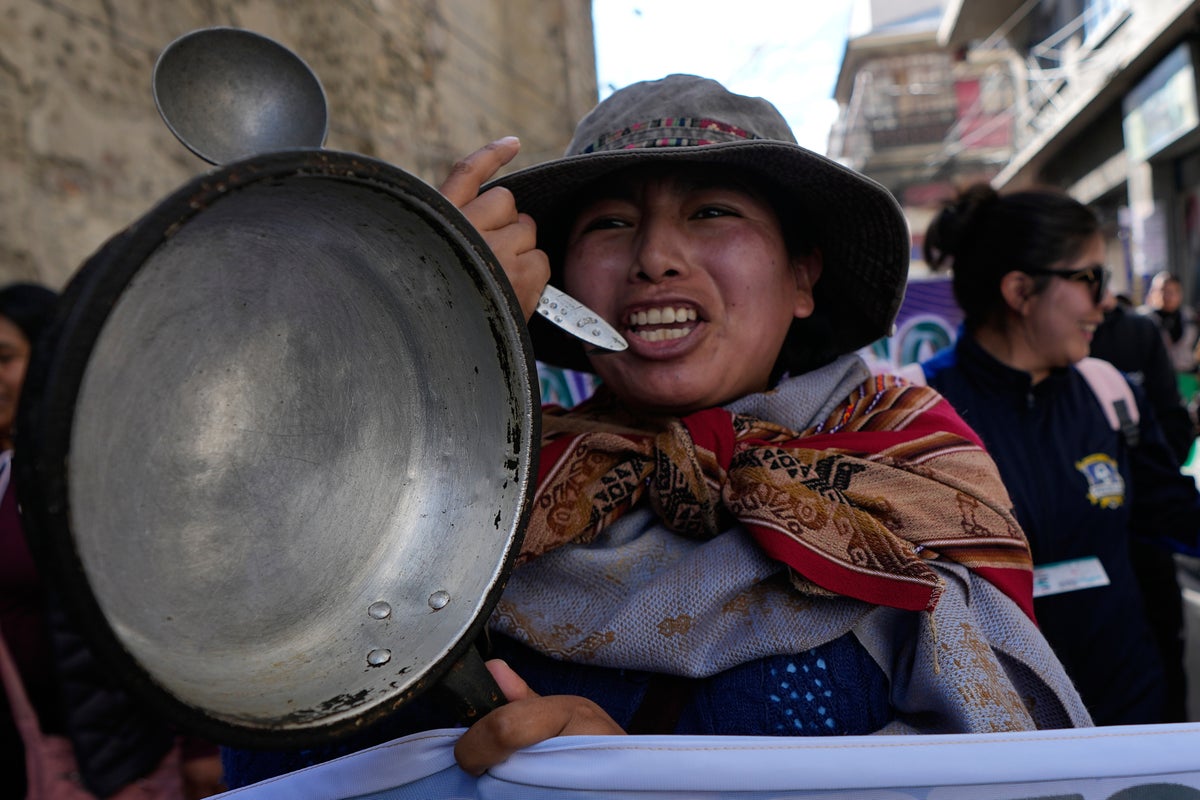
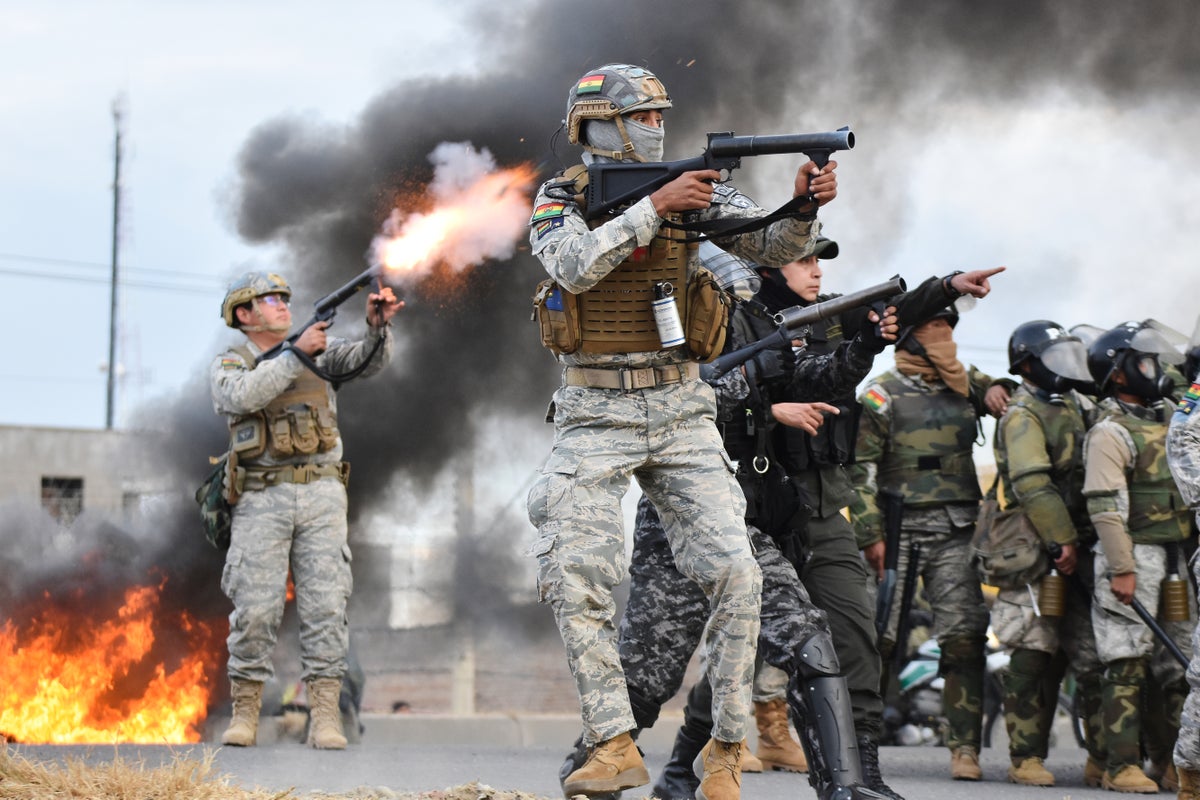
Protesters in Bolivia demanding the resignation of conservative President Rodrigo Paz hurled firecrackers, stones and sticks at police who responded with tear gas on Monday, leading to dozens of arrests as road blockades continue to paralyze the Andean nation.
The renewed clashes in the central city of Cochabamba erupted after President Paz signed a measure that could pave the way for a hard-line government crackdown on the demonstrations that have roiled Bolivia over the past five weeks, disrupting transportation and causing shortages of food, fuel and medical supplies.
Bolivia’s national workers’ union, peasant farmers and Indigenous groups from the highlands — outraged over Paz’s scrapping of fuel subsidies and frustrated with his failure in the last seven months to resolve Bolivia’s persistent economic problems — have set up 90 blockades on key routes nationwide, effectively isolating major cities, especially La Paz, the seat of government and neighboring El Alto. Battered by rising inflation and low wages, many protesters accuse Paz of neglecting them since they helped vote him into office.
A report released over the weekend by the independent public ombudsman said that, from May 1 to June 2, the unrest resulted in 10 deaths, 37 injuries and 365 arrests. The government says seven of the deaths were caused by a lack of medical attention, but that all incidents are being investigated.
Paz has tried to negotiate with the protesters and urged restraint in the use of police force against them. But demonstrators have largely refused to sit down with the president and continue to demand nothing short of his resignation just seven months after he took office. His election last year ended nearly 20 years of uninterrupted rule by Bolivia’s Movement Toward Socialism, or MAS, the party founded by charismatic ex-President Evo Morales.
Pressure is growing on Paz to mount a more aggressive response to the unrest. On Monday, he signed legislation that eases the government’s ability to impose a state of emergency that would suspend constitutional rights and empower the military to restore order and clear the blockades. But for a state of emergency to come into force, Paz must issue a separate decree. It’s unclear whether he’ll decide to do so, as violent military crackdowns on protests have toppled Bolivian presidents before.
“This law is to protect the majority of the country from the narco-terrorism that is instigating the protests,” Paz said in a national address after signing the law. “I extend my hand to the social organizations that have legitimate demands and reiterate my willingness to engage in dialogue.”
After his speech, crowds stormed a public transport union office in El Alto as tensions surged over fuel shortages, leading to at least 28 arrests, police said. Clashes engulfed the central city of Cochabamba, where protesting farmers attempted to cut off a bridge that connects the region to the west of the country. Police detained 23 people as they sprayed tear gas to disperse demonstrators throwing stones and dynamite.