April 14, 2026
The fight over California’s billionaire tax is just the latest symptom of a crisis that has escalated since 2010.
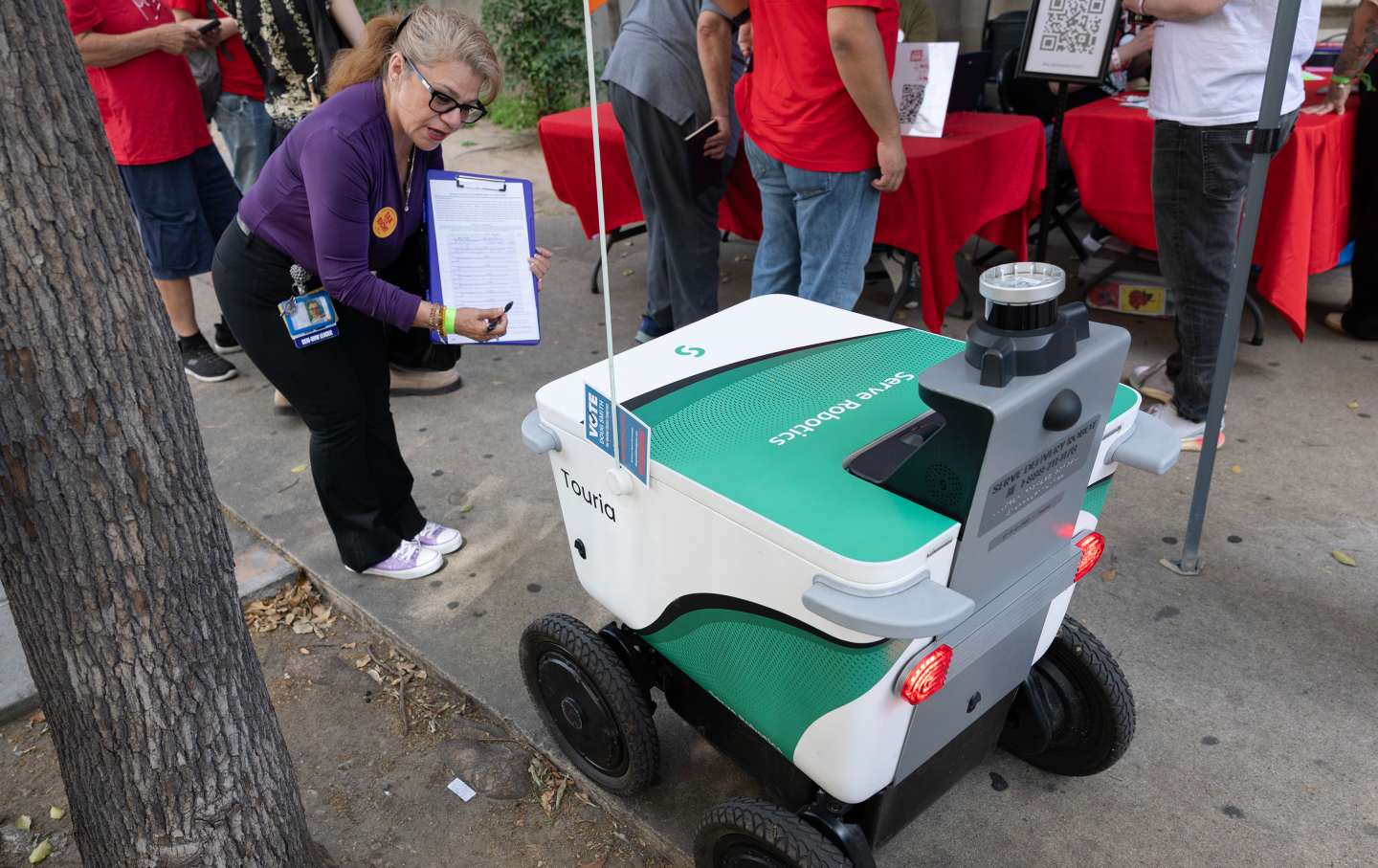
There’s money to be made in California this spring, no start-up pitch or buzzy screenplay required. Instead, signatures are one of the state’s most coveted commodities: Campaigns are paying $15 apiece to those willing to collect them.
Petition distributors can thank Sergey Brin for this pay bump. In an effort to kill California’s proposed billionaire tax, the Google cofounder and other local tycoons are funding a political group that has hiked the going rate for signatures collected in support of countermeasures. In all, foes of the wealth tax are expected to spend $75 million in their attempt to quash the proposal. Brin himself has donated $45 million to the cause—a sum that suggests he just might be able to afford a higher tax bill.
Billionaires offering bounties for signatures is just the latest indignity in a political system long defined by the machinations of the wealthy. With more than $125 million poured into advertising, Texas’s recent Senate election was the most expensive primary race ever. In 2024, billionaires contributed 19 percent of all reported donations to federal elections, while AIPAC and an associated super PAC spent nearly $100 million. That’s also how much one AI industry group plans to shell out during this year’s midterms. The political funding arms race is deepening. And all that most Americans can afford to bring to the fight is one vote.
Current Issue
The crisis has escalated since 2010, when the Supreme Court’s Citizens United decision shredded limits on independent corporate election spending, fueling the cash-flush super PACs and anonymous dark-money nonprofits that now dominate our political economy. Cycle after cycle, the proportion of that money that is untraceable has only increased. In 2024, $1.5 billion in super PAC donations came from organizations that aren’t required to name their donors.
Though plenty of individual Democrats and Republicans have been buoyed by this deluge of dollars, the ruling has, on balance, boosted conservatives. In states where Citizens United struck down existing bans on corporate donations, Republicans received a four-point electoral bump, even though voters themselves didn’t move to the right.
Rampant income inequality has also fueled a parallel democratic deficit. The richest 10 percent of Americans now own 93 percent of the stock market, and the number of billionaires in the US has increased by 50 percent in the last eight years. This means a larger pool of individuals with essentially unlimited political spending power. Only 23 Americans donated $1 million or more in the 2004 election. Twenty years later, 408 people did the same.
Even now, the Supreme Court is considering dismantling one of the final restrictions on big money in politics, a law that caps the amount party organizations can spend in coordination with campaigns. But to do so would be to exacerbate a status quo that is already extraordinarily unpopular: more than three-quarters of Americans disagree with the Citizens United ruling, and approximately 80 percent say that Congress is unduly influenced by donors.
Given the reactionary Supreme Court, Citizens United is unlikely to be overruled for the foreseeable future. This means undoing the decision would require the passage of a constitutional amendment—and in the last half century, only two such amendments have been ratified.
But there are other ways to rebalance the scales, including public election financing, which helped Zohran Mamdani secure his mayoral victory in New York City last year. Currently implemented in 15 states and Washington, DC, these programs issue grants, vouchers, and matching funds that augment the power of small donations. This incentivizes politicians to court the public, not just big donors, and opens a path to political office for those who lack networks of well-heeled supporters. And, in exchange for accepting state funding, campaigns agree to oversight and transparency measures.
Citizens United might also be circumvented by novel legal maneuvering. As Chief Justice John Marshall wrote in 1819, a corporation is “mere creature of law”—and while the Supreme Court has ruled that such creatures have the right to throw money around at election time, states themselves hold considerable authority to define the powers they grant to incorporated entities.
In Montana, organizers are currently collecting signatures for a daring new ballot measure, one that seeks to capitalize on this authority. If passed, the Transparent Election Initiative would create a new law stripping corporations of the power to engage in election spending, and out-of-state companies would also be obliged to heed the measure when operating in Montana. Industry groups are already trying to defeat the proposal, and were dealt a setback just last week, when the state Supreme Court ruled that the petition push can proceed.
Popular
“swipe left below to view more authors”Swipe →
At the party level, the Democratic National Committee is now debating methods for curtailing dark money’s influence in future primaries. And more and more Democrats have pledged to reject corporate PAC funding in recent years. It’s a small but heartening sign of progress, with tangible benefits for candidates: Voters from both parties are more likely to donate to, vote for, and trust politicians who reject PAC money.
With an unresponsive Congress failing to rein in an unaccountable president waging an unnecessary war, America is limping toward its 250th birthday. To retreat from the brink, we’ll have to restore the public’s faith in our elections—and that starts with taking them off the market.
More from The Nation
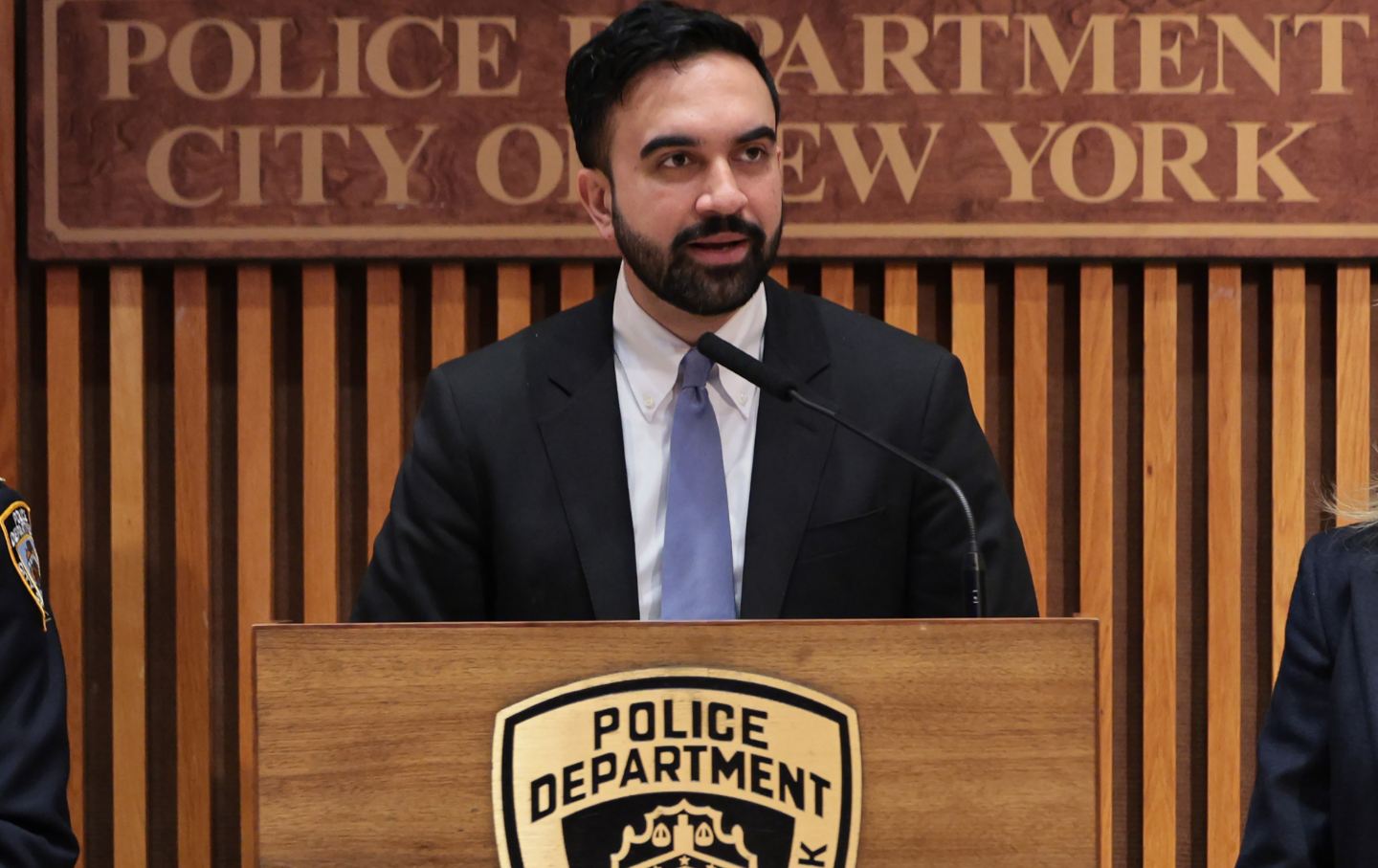
The mayor’s proposed Department of Community Safety could radically challenge police power and advance a socialist vision of security. So why is he retreating from it?
Eric Reinhart
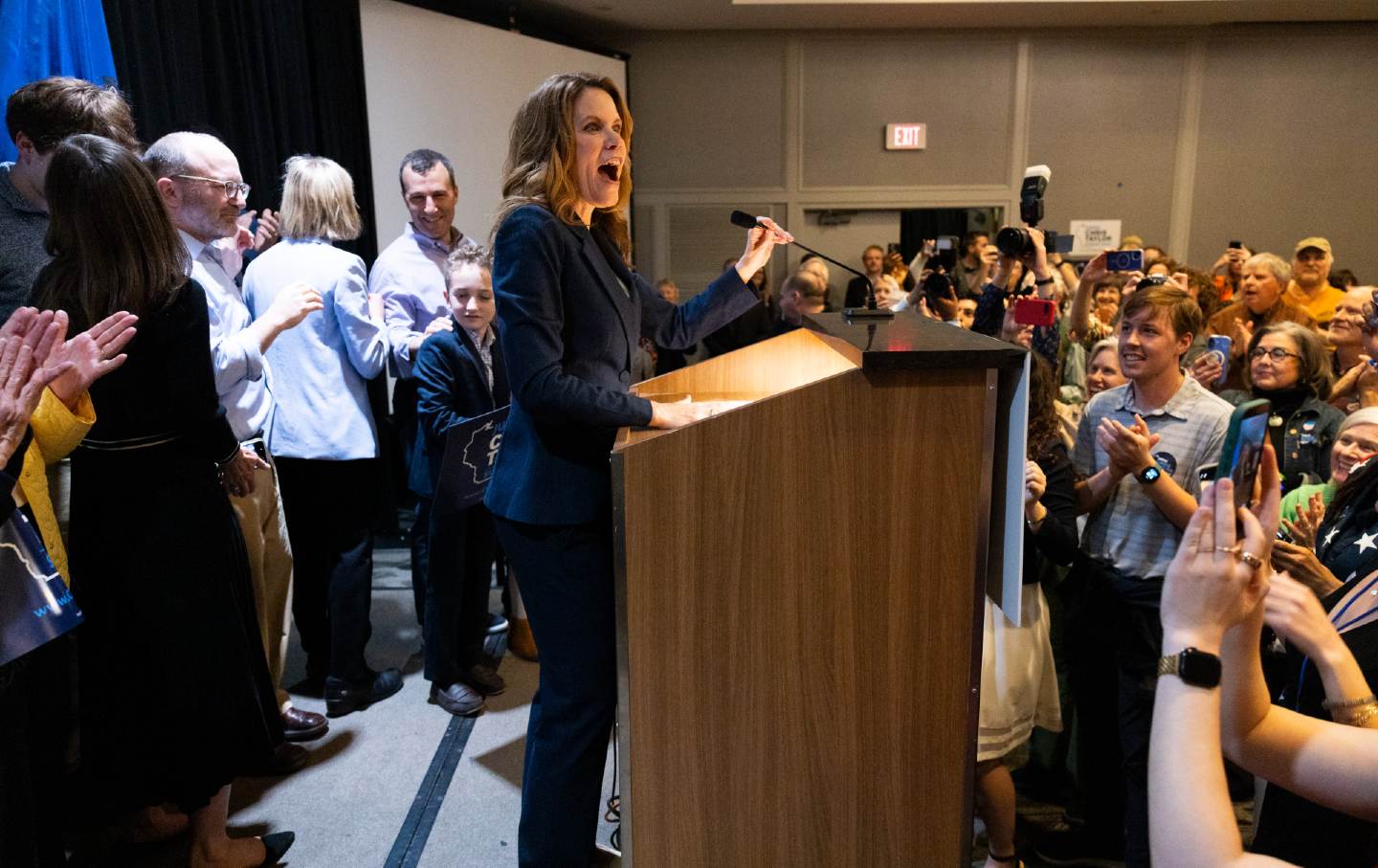
In this week’s Elie v. US, Elie opines on the meaning of the Wisconsin Supreme court election. Plus: should you be able to claim your dog as a dependent on your tax returns?
Elie Mystal
The results from an important race in Wisconsin this week suggest the Republicans could be in very big trouble.
John Nichols
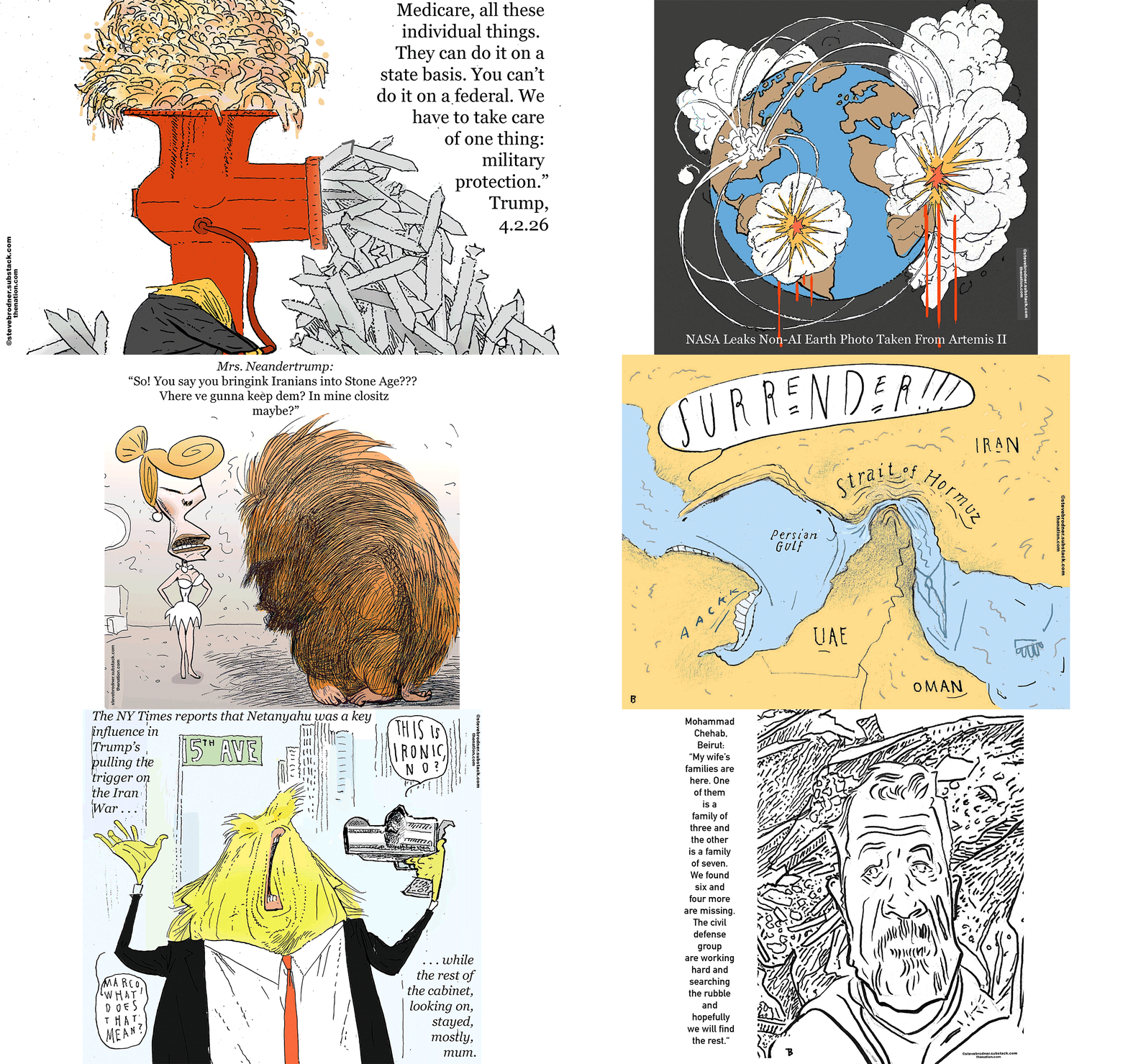
April 10, 2026 marks the 96th birthday of the American labor leader and feminist activist.
OppArt
/
Sylvia Hernández