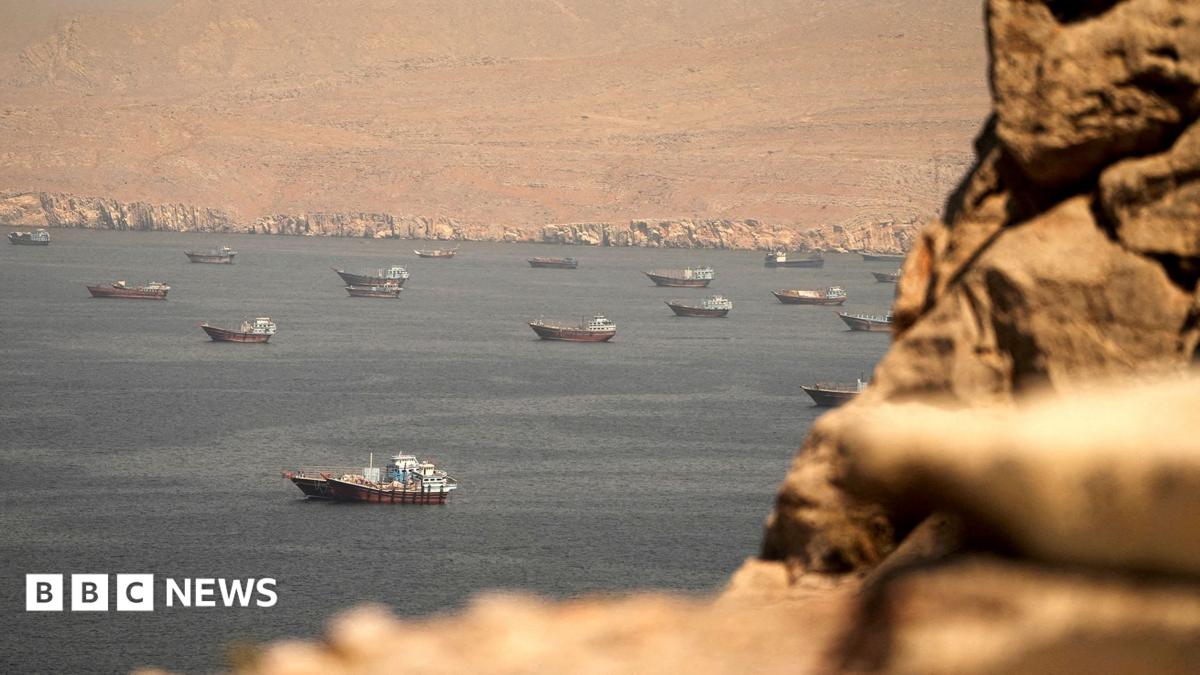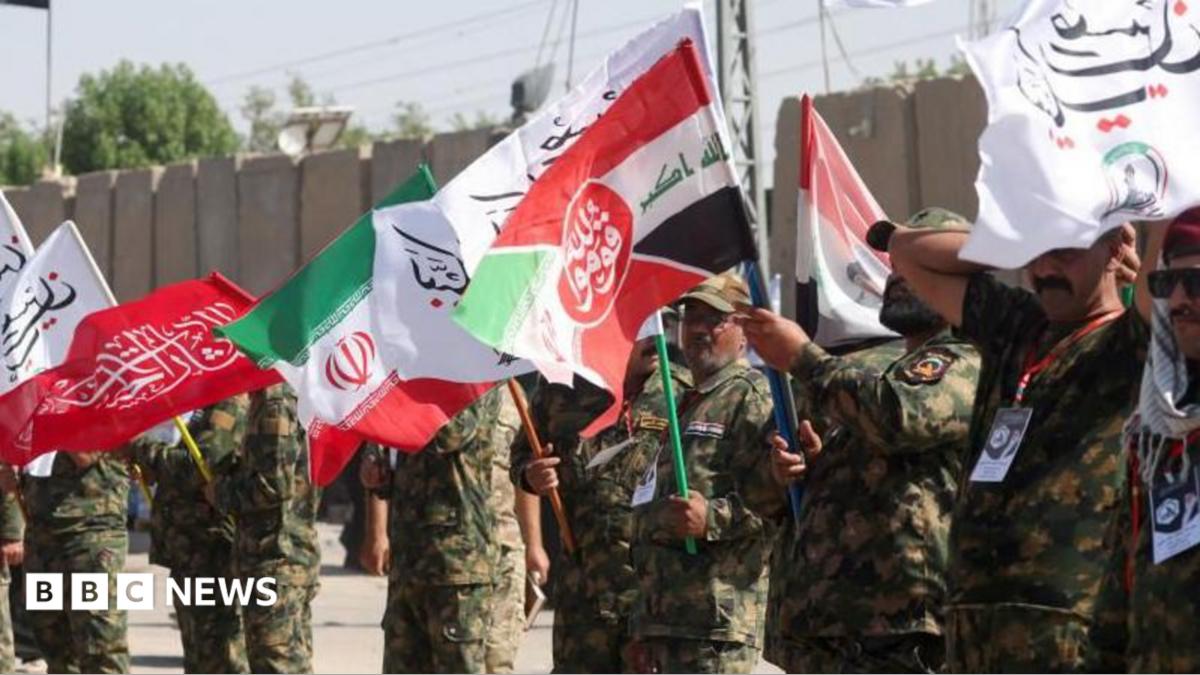
Last night, far from the thunder of this escalation, its parliament quietly introduced a new bill to manage the strait called the Strategic Action for the Security and Sustainable Progress of the Strait of Hormuz and the Persian Gulf.
That news was posted on X by Ebrahim Azizi, head of the assembly’s national security commission, who told us in April that controlling the waterway was Iran’s “inalienable right”.
When asked when Iran would cede control, his reply was short and sharp – “never.”
He described it as an “asset to face the enemy”.
Iran’s zero trust in the US’ promises, fuelled by the repeated eruptions of war or threats during negotiations, have cemented its resolve.
Control over the strait is seen not just as a bargaining chip in this impasse, it also sees it as its new leverage, a new form of deterrence, as well as an economic lifeline – in case sanctions never get lifted, and its assets worldwide remain frozen.
But Tehran’s determination to rewrite the rules in the region is also causing tension with its neighbours including Qatar, one of the main mediators in this crisis, as well as Iran’s longstanding traditional ally Oman, which has played a role for decades behind the scenes.
Countries like the United Arab Emirates have made it crystal clear that Iran’s plans to play a controlling role, including charging some form of “service fees” is unacceptable and sets a dangerous precedent.
A source informed on the back and forth said Oman had objected to Iran’s inclusion of a specific mention in the agreement in that same contested fifth point – that Iran “will conduct dialogue with the Sultanate of Oman to define the future administration and maritime services”.
Muscat now finds itself caught between the wishes of Washington, and Tehran wants to maintain, above all else, its longstanding reputation as the region’s discreet diplomatic middleman.
“Oman has been very patient with the Iranians trying to keep good neighbourly relations,” Omani analyst, Professor Abdullah Baabood, told the BBC’s Newshour programme.
“This particular episode has driven Oman to take quite a substantial stand…but we want this conflict to be resolved through dialogue.”
Some observers still see a small possibility of an eventual compromise.