Khamenei was born in Mashhad, Iran’s second-largest city located in the northeast of the country, and studied at seminaries in the city before moving to Qom, the centre of Iran’s Shia clerical establishment.
He was appointed supreme leader in 1989 after the death of the Islamic Republic’s founding father, Ayatollah Ruhollah Khomeini.
During his 37 years in power, he maintained a firm grip on Iran’s politics and its armed forces, and suppressed domestic challenges, sometimes violently. He also took consistently hard-line stances on external matters, including Iran’s confrontation with the US and Israel.
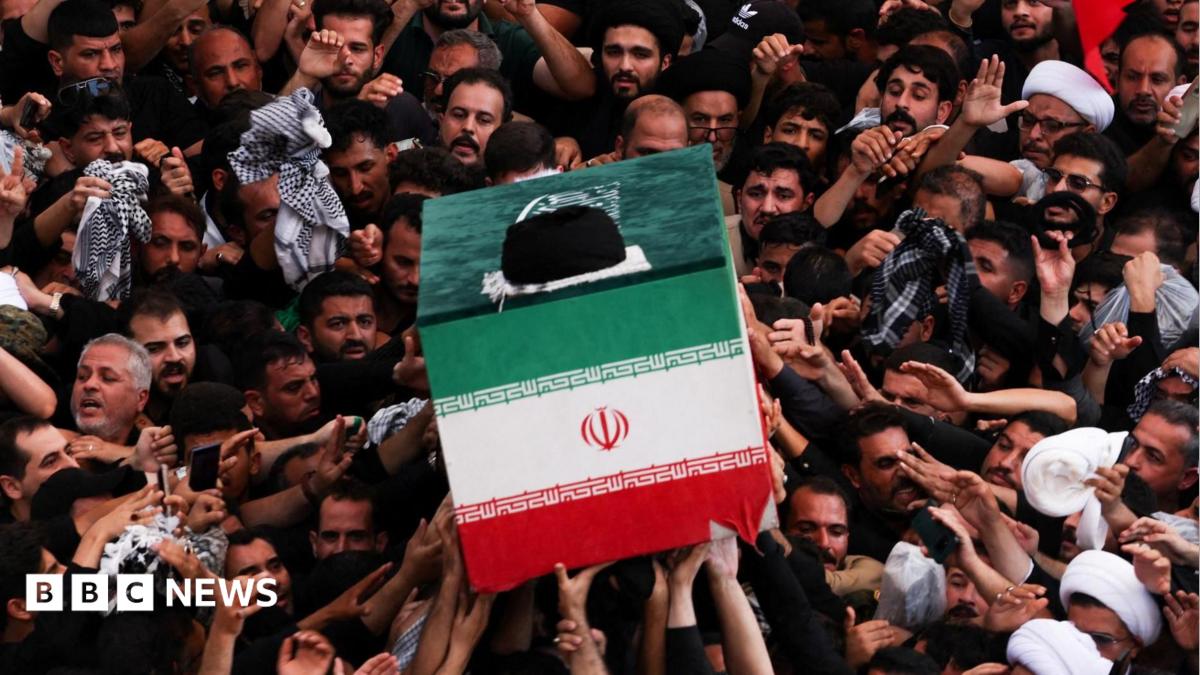
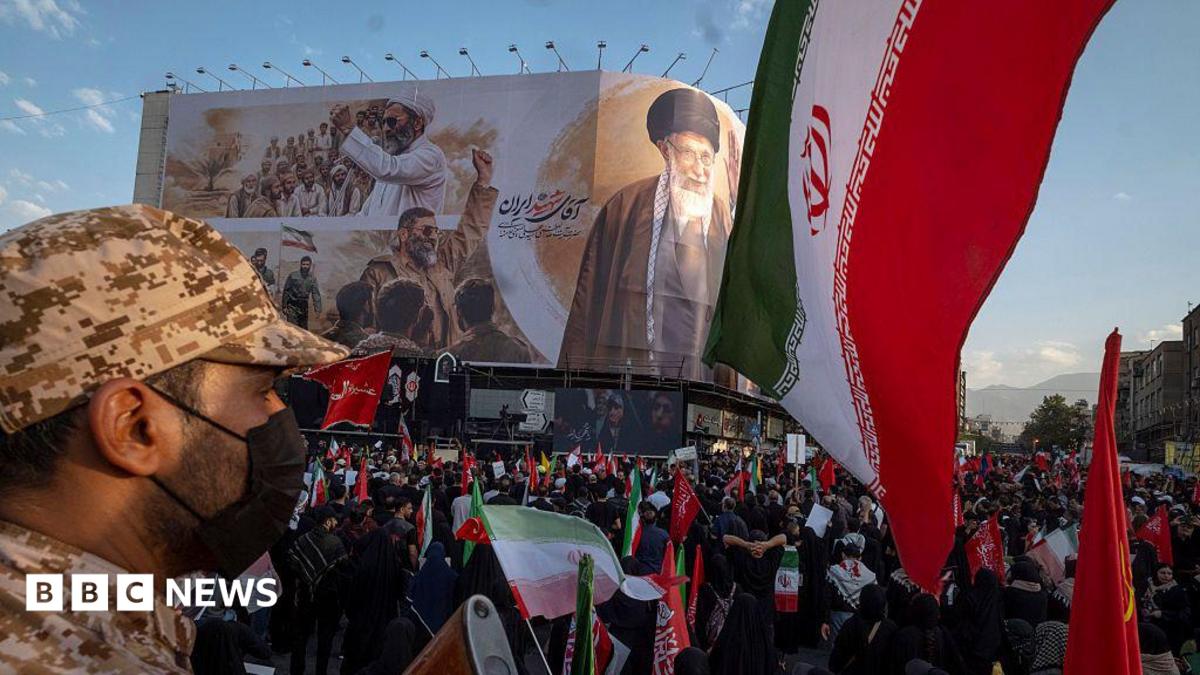
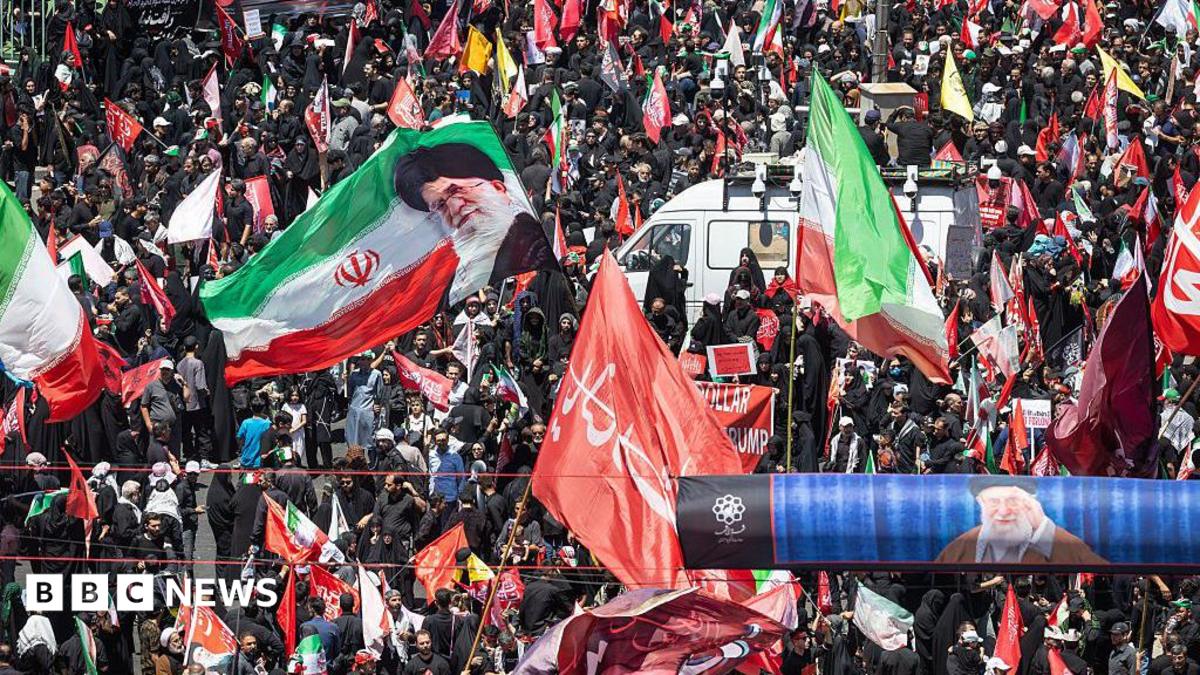
Iran’s leadership wanted the choreographed funeral ceremonies for Khamenei to project unity and strength after a war, during which thousands of people have been killed, and the mass protests in January, when a crackdown by security forces left thousands more people dead.
The public mourning has, however, been marred by the renewed hostilities with the US.
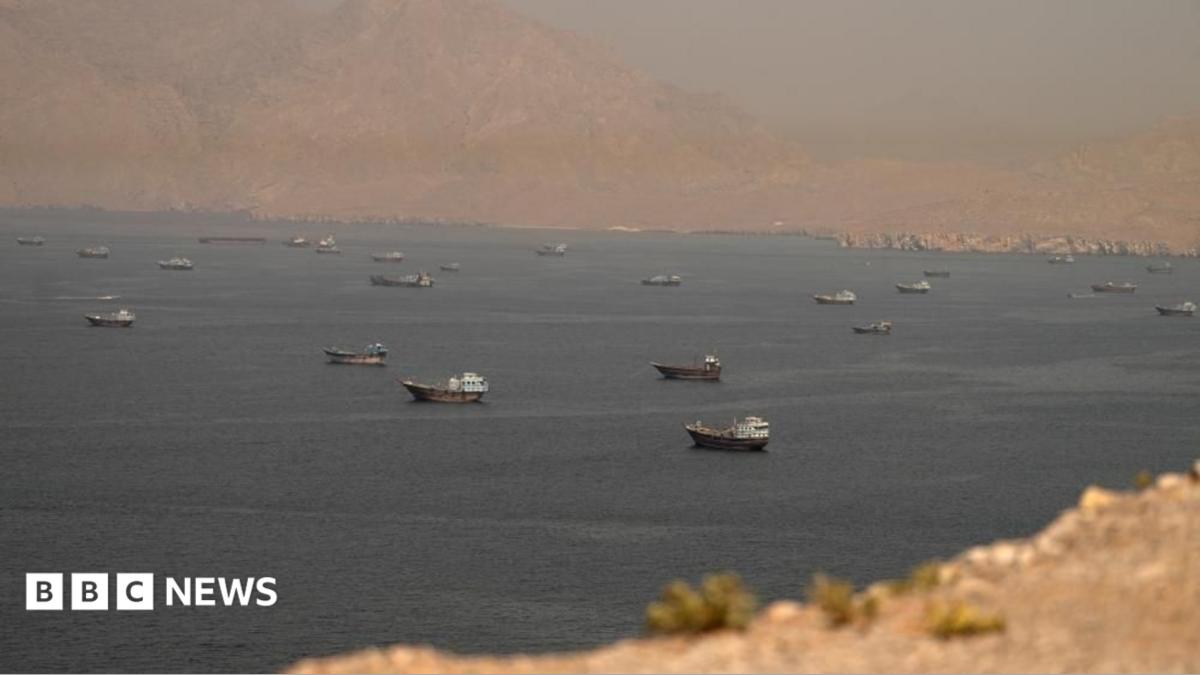
Trump warned that US attacks could get “much worse” after a second night of strikes on Thursday, which the US military said were intended to degrade Iran’s ability to target commercial shipping in the Strait of Hormuz.
The Revolutionary Guards said Iranian forces had attacked US military facilities and infrastructure in Kuwait, Bahrain and Qatar in response.
Three weeks ago, the US and Iran signed a memorandum of understanding (MoU) that called for an end to hostilities on all fronts and the reopening of the Strait of Hormuz. It also gave them two months to reach a final deal that covers Iran’s nuclear programme, US sanctions and a permanent truce.
Last week, mediator Qatar said Iranian and US negotiators made progress at indirect talks in Doha following a four-day exchange of strikes, and that their next meeting would take place after the conclusion of the ceremonies for Khamenei.
But on Wednesday, Trump told reporters that he believed that the MoU was now “over”.