As a child, I grew up entirely in an urban environment. While my friends spent their summer vacations in villages with grandparents or relatives, I had no one to visit. I was the child who thought milk and cottage cheese appeared on supermarket shelves straight from the factory.
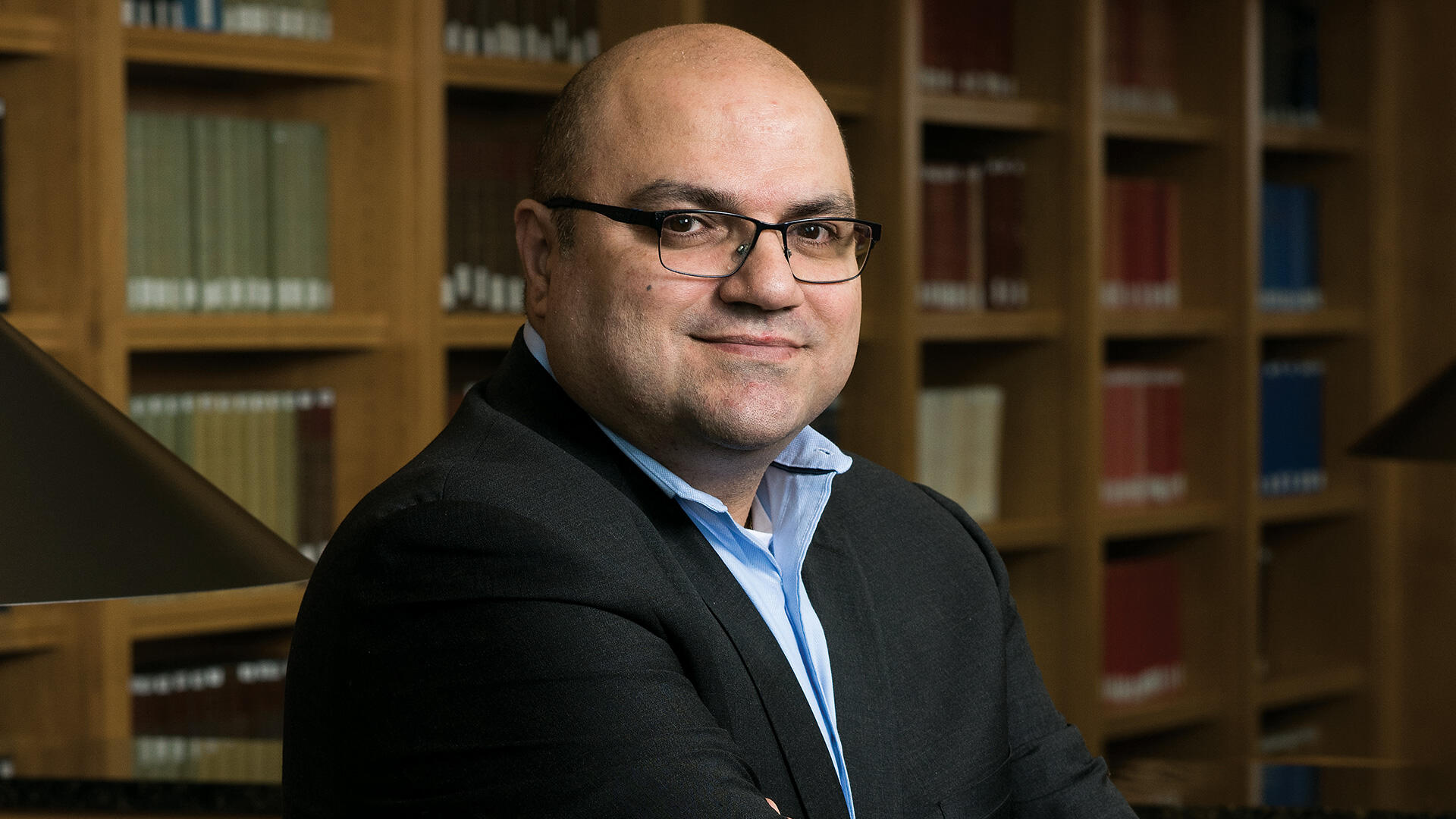
Vahan Zaroyan, born and raised in a village near Lake Sevan, had a completely different life. Not only did he know that cottage cheese was made from milk, but he also learned how to make it. Vahan first visited the city when he was 16 and later moved to Yerevan to continue his studies. As a geography teacher in Artsakh, he had to stop teaching because of the war and later became a teacher in the village of Kasakh.
“Sometimes children were surprised when I said that yogurt is connected to agriculture and farm life,” Vahan told the Weekly. “Since then, I’ve often thought that maybe this generation has never been as distant from nature as it is today,” added Vahan.
Vahan brainstormed the idea for a long time, but it required significant financial resources to implement. Eventually, he shared it with a friend, who encouraged him to begin and promised to help. In 2025, the first group of children from different parts of Armenia, Great Britain and even Australia spent seven days at the village camp. The rural environment is one of the best classrooms. Children should not only receive an education but also grow up with values and real-life understanding.
“I believe that sometimes parents should make the decision to give their children other opportunities by showing them another world,” Vahan recalls. “This will open their eyes to new perspectives and motivate them to appreciate people and the environment.”
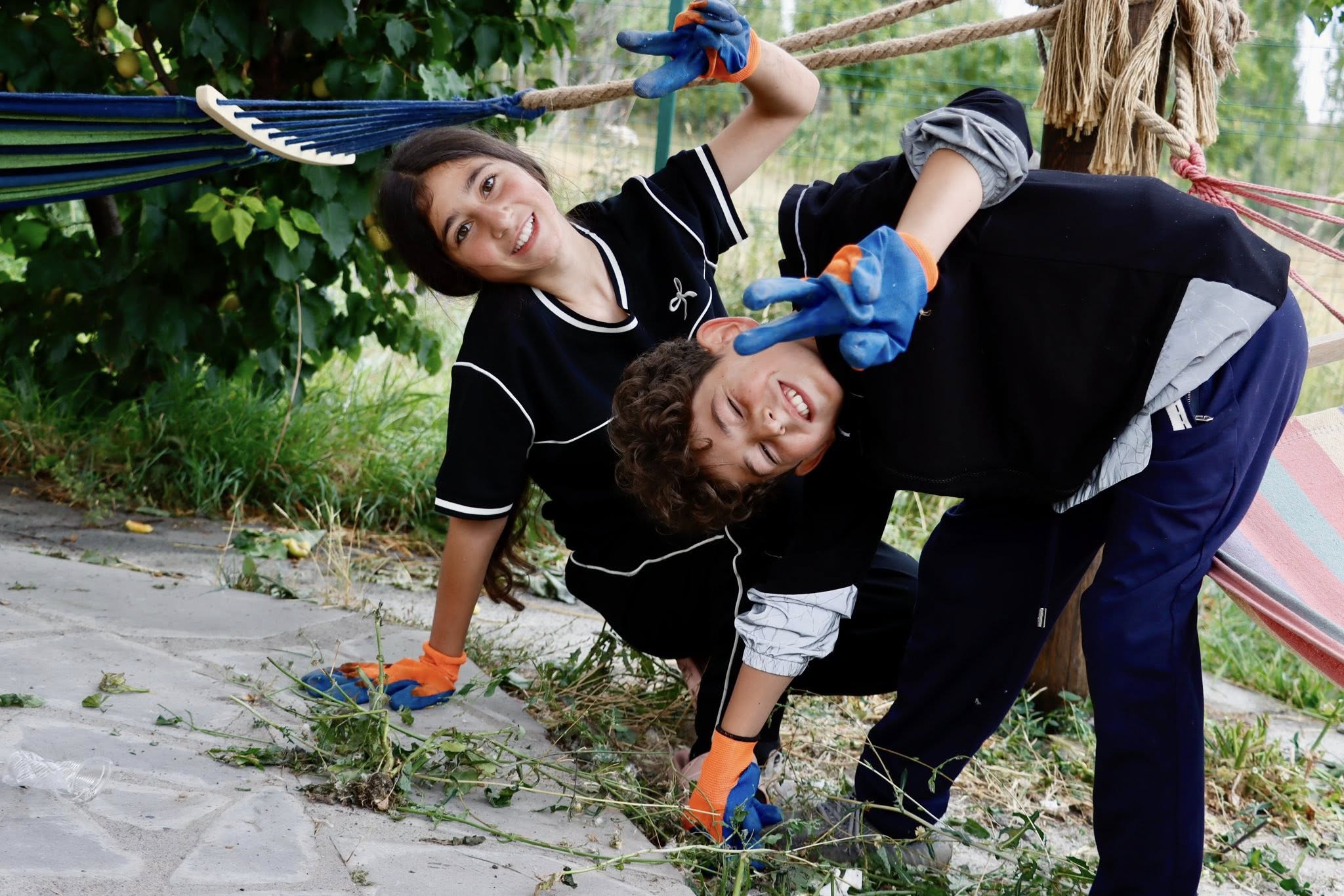
During the seven days of village life, children live in a camp building designed for their comfort. They milk cows, make cheese and yogurt, take part in honey harvesting, ride horses and work in the fields. They discover what the real world looks like.
Vahan, who spends the entire time with the children, observes not only changes in their mindset but also changes among villagers. The transformation is mutual: villagers see children who may differ from what they are used to. The Gegharkunik region, one of the most conservative parts in Armenia, does not accept change immediately, yet it is ready to adapt step by step. Vahan, who works with different NGOs as an expert, notices this contrast between the province and others across the country.
“The children we hosted from Great Britain loved wearing short skirts, and during the first days I noticed villagers whispering. But eventually they got used to it and saw that children whose opinions and behavior differ from theirs can share something new worth exploring,” Vahan told the Weekly.
Sometimes it’s difficult to reach children participating in the camp because they forget about smartphones and notebooks and fully immerse themselves in the activities. Many parents call Vahan and say they cannot reach their children and are surprised to learn how engaging their vacation is. Children do not learn about nature, farming and agriculture only through theory; they experience everything in the field. Vahan organizes classes during the camp in which children learn the theory and immediately put it into practice. In nature, everything has a beginning, a process and an outcome. Life is the same. If you plant a seed, you must care for it to produce a harvest. The same applies to relationships, goals and work in life.
“Because security is pivotal for us, our groups are never large; usually they include up to 10 children. My goal is not to gather as many children as possible. Instead, I prefer to provide high-quality experiences,” Vahan said.
Sometimes farmers are surprised that their everyday lives can inspire children from the city. But it gives value and recognition to their work. Children begin to understand that behind every product there is time, effort and care.
The camp is not free because it requires significant work and resources, but Vahan is searching for funding to make it free of charge. Children ages 10 to 15 can apply and spend time in the village fully exploring both the hard and happy moments of rural life.
Vahan says every child leaves the camp with a unique transformation that helps them become more independent, take responsibility for their behavior and appreciate what they have.
For many children, the village becomes more than just a place they visited for a week. It becomes a reminder that beyond screens and supermarkets there is a world where things grow slowly, where people work with their hands and where nature still teaches the most important lessons.