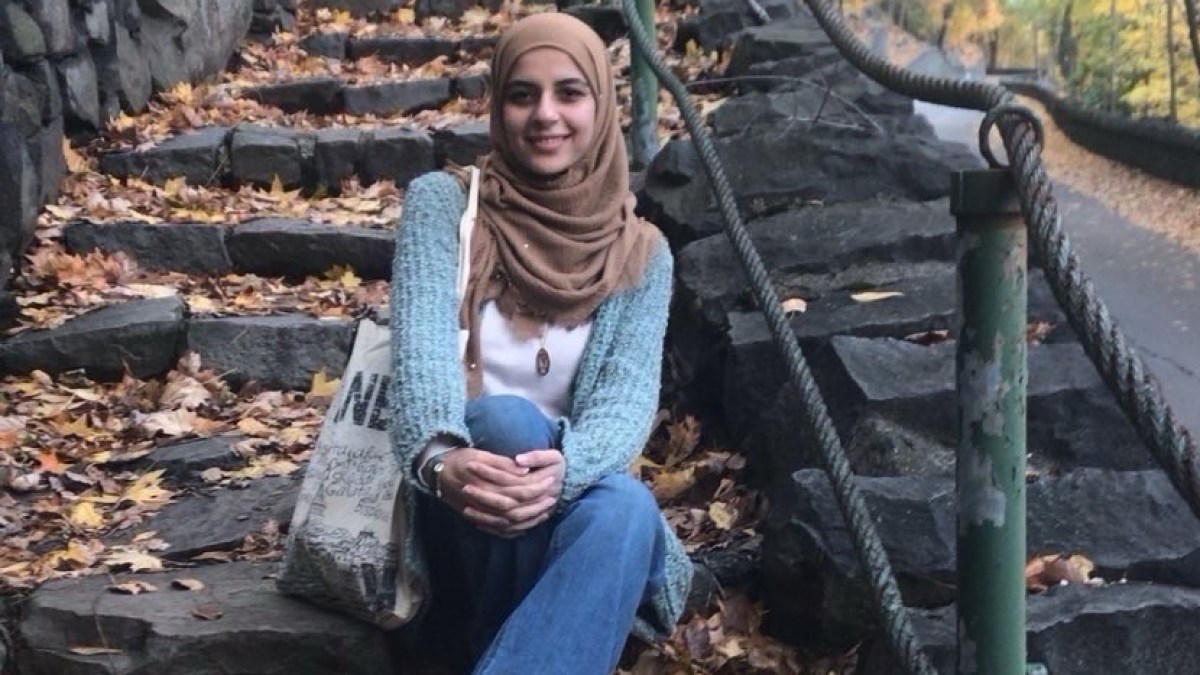
The 33-year-old Columbia University protester had been held in immigration detention centre for a year.
Listen to this article | 2 mins
info
Published On 16 Mar 202616 Mar 2026
Click here to share on social media
share2
Share
plus2googleAdd Al Jazeera on Googleinfo
Leqaa Kordia, a Palestinian woman detained in the United States after taking part in pro-Palestine demonstrations in 2024, has been released after a year in custody.
The 33-year-old, who grew up in the occupied West Bank before moving to the US in 2016, was held at a detention facility in the state of Texas since March last year.
“I don’t know what to say. I’m free! I’m free! Finally, after one year,” a smiling Kordia told reporters after leaving the detention centre on Monday.
An immigration judge had ruled that Kordia was eligible to be released on bond three times. Immigration officials appealed the first two rulings, but Kordia was freed on a $100,000 bond after government lawyers did not challenge the third.
After her release, Kordia said she was looking forward to going home and hugging her mother “so hard”. But she also said she would keep fighting on behalf of people still being held at the detention centre.
“There is a lot of injustice in this place,” she said. “There is a lot of people that shouldn’t be here in the first place.”
Kordia, who lost nearly 200 members of her family during Israel’s genocidal war against Palestinians in the Gaza Strip, was among several protesters targeted by immigration officials for taking part in pro-Palestine demonstrations at Columbia University in 2024.
Until Monday, she was the only person targeted in connection with the demonstration who was still in immigration detention after the release of others, including Mahmoud Khalil and Mohsen Mahdawi.
Kordia, who was held at Prairieland Detention Center in Alvarado, was recently hospitalised for three days following a seizure after fainting and hitting her head at the privately run detention facility.
At a hearing on Friday, Kordia’s lawyers said she had a neurological condition that had worsened while in custody, putting her at an elevated risk of seizure. They reiterated that she could stay with US citizen family members and did not pose a flight risk.
The immigration judge, Tara Naslow, agreed.
“I’ve heard testimony. I’ve seen thousands of pages of evidence presented by the respondent, and very little evidence presented by the government in any of this,” Naslow said.