When our family of four headed out for summer vacations, I’d throw some paperbacks in an old canvas bag just in case there was time to read. Life as a young husband and father seldom yielded those moments, but I was ready if a spare hour came while we sunned on the beach or lounged on a mountainside porch.
Summers are different now that our kids are grown. My wife and I no longer answer to the school calendar, so there might be years when we travel in other seasons and spend summers at home.
But even when my summer excursions are no more ambitious than a trip between the living room and den, I still carry my summer reading in a tattered tote sack. Habits tend to move along on their own momentum, needing no logic in their defense. But if called to explain why I keep my summer books packed, I might say that I’m preparing myself to go places.
Though I might not move beyond my armchair on warm afternoons, I lean into books each summer that have a strong sense of destination.
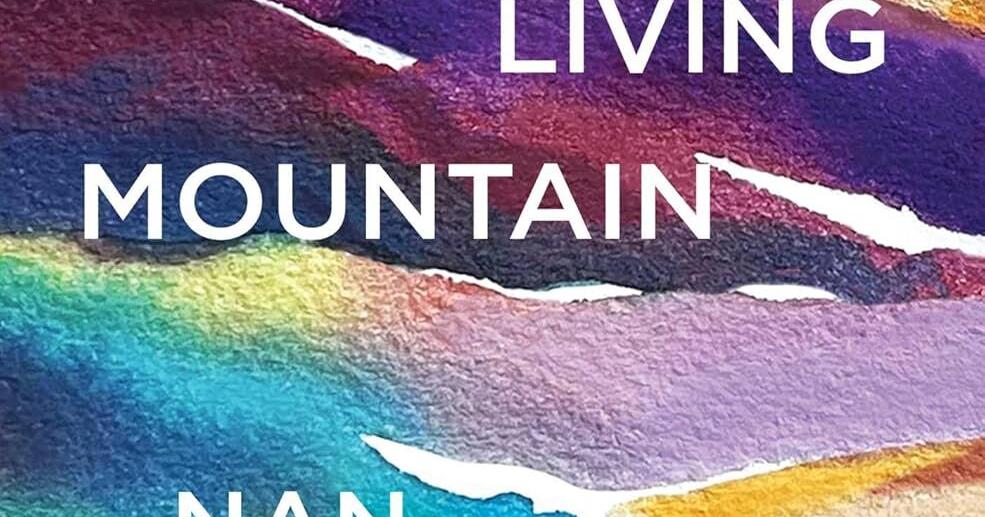
It’s in that spirit that I’ve been reading “The Living Mountain,” Nan Shepherd’s World War II-era memoir about her travels into the Cairngorm Mountains of Scotland. She encountered wonder in a wounded time — a nice reminder that wonder can still touch us, too.
In “The Friendship Bench,” Dr. Dixon Chibanda takes us to another faraway place, his native Zimbabwe. After witnessing so much grief and anxiety as a psychiatrist, Chibanda recruited 14 grandmothers to sit on park benches and listen to anyone with a problem. His program, documented in this remarkable new book, is a testament to what can happen when we open our ears and hearts to neighbors.
Ever since boyhood summers with “Robinson Crusoe,” I’ve been a sucker for castaway tales, which is how I ended up within the pages of “Save Our Souls,” Matthew Pearl’s true-life story of a 19th century shipwreck, some surviving passengers and the mysterious man who shares their new island home.
I’ll let you discover the rest.
As a BBC correspondent, Eliot Stein travels the world, often chronicling how locals keep alive customs as varied as talking to bees or repairing woven grass bridges. He’s collected the best of these stories in “Custodians of Wonder,” a book that’s as beautifully odd as it sounds.
“Beautifully odd” might also describe “Pink Dust,” Ron Padgett’s new collection of poems. The title refers to those little grains of rubber left on paper after an eraser rubs out mistakes. Padgett finds this trail of revision the most interesting thing on the page, which says a lot about his eye for lively little miracles. Even when he writes about small things, like freshly baked scones, he nudges you to see what’s ordinary in new ways.
Padgett takes us someplace new, the best summer reading of all.