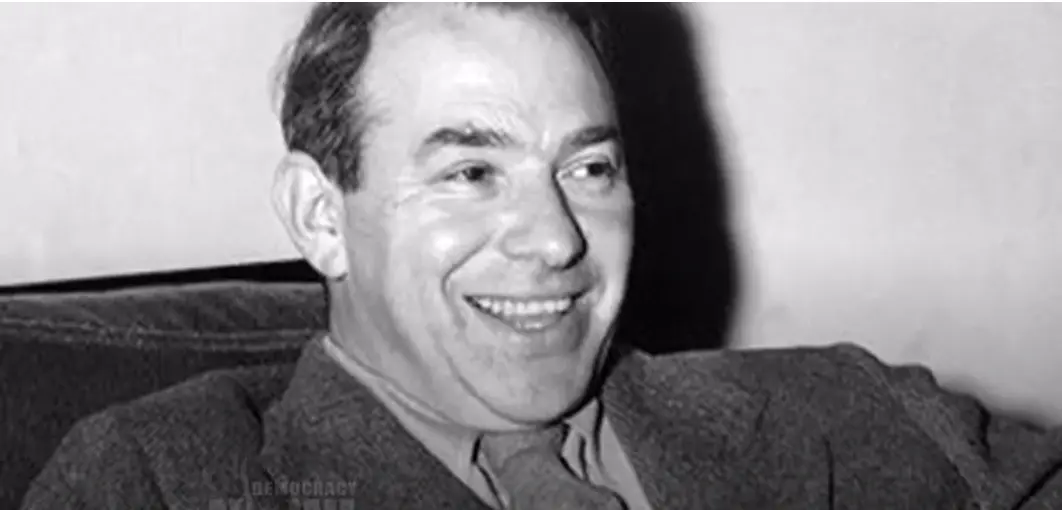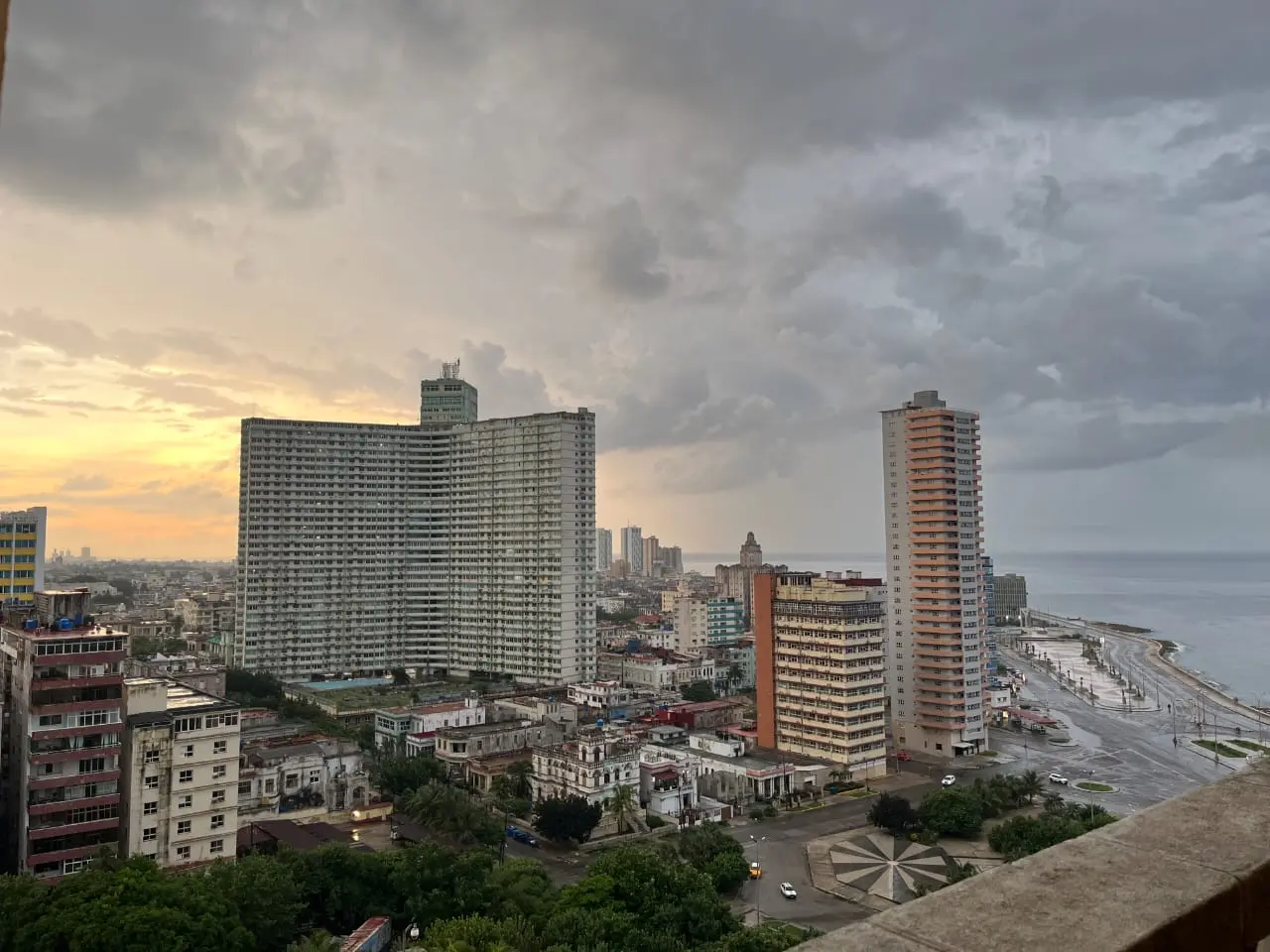
Lynn Cruz (AI-generated image)
By Lynn Cruz
HAVANA TIMES – A friend in New York sent me a photograph of a Tesla bearing a message in yellow letters: “Freedom for Cuba.”
Photo of the Tesla
I don’t know who was driving the vehicle or what connection its owner had to the island. The image made me think about the meanings that travel on four wheels and how a slogan becomes a political statement.
Tesla, Cuba, freedom. The vehicle was traveling through New York, but its symbolic destination lay elsewhere. Behind it loomed Elon Musk.
The apple of discord is no longer just Cuba. It is about who has the right to speak on its behalf, who can offer it freedom, and who decides what we should understand freedom to mean.
In Greek mythology, Eris, the goddess of discord, threw a golden apple bearing the inscription “To the fairest.” Three goddesses claimed the prize. Zeus entrusted Paris with making the choice; each goddess offered him something in return. His decision sparked the Trojan War.
The apple was an object of desire, a struggle for recognition, and a test of power.
Musk and the Theater of the Absurd
Although Musk has said he does not identify with MAGA, he traveled with Trump to the Philippines and China between November 16 and 19, 2026. The White House considered his economic and national security interests valuable in that context.
Elon Musk shaking hands with Donald Trump)
Donald Trump has Truth Social. Musk has X, Starlink, and Tesla. Images are manufactured, distributed, and commented on through these platforms.
The theater of the absurd emerged when traditional explanations ceased to be convincing. After World War II, playwrights such as Samuel Beckett and Eugene Ionesco portrayed a world in which words lost their meaning and characters found themselves trapped in situations with no way out.
And I return to Cuba. Virgilio Piñera wrote False Alarm in 1948, before the premiere of Ionesco’s The Bald Soprano. He did not need to imagine another universe to find the absurd: observing the contradictions of his own reality was enough.
Cuba, Connectivity, and Sovereignty
In Cuba, communications depend on a deteriorating state-run infrastructure. When blackouts leave thousands of people without a connection, access to an independent network takes on a significance that goes beyond technology.
I return to the Tesla in New York. A businessman wants to connect the planet from outer space; a president also governs through a social media platform; Cuba aspires to develop artificial intelligence while restricting access to satellite networks. Its inhabitants can barely have a say in the script.
In May 2026, the Ministry of Communications updated its regulations on the importation and use of telecommunications equipment, maintaining restrictions affecting services such as Starlink. In November, the Foreign Ministry reminded diplomatic missions that they were prohibited from importing or using Starlink terminals.
Cuba is not merely a matter of US foreign policy, nor should it become a stage for that country’s internal disputes. Who speaks for Cubans? From where? What does freedom mean to each of them?
In March 2026, the country suffered a nationwide blackout lasting more than 29 hours, and in September the electrical grid collapsed again. Technological sovereignty cannot be separated from the material conditions of the population.
Cuba Wants to Develop Artificial Intelligence
AI-generated image from a Cuban office
In 2024, Cuba presented its Digital Transformation Policy, Digital Agenda, and Strategy for the Development and Use of Artificial Intelligence.
The strategy encompasses six areas: ethics, human capital, applications, public administration, science, innovation, and communication. It prioritizes healthcare, agriculture, education, banking, and tourism.
However, UNESCO’s assessment of Cuba’s readiness identifies several obstacles: a shortage of researchers, low spending on research, inadequate computing infrastructure and data centers, limited connectivity, and a lack of specific legislation. There are also academic initiatives, such as the University of Havana’s bachelor’s degree program in Data Science.
How can an island develop artificial intelligence when its inhabitants suffer prolonged power outages, struggle to access the Internet, and cannot freely use certain connectivity infrastructures?
The Physical Body of Artificial Intelligence
Artificial intelligence seems to offer a world without borders, yet it depends on a physical infrastructure: buildings, offices, and data centers. It consumes energy and water, resources that Cuba cannot guarantee to its entire population.
How should these resources be distributed? Where do people living in extreme poverty and the protection of forests, natural parks, and freshwater reserves fit into the picture?
Photo of Trump, Xi Jinping, and Vladimir Putin
Nor is Cuba outside the rivalry between the United States and China. Its geographical location, its relations with Beijing, and the controversies surrounding possible electronic intelligence facilities add another dimension. These facilities are not commercial data centers, although both types of infrastructure are part of the struggle over control of information and who decides how it is used.
In the United States, people are asking who will pay for the electricity consumed by data centers and who will decide what gets built in each community.
This is not merely a technological debate, but a political, economic, and territorial one.
Sovereignty and the Rules of the Game
Can we speak of sovereignty in a world where connectivity, information, and even the conditions necessary to develop intelligence increasingly depend on infrastructure controlled by others?
The absurd has never been so close: officials talk about sovereignty, modernization, and intelligence; we Cubans try to find an Internet connection.
But there is another dispute: who has the right to write the rules of artificial intelligence? Latin America uses technologies and adopts regulatory frameworks designed elsewhere yet participates on unequal terms in the forums where digital governance is decided.
A person can be evaluated by an algorithm or eliminated from a hiring process without knowing who established the criteria. The decision appears to come from a machine, but its rules were devised by someone.
Now the apple is circulating once again. Cuba is being fought over by those who claim to know the path to its freedom. Artificial intelligence is another arena of competition between states and corporations offering their own versions of progress. As in the myth, there is no shortage of those who aspire to decide who deserves the prize.
Read more from the diary of Lynn Cruz here on Havana Times.