by Roxanne Thompson
- Southern Electrical questions NIS sick leave rules
- GTUC calls for pension increases and retirement age alignment
- NIB signals possible policy reviews
Grenada’s National Insurance Scheme (NIS) is being urged to reconsider aspects of its regulations that may be creating difficulties for employers and workers, including the threshold for sickness benefits, pension increases and the retirement age. Representatives of the business and labour sectors raised the issues during the National Insurance Board’s (NIB) annual stakeholder engagement session, where discussions highlighted gaps between existing NIS rules and the realities facing employees and businesses.
Representing Southern Electrical, HR Manager Sue-Ellen Duncan questioned the requirement for employees to be sick for at least 4 days before qualifying for NIS sickness benefits. Under Grenada’s labour laws, workers can take up to 2 days of uncertified sick leave without providing a medical certificate. However, Duncan explained that the difference between the 2 requirements creates difficulties for small businesses. Employees who are absent for 3 days do not qualify for NIS benefits and may therefore seek medical certificates covering a full week to meet the scheme’s eligibility requirement. She said this practice can result in longer absences and additional pressure on businesses that must manage with fewer employees.
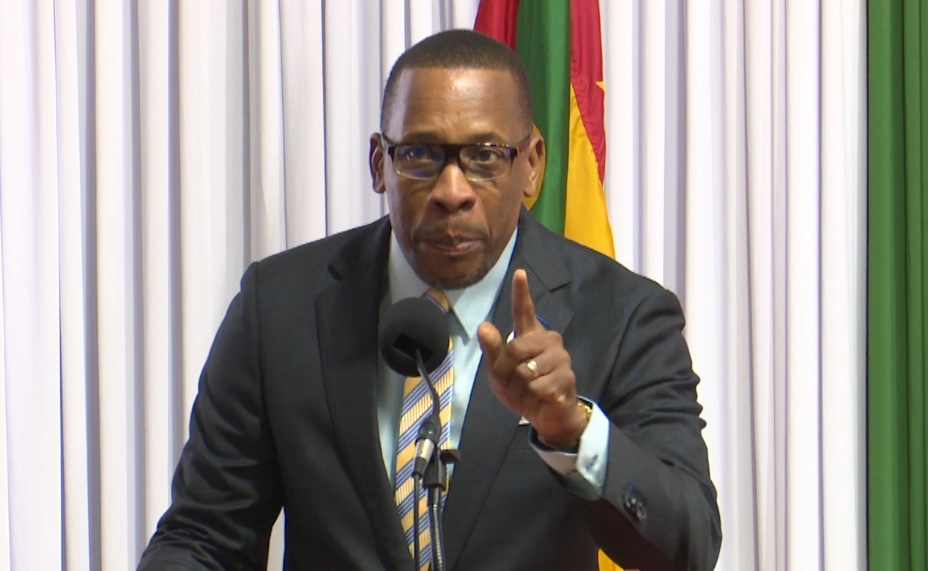
NIS Director Dorsett Cromwell explained that social security schemes commonly use waiting periods to reduce the administrative burden of processing large numbers of short-term claims. However, he acknowledged Duncan’s concerns, describing the existing threshold as a man-made policy. Cromwell said the NIB would re-examine the requirement and consider whether sickness benefit coverage could begin from the 3rd day of illness. The discussion also turned to the financial security of workers approaching retirement, with former senator Andre Lewis, President of the Grenada Trades Union Council (GTUC), raising concerns about pension payments and the age at which employees can leave the workforce.
Lewis pointed out that NIS pensioners have not received a general increase in benefits since 2006, despite the rising cost of living. He called for pension indexation, which would allow benefits to be adjusted periodically to reflect changes in living costs. He also highlighted the gap between the NIS pensionable age, which is being gradually increased from 60 to 65 by 2028, and retirement policies that still require many public and private sector employees to leave their jobs at 60. This can leave workers facing a 5-year period before reaching the age for their full NIS pension entitlement, with early retirement potentially resulting in reduced payments. Lewis urged employers to align their retirement policies with the revised pensionable age while preserving workers’ choice to retire earlier.
NIB Chairman Philbert Lewis supported the labour representative’s concerns, confirming that the board is pursuing a pension indexation policy to address the erosion of pensioners’ purchasing power. On retirement age, he said the NIB had previously recommended that the government set 65 as the statutory national retirement age. He said a common national standard was necessary to prevent workers from being forced into retirement before they could access their full pension benefits. The discussions focused on how existing social security rules and workplace policies interact, and on the need for any changes to reflect the circumstances of both workers and employers.
NOW Grenada is not responsible for the opinions, statements or media content presented by contributors. In case of abuse, click here to report.