by Roxanne Thompson
- GIS outlines new arrangements for parliamentary media access
- MWAG calls for meaningful engagement and greater transparency
- MWAG renews its call for Freedom of Information legislation
The Government Information Service (GIS) is working with the Office of the Houses of Parliament to introduce a more structured system for media access to parliamentarians, including designated interview arrangements and improved access to parliamentary proceedings.
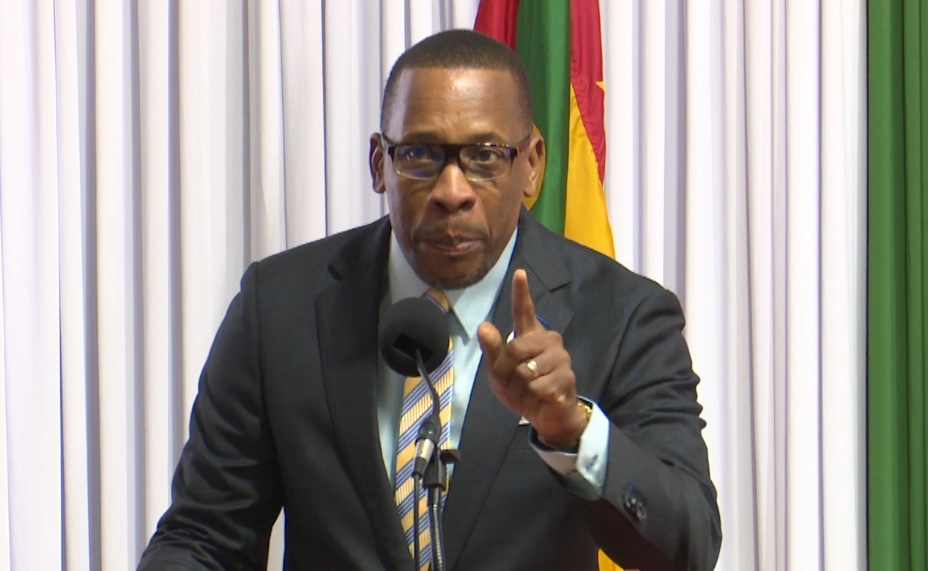
GIS Director Jason Phillip outlined the plans during an informal virtual meeting with journalists on Thursday, 26 November, ahead of the ceremonial opening of the First Session of Grenada’s 12th Parliament on Monday, 30 November. The initiative follows Prime Minister Dickon Mitchell’s 8 November commitment to improve journalists’ access to government officials. Speaking at a press conference after his swearing-in ceremony, Mitchell acknowledged that media practitioners may have been dissatisfied with access during his previous term. “We look forward to engaging with the media more robustly. If members of the media were disappointed over the last 4½ years that they didn’t have sufficient or adequate access to members of parliament or the cabinets, we will undertake to improve upon that over the next 5 years,” he said. The Media Workers Association of Grenada (MWAG) welcomed the commitment.
For Monday’s opening, journalists will be able to interview members of both the Senate and the House of Representatives in the parliamentary conference room after the ceremony. Parliamentarians will be brought into the room in groups of approximately five or six, allowing journalists to ask questions within a limited timeframe. Phillip said the arrangement would reduce the need for individual media houses to approach the same parliamentarians separately, while allowing members to attend to other scheduled commitments. He explained that the changes were intended to address difficulties experienced during previous media engagements, including security concerns, congestion within the parliamentary compound and challenges conducting interviews in unsuitable locations. For subsequent sittings, journalists will be able to request interviews with particular parliamentarians through Phillip, who will initially serve as the main contact, with other GIS personnel providing support. A more permanent system, including alternative contact arrangements, is expected before the next sitting.
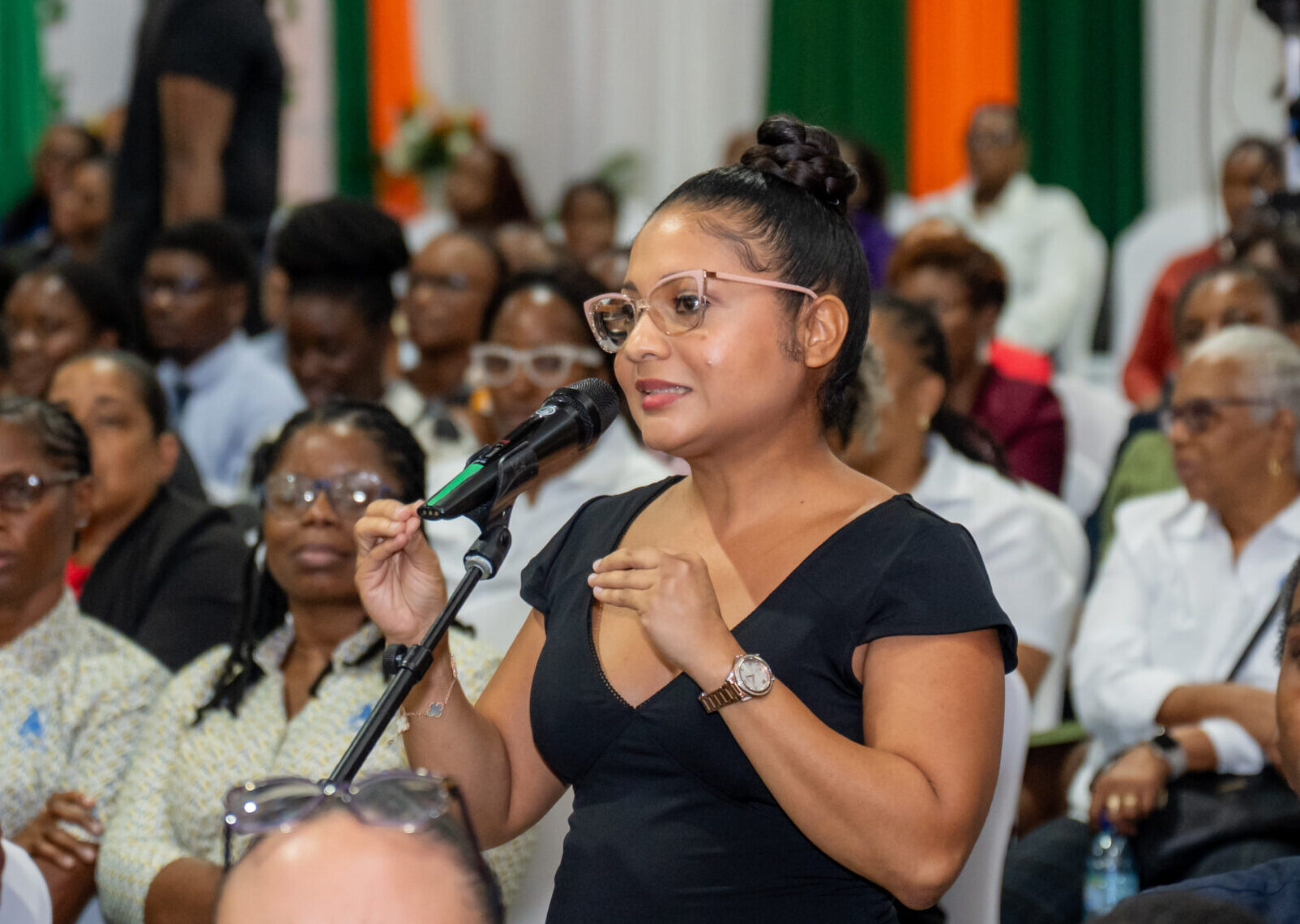
For MWAG, however, better access must extend beyond scheduled opportunities to interview government representatives. President Calistra Farrier has called for meaningful and sustained engagement, including prompt responses to journalists’ calls and emails to ministers and permanent secretaries, as well as press briefings when major national issues arise. She has also stressed that news conferences should allow enough time for questions, including those outside the topics officials initially outline. Farrier has previously criticised instances in which journalists seeking information were directed to the prime minister’s social media pages instead of receiving direct responses. She has maintained that journalists must be able to pursue their own lines of questioning, rather than having government officials determine the scope of their enquiries.
Alongside the proposed interview arrangements, GIS is also looking at ways to improve media access to parliamentary proceedings. Phillip said the service would provide sign-language interpretation during Monday’s broadcast and could make direct video feeds available to media houses that prefer not to use social media coverage. Direct live audio feeds for radio stations are also being explored. GIS is further developing an online media portal, expected to become available in 2027, which is intended to improve journalists’ access to government information, event coverage and raw footage. These measures could expand the resources available to newsrooms, although the wider question of access to government information remains an important part of MWAG’s advocacy. The association is also renewing its call for Freedom of Information legislation, which Farrier has identified as an important tool for journalists and citizens seeking public records and information.
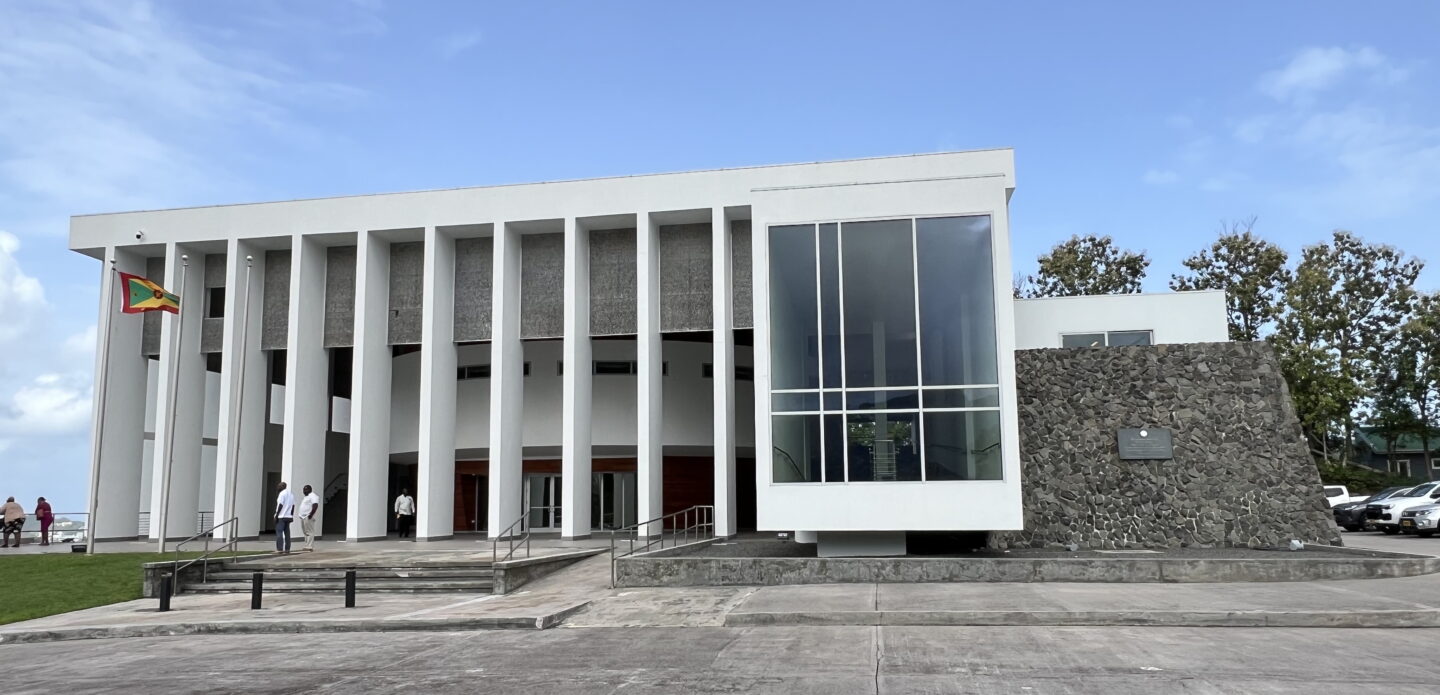
The ceremonial opening will take place at the Parliament Building at Mt Wheldale, St George’s, with Governor-General Dame Cécile La Grenade expected to deliver the Throne Speech outlining the government’s legislative agenda and priorities for the new session. The National Democratic Congress (NDC) secured 14 of the 15 elected seats in the 5 November general election, returning to office for a second consecutive term. As the new Parliament begins its work, the proposed arrangements will provide an early opportunity to assess whether the administration’s commitment translates into more consistent access and greater opportunities for independent scrutiny.
Farrier said MWAG remains willing to work with the administration but emphasised that “a strong relationship must be built on mutual respect, institutional transparency and an understanding that greater access does not mean less scrutiny.”
NOW Grenada is not responsible for the opinions, statements or media content presented by contributors. In case of abuse, click here to report.