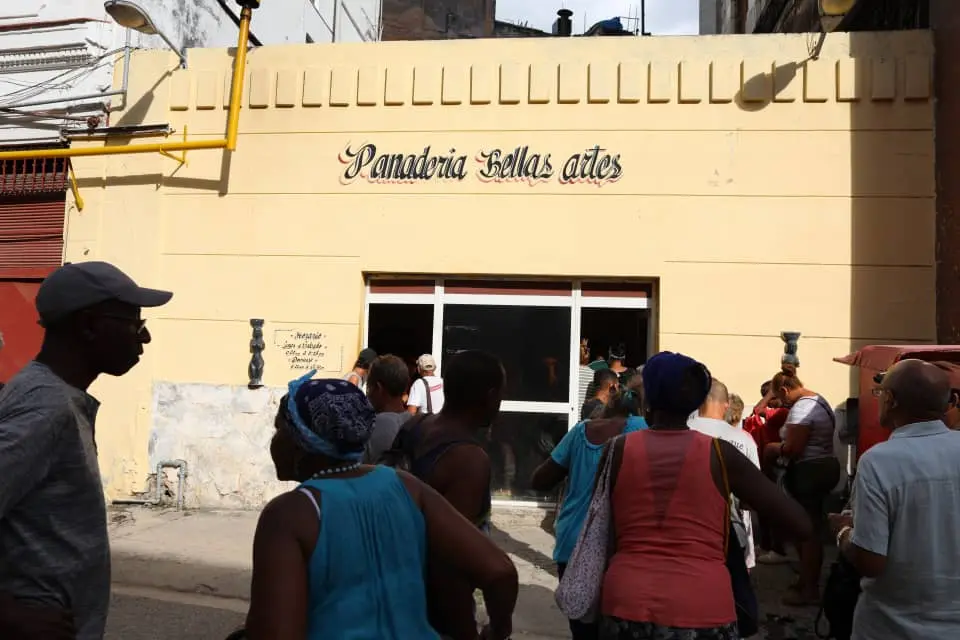
Products paid for abroad and delivered to homes.
By Safie M. Gonzalez
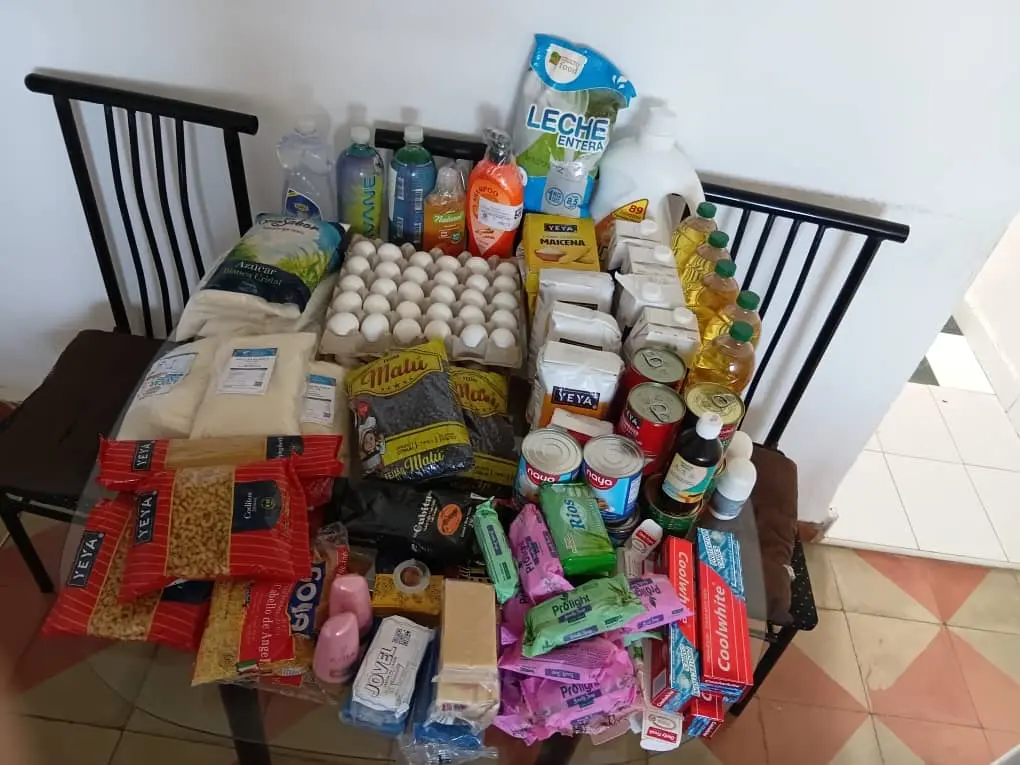
HAVANA TIMES – On an iron chair and a blue sofa with worn upholstery, survival is displayed in plastic. A tray of thirty eggs, bottles of cooking oil, bags of powdered milk, Yeya pasta, Rios rice and canned goods form a pyramid that, at first glance, looks like a middle-class family’s groceries for the month. To one side sits the coveted La Excelencia toilet paper, Fox detergent and Coolwhite soap. On the floor, green mesh bags reveal malanga, sweet potatoes and plantains.
This is not the bounty from a miraculous ration store, nor the result of a carefully planned shopping trip to a local market. It is a supermarket package paid for abroad.
The transaction did not take place in Havana. It happened through a screen in Miami, Madrid or Santiago de Chile. A click, a credit card, a Zelle transfer or a cash payment at a shipping agency. Across the sea, a relative or friend put together the package, selected the brands and paid in foreign currency so that, days later, a “mule” or a delivery truck would drop off this shipment of food and hygiene products at the doorstep of a Cuban home.
This is the new anatomy of Cuba’s basic basket of goods: a household economy no longer governed by state salaries, but by the wallets of the diaspora and the exchange rate.
The Luxury of Basic Necessities
This type of grocery combo package is a barometer of the crisis. A decade ago, a shipment from abroad usually included clothes, shoes, perfumes or household appliances. Today, the priorities are eggs, cooking oil and toilet paper. The diaspora has become the de facto “Ministry of Food” for thousands of households, sending what cannot be guaranteed locally.
The irony lies in the brands. Products such as Yeya rice or La Excelencia toilet paper are notorious among Cuban consumers for their poor quality or local packaging processes. Yet when included in a package paid for abroad, they acquire the status of a privilege. Having a pantry stocked with these products means having a relative who makes sacrifices, working overtime abroad to ensure that detergent or powdered milk does not run out back on the island.
The Divide of Plastic and Cardboard
This reality also illustrates the social inequality eating away at the island. While packages of pasta and canned goods pile up in some households, in others survival depends on the informal market, where prices are beyond people’s reach.
The grocery package paid for abroad is a lifeline, but also a marker of social class. For those who receive it, it offers the peace of mind of knowing that their protein and hygiene needs are covered for a month. For those who have no one abroad, it is a reminder of their economic isolation. In Cuba today, family solidarity crosses oceans, but it also leaves many stranded on the shore.
The Business of Survival
Behind this domestic scene lies a commercial machinery. Shipping agencies have perfected the model of grocery packages known as “combos” (Combo A, Combo B, Executive Combo). They offer emigrants the convenience of choosing a preassembled package—with eggs, grains, cooking oil and hygiene products—and paying for it securely.
This model has transformed consumption. Families in Cuba no longer ask for what they need; they adapt to what the package offers. Standardization has turned grocery shopping into a lottery in which those who pay get to choose, and those who receive make do with what they get.
In the middle of the living room, the package waits to be unpacked. Every can, every roll of toilet paper is a reminder of distance and of love packaged for delivery. But it is also evidence of a country where daily survival has been outsourced abroad, and where a packet of detergent or a simple bag of root vegetables and plantains has become the most precious of treasures.
Read more from the diary of Safie M. González aquí en Havana Times.