by Roxanne Thompson
- 90-page climate adaptation guide launched at COP31
- Guide outlines practical steps to reduce climate risks
- Revised national plan estimates US$572 million in implementation costs
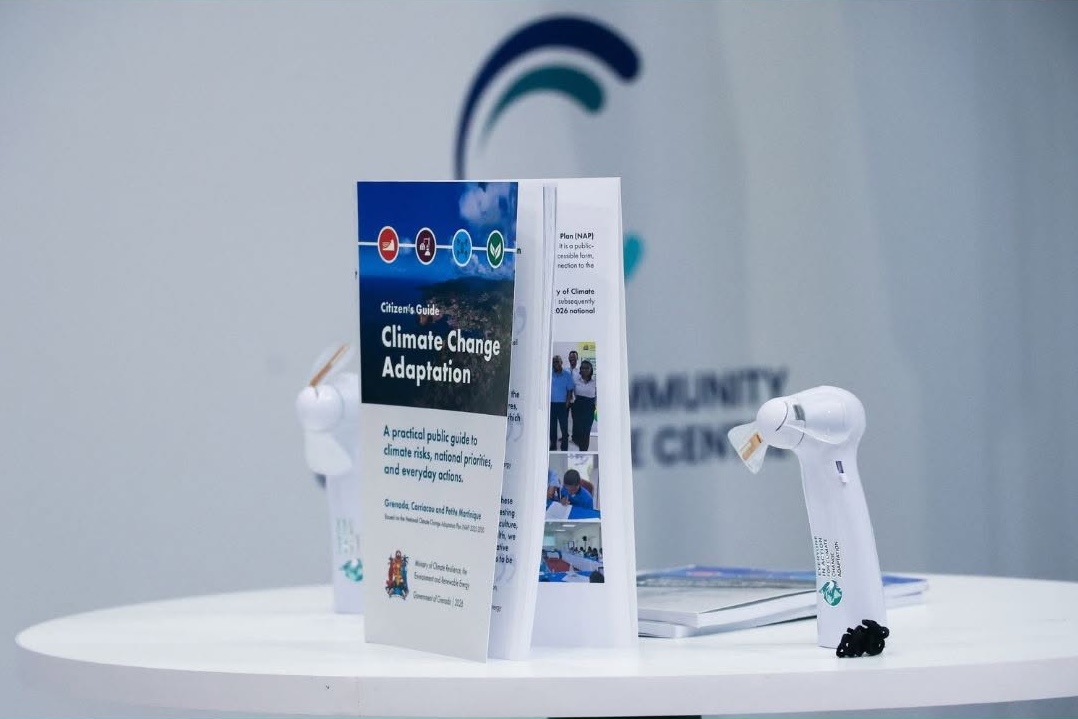
Grenada has taken its climate adaptation message to the 31st United Nations Climate Change Conference (COP31) in Türkiye with the launch of a 90-page Citizen’s Guide to Climate Change Adaptation.
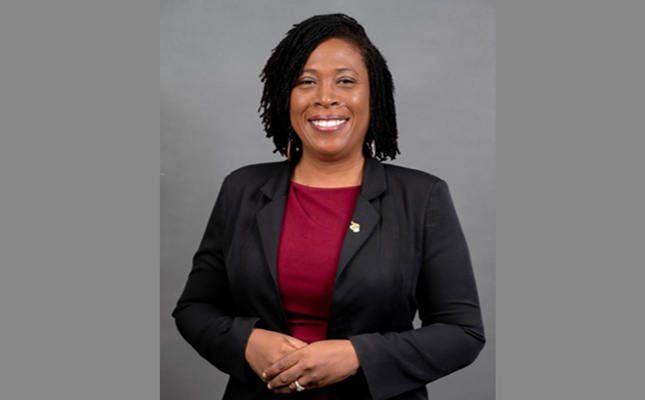
Launched at the Caricom Pavilion on Tuesday, 17 November, the publication is intended to help residents of Grenada, Carriacou and Petite Martinique better understand the risks associated with climate change and what they can do to prepare for them. Dr Roxanne Graham-Victor, National Climate Change Adaptation Officer, led the development of the guide and served as its principal author, overseeing the drafting, consultation, revision and validation process. Rather than focusing only on national policies and plans, the guide translates climate adaptation priorities into practical information for individuals, households, businesses, schools and community organisations.
The recommendations include conserving water, strengthening homes, protecting natural coastal barriers and improving preparedness for extreme weather events. These are issues that affect everyday life, particularly here in Grenada, where farmers depend on reliable weather conditions, households need access to adequate water supplies, and coastal communities such as Gouyave and Soubise, for example, face the effects of storms and rising sea levels.
Opening of the Third Regional Workshop of Multi-Actor Partners. Photo: Roxanne Thompson
Grenada’s approach to climate adaptation has been developing for several years. The country began its National Adaptation Plan (NAP) process in 2015, with the Cabinet approving its first National Climate Change Adaptation Plan in November 2017 following consultations involving more than 160 stakeholders. The revised National Adaptation Plan 2025–2030 now outlines 14 programmes of action, with an estimated implementation cost of US$572 million.
The need for these measures has been reinforced by Grenada’s experience with major hurricanes, including Ivan in 2004, Emily in 2005 and, more recently, Beryl on 1 July, 2024. Hurricane Beryl caused extensive damage across Carriacou and Petite Martinique, with a World Bank assessment estimating approximately US$218 million in direct economic losses, equivalent to 16.5% of Grenada’s 2023 gross domestic product. Beyond the damage to buildings and infrastructure, disasters can leave farmers without crops or the resources to replant, fisherfolk without boats and equipment, and households facing unexpected expenses to repair their homes and replace essential belongings.
The financial challenges associated with recovering from disasters were also discussed during the Third Regional Workshop of the Multi-Actor Partnership on Climate and Disaster Risk Finance and Insurance, held last week at Coyaba Beach Resort on 11 and 12 November. Hosted by the Caribbean Policy Development Centre (CPDC), the workshop brought together representatives from government, civil society, academia and other organisations to discuss ways of strengthening financial protection against climate-related disasters. CPDC Executive Director Richard Jones highlighted research indicating that 79% of surveyed civil society organisations serving vulnerable groups across 5 Caribbean countries had no dedicated budget for disaster recovery. He pointed to the difficulties faced by farmers who lose their produce and the resources needed to plant again, as well as fisherfolk whose damaged equipment can interrupt their income.
Grenada’s National Disaster Coordinator Dr Terence Walters emphasised the importance of public involvement in disaster preparedness. He noted that while hazards may be natural or human-made, people’s actions and inactions can contribute to disasters, making access to information and the ability to respond to early warnings important parts of preparedness. The newly launched guide seeks to make that information more accessible, recognising that preparing for climate-related risks requires more than national policies and government programmes. Households, businesses and communities also have a role to play in reducing their exposure to those risks.
The full Citizen’s Guide to Climate Change Adaptation is available through the Government of Grenada’s Climate Resilience Portal.
NOW Grenada is not responsible for the opinions, statements or media content presented by contributors. In case of abuse, click here to report.