RIO DE JANEIRO — Beneath the surface of Brazil’s coastal waters, a silent invasion is transforming marine ecosystems.
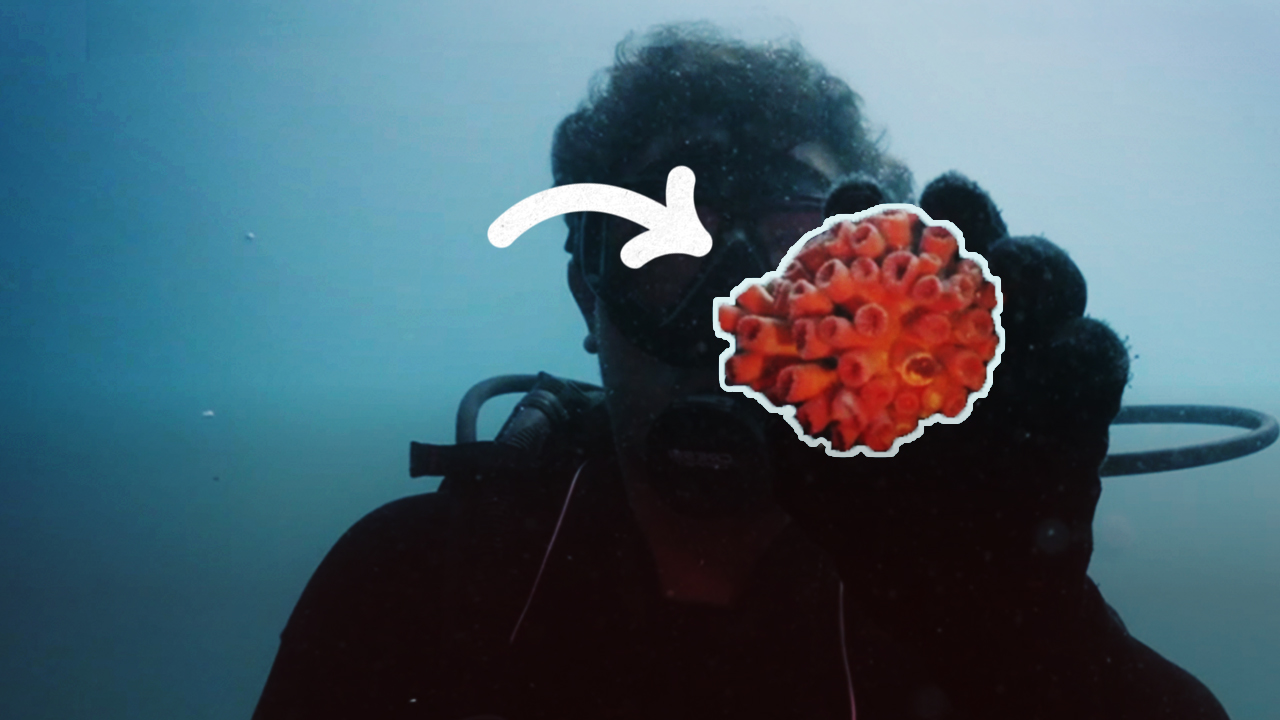
Sun coral (Tubastraea coccinea and Tubastraea tagusensis), an invasive coral native to the Indo-Pacific, is spreading along Brazil’s coastline, threatening native species.
First seen in Brazil in the 1980s, attached to an offshore oil platform in Rio de Janeiro state, sun coral has since spread rapidly. Estimates suggest it can expand at 2 kilometers (1.2 miles) rate per year and is now found along approximately 3,500 kilometers (2,175 miles) of the Brazilian coast.
Without any natural predators to keep it in check, sun coral can quickly dominate rocky reefs, outcompeting native species for space. It also releases chemicals that harm neighboring corals, including Brazil’s native brain and star corals.
The consequences ripple through the entire ecosystem. As sun coral takes over, small reef-dwelling organisms can disappear, and fish populations may decline. Research suggests that once sun coral covers 45% of a rocky reef, its ecosystem may already be profoundly altered.
But Brazil has been fighting back. In 2018, the country created a National Plan to prevent, control and monitor the invasion, bringing together scientists, conservationists and public authorities in an effort that could offer valuable lessons for other countries.
On the front line is Adriana Gomes, a marine biologist with Brazil’s Chico Mendes Institute for Biodiversity Conservation (ICMBio). Alongside a team of volunteer divers, she is removing sun coral colonies one by one from the waters surrounding the Cagarras Islands, a protected marine area just 5 kilometers (3 miles) off Rio de Janeiro’s iconic Ipanema Beach.
Home to an extraordinary diversity of marine life, the archipelago has been designated a Hope Spot — a place recognized as critical to ocean health.
Watch our video to follow their underwater mission and discover what it takes to protect Brazil’s marine biodiversity.
Mongabay’s Video Team wants to cover questions and topics that matter to you. Are there any inspiring people, urgent issues, or local stories that you’d like us to cover? We want to hear from you. Be a part of our reporting process—get in touch with us here!
Banner image: Diver holding a sun coral. ©Louise Raulais
Turning the tables on invasive lionfish: How Honduran divers are fighting back