The US Congress and Cuba.
By La Joven Cuba
HAVANA TIMES – The midterm elections will not immediately change US policy toward Cuba, but they open up a two-year horizon. Trump’s electoral setback could be the first step toward a return to Obama’s policy, something political groups on both sides of the Florida Straits should prepare for.
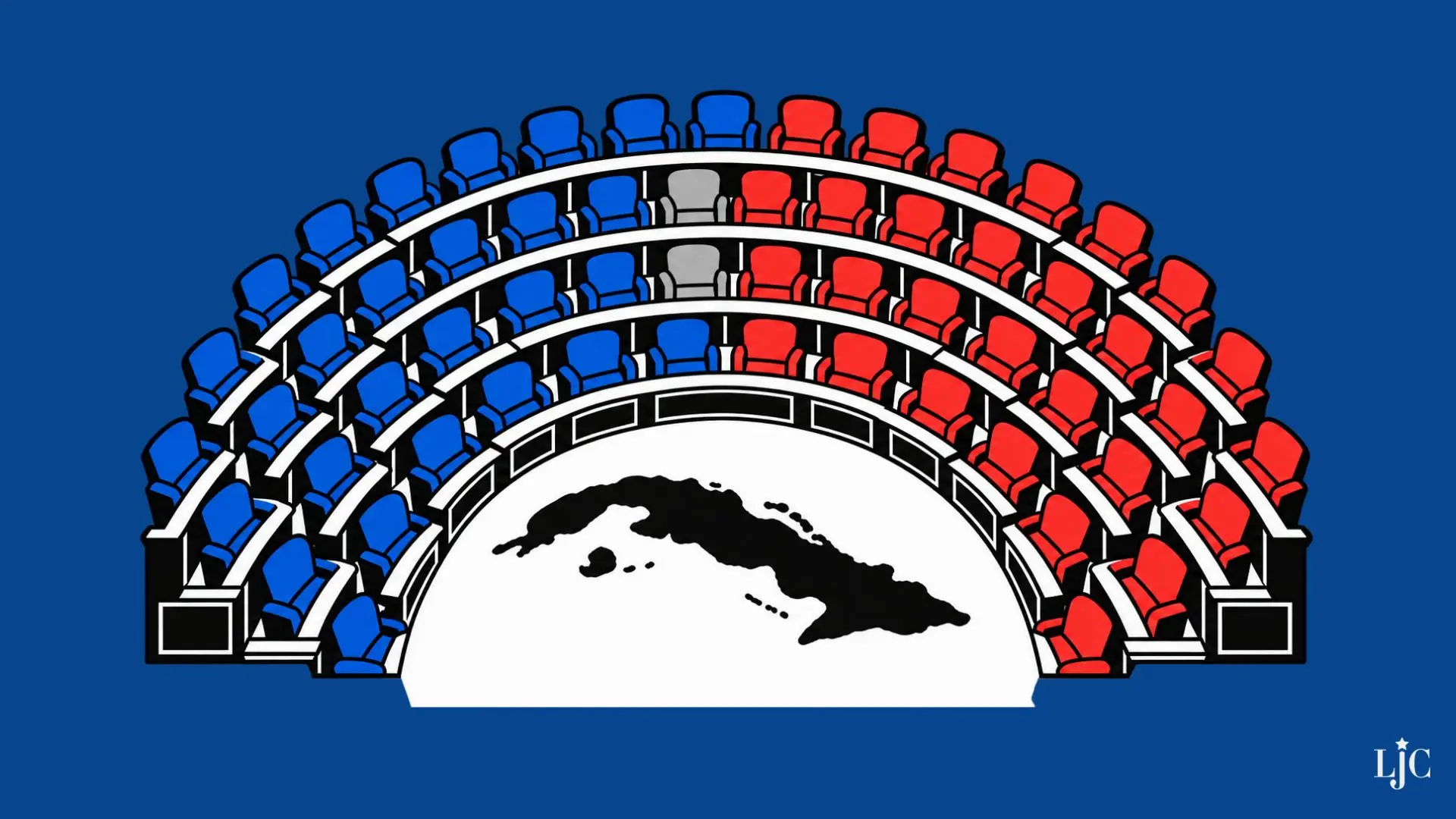
The Democratic Party won majorities in both the Senate and the House of Representatives, where, until now, the Republican advantage had allowed President Donald Trump to carry out his legislative agenda without too many challenges or checks and balances. The Democrats, whose demise many had predicted, are regaining their place in institutional politics, which they will use to try to achieve significant gains as the opposition ahead of the 2028 presidential elections.
The most significant change for Cuba could come in congressional committees. With the new Democratic majority, Gregory Meeks could chair the House Foreign Affairs Committee and Joaquin Castro the Western Hemisphere Subcommittee, until now headed by Maria Elvira Salazar. Both have questioned the policy of maximum pressure against Cuba, which could translate into greater oversight of the executive branch and more room to discuss alternatives for engagement, although their main priority will be to block and reverse the work of the current administration.
However, the results of these elections, by themselves, have little direct impact on Washington’s policy toward Cuba, since that policy is conducted primarily by the executive branch, requires little congressional approval, and is not a priority issue in election campaigns or domestic politics in the United States.
For now, Marco Rubio, at the State Department, remains one of the principal architects and implementers of US policy toward Cuba. However, according to analyst Carlos Alzugaray, his continuation in office could depend on his own political ambitions ahead of the 2028 presidential elections, potentially opening the door to a less aggressive stance toward Havana.
Alzugaray states: “A US policy against Cuba without Marco Rubio at the State Department could lose intensity. I tend to think Rubio will look for a way to leave the Trump administration while preserving his image as one of the most effective members of the cabinet, without falling into the extremism of others. His path to the presidency, by entering the race next year for the 2028 Republican nomination, could be very risky because he would be up against J.D. Vance, who has certain advantages.
“Rubio may decide that entering that contest is not in his best interest because the chances of losing are high. And even if he wins the primaries, he would enter the 2028 election burdened by Trump’s record, which could be disastrous over the next two years. That is why it would make sense for Rubio to leave the administration. He might even choose to wait until 2032, allowing some time to pass and building a new political platform from which to seek the Republican nomination.”
Meanwhile, in Florida, Cuban-American Republican members of Congress Maria Elvira Salazar, Mario Díaz-Balart, and Carlos Gimenez retained their seats, although by much narrower margins than in 2024. While the state remains a Republican stronghold, these results reveal an erosion of Trump’s support among segments of Latino and Cuban voters, primarily because of his immigration policies, which have affected a historically privileged community whose members could hardly have imagined ending up in detention centers or being deported to third countries.
Midterm elections serve as a measure of public satisfaction two years into an administration. For several months, most reputable polls had been predicting a comfortable Democratic victory, reflecting above all the tremendous dissatisfaction with the rising cost of living, particularly fuel prices.
This will be the central focus of a Congress now dominated by Democrats, who will hold the most combative Republican administration they have faced in decades to account, not only on economic matters but also on social issues, healthcare, immigration, inclusion, and every other major issue on the agenda.
A Democratic Congress will be able to scrutinize and challenge the White House and State Department’s policy toward Cuba more closely, but it will not actually change that policy.
In the short term, this will have little impact on Cubans living on the island. Nevertheless, it should not be dismissed, considering that it could mark the beginning of a change in the political climate, led by a Democratic Party that appears to be keeping pace with a new generation of millennial politicians, people of color, and socialists. Meanwhile, many of Trump’s staunchest supporters are taking note and beginning to retreat from their previous positions in order to be as well positioned as possible for the 2028 presidential elections.
On the other hand, the claim repeatedly made by Trump and Rubio that Havana is “about to fall” has shifted to “that will take some time,” as the Cuban government withstands economic pressure without showing signs of instability so far. This is despite the enormous social and human cost of the maximum-pressure policy, which ultimately falls on the most vulnerable sectors of society.
The most unpredictable period lies between now and January 3, 2027, when the new Congress takes office. For Cuba, the worst-case scenario would be direct military action, although that possibility has also faded following the debacle in Iran. The cost of failure or a prolonged stalemate on the island would represent too great a risk for questionable short- and medium-term benefits, both economically and politically.
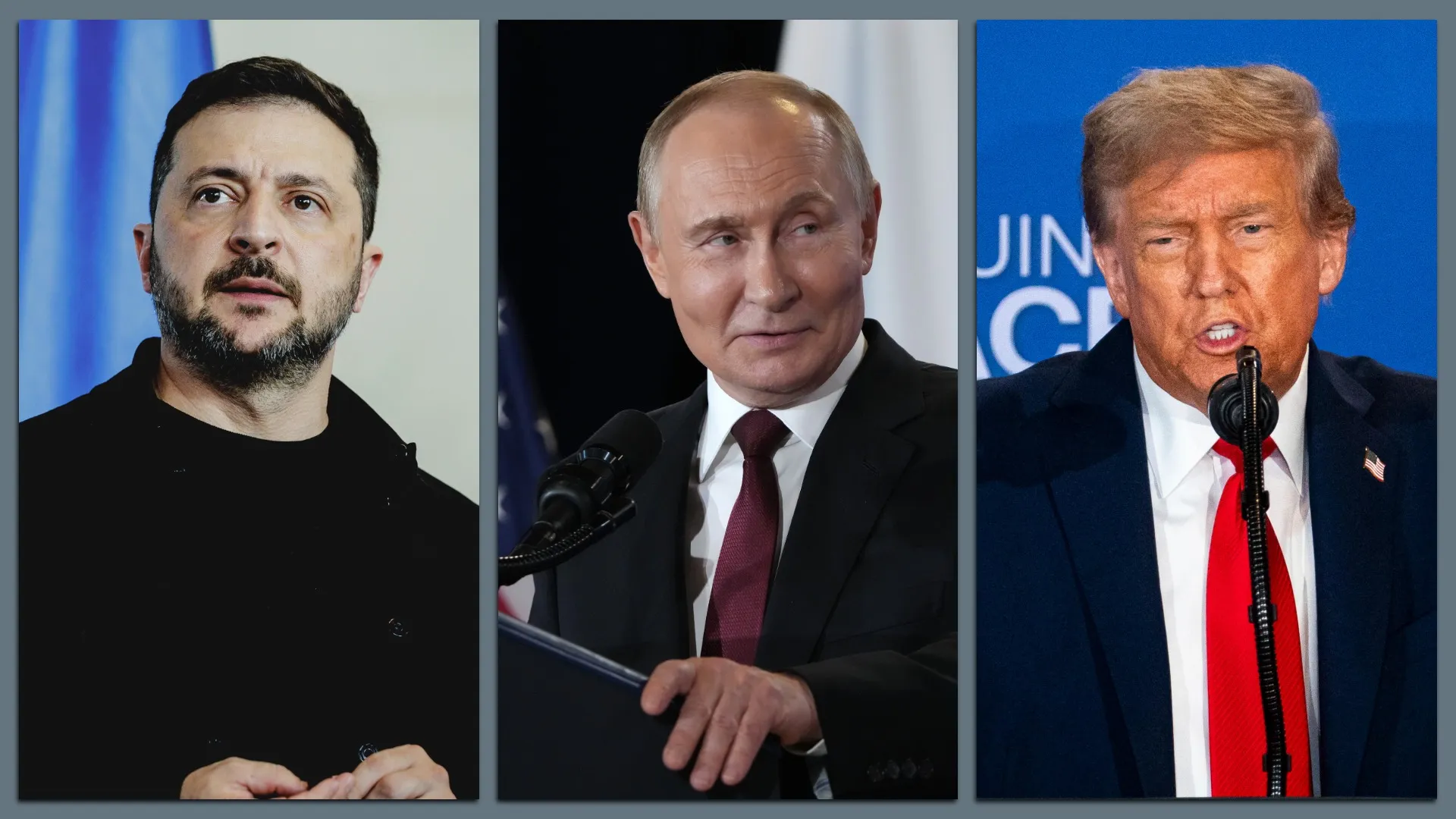
Cuba is part of a rather chaotic web of US international relations that has developed in recent months, including the distancing from Ukraine, the fiasco in Iran, strained relations with some NATO allies, the tariff war, and the recent rapprochement with Russia, to mention just a few issues. Amid this seemingly erratic behavior, it is worth asking what either Donald Trump, who presumably does not want another international fiasco before leaving office, or Marco Rubio, who is building momentum for a political future beyond 2028, would consider a victory in the case of Cuba.
Everything seems to indicate that the United States is increasingly willing to wait for Cuba to collapse under economic pressure, while Havana has shown signs that it can hold out for at least the next two years. A Democratic Congress changes nothing at this moment, but it signals the possibility of a less hostile environment toward Cuba in two years and could serve as a barrier against the prospect of large-scale military action, which by now already seems unlikely.
From Havana’s perspective, the Democratic victory should be interpreted as an opportunity to lay the groundwork for future rapprochement. These two years should be used to deepen the economic reforms already announced, expand opportunities for foreign investment by offering greater guarantees to investors, and strengthen the conditions under which the domestic private sector operates.
A more open economy, with clear rules and genuine investment opportunities, could create incentives for business sectors linked to the Democrats — and even Republicans who are not aligned with the Cuban-American representatives — to find commercial reasons to advocate easing sanctions. Along with this, a possible Democratic victory in 2028 — which now seems more likely — would open the possibility of reviving part of the rapprochement initiated by Obama.
What is certain at this point is that both Cuba and the United States will have new presidents in 2028. Washington will have to decide whether to maintain a strategy of economic pressure that has particularly punished the Cuban population, while Havana has two years ahead to implement reforms that encourage greater exchange. The peoples of both countries, especially the Cuban people, who have endured the harshest consequences of this confrontation, deserve finally to be placed at the center of every decision.
First published in Spanish by Joven Cuba and translated and posted in English by Havana Times.
Read more from Cuba here on Havana Times.