Rising disposable incomes, social media algorithms, and pop culture influences have led to a surge in demand for exotic pets in India, reports Mongabay India’s Arathi Menon.
A recent report by the Humane World for Animals (HWA) valued India’s exotic pet market at $42.6 million in 2024, and projected it will nearly double by 2030. Despite laws in the country to prevent illegal wildlife trade, trafficking persists due to gaps in enforcement and unmonitored online sales. Online platforms and closed messaging groups provide discreet environments for transactions, bypassing health screenings and documentation requirements.
Sumanth Bindumadhav, India director for HWA, said social media platforms normalize exotic pet ownership. “The algorithms amplify it: Videos that receive a lot of engagement and views are shown to more people, which can lead to more people wanting these animals. The interactions facilitated at petting zoos can also create demand.”
In 2020, India’s environment ministry introduced a Voluntary Disclosure Scheme allowing owners of nonnative pets to declare their animals to the government without facing prosecution. More than 40,000 people across 30 states and union territories declared their exotic pets, according to the HWA report.
India also updated its wildlife law to mandate the registration of possession, transfer, birth, and death of species listed under CITES, the global wildlife trade treaty.
Jose Louies, CEO of the nonprofit Wildlife Trust of India, said the amendment gave forest departments a crucial legal mechanism to act against illicit nonnative animal possession within Indian borders.
However, Shubhra Sotie, an environmental lawyer and co-author of the HWA report, highlighted a contradiction. She said that while trade in native wildlife is prohibited under the amended law, “the pet trade in exotic, non-native animals is legal but regulated.”
Sotie added that whenever CITES alters its species listings, the law needs further updates, which requires parliamentary amendments, creating statutory delays.
Despite multiple other laws governing wildlife trade, including the Customs Act and Livestock Importation Act, technical bottlenecks remain, according to the HWA report. For example, operational issues plague online registration portals, while officials struggle to identify individual registered animals.
Furthermore, non-CITES-listed species remain in legal limbo, leaving law enforcement uncertain about their legality. Pawan Sharma, advocate and wildlife conservationist at Resqink Association for Wildlife Welfare (RAWW), said multidepartmental involvement complicates coordination, with significant confusion around the fate and repatriation of animals seized during customs operations.
Louies cautioned against viewing the exotic pet trade purely as a wildlife issue. “There is a larger wildlife crime dimension, such as the wide networks, large amounts of money and potentially tax evasion and connections with other forms of illegal trade, that we should not ignore.”
Read the full story by Arathi Menon here.
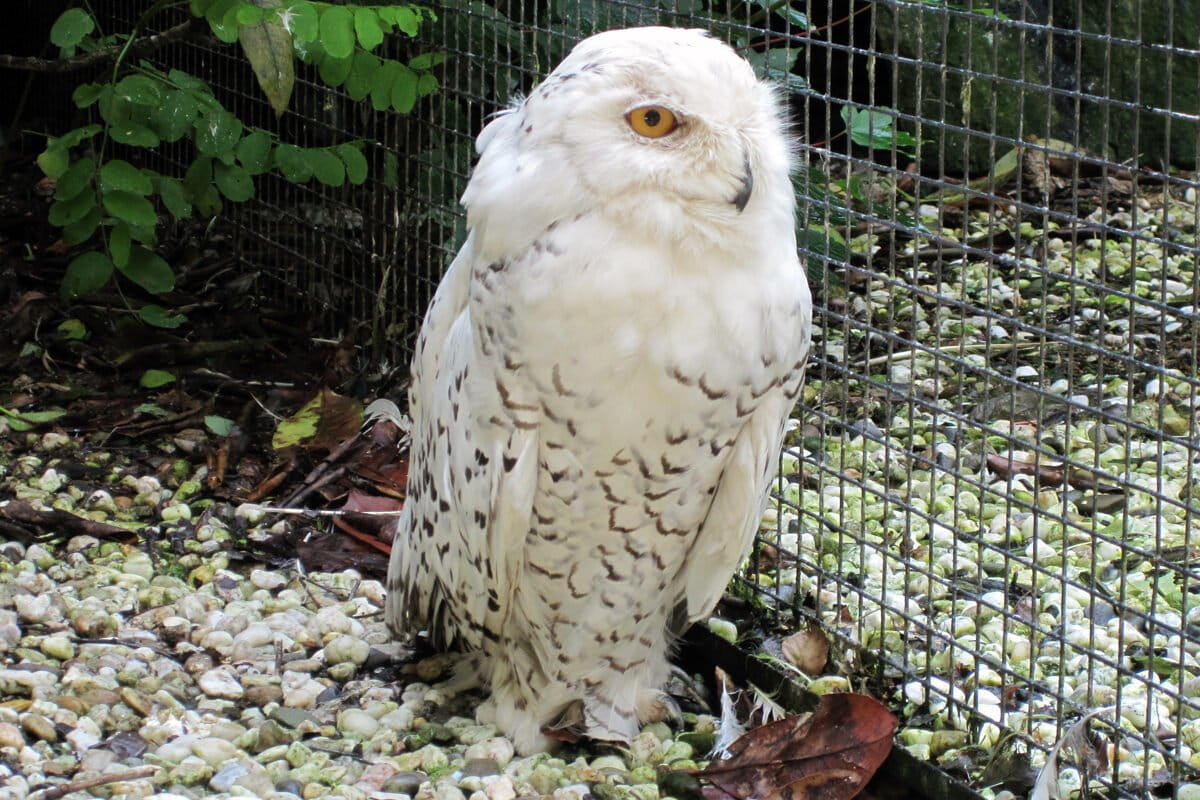
Banner image: Owls, like this snowy owl in a Dutch sanctuary, are popular as pets in India, thanks in part to the popular Harry Potter movies. Owls are legally protected under Indian laws. Image by Amy Evenstad via Flickr (CC BY-NC-SA 2.0).