Bat Week, from Oct. 24-31, 2026, is a worldwide celebration of bats — a group that makes up 20% of all mammals.
Bats live on all continents except for Antarctica, and provide major ecosystem services such as mosquito control, pollination and seed dispersal. Despite their ecological importance and ubiquity, bats still remain poorly understood.
Here we highlight some stories on bats that Mongabay has reported in the last year:
India has a wealth of bats, but our knowledge of them is poor
India is home to 135 known bat species but, according to the first nationwide assessment of the country’s bats, much about the mammals remains poorly understood, reports Mongabay’s Shreya Dasgupta.
Of these 135 species, seven are listed as threatened on the IUCN Red List, while 35 species are data deficient or not listed at all, meaning their conservation status isn’t known.
“Bats are the most diverse order of mammals in [India],” Rohit Chakravarty, report co-author and India program manager of the nonprofit organization Bat Conservation International (BCI), told Mongabay by email. “[Yet] there are less than 50 dedicated bat researchers in the country so there’s an urgent need for prioritizing research topics, species, geographical areas.”
Community project targets New Zealand’s bats
The only known native land mammals still in New Zealand today are two species of bats: the New Zealand long-tailed bat (Chalinolobus tuberculatus) and the New Zealand lesser short-tailed bat (Mystacina tuberculata). A third species, the New Zealand greater short-tailed bat, Mystacina robusta, not recorded since 1967 is likely extinct.
A community-led research project called Finding Franklin Bats (FFB) is now working to survey the country’s bats and spread awareness about them among rural landowners and communities. The project includes more than 180 volunteers as well as staff, including six from local Indigenous communities, reported contributor Isabel Gil in May.
At dusk in Kenya’s caves, scientists study the hidden lives of bats
As evening arrives at the Three Sisters Caves in Kenya’s Kwale County, David Wechuli’s team from Bat Conservation International (BCI) puts up near-invisible nets along the hillsides in the coastal forest. At dusk, bats start flying out of the caves, contributor Sharon Muzaki reported in March.
“Some fly straight into the nets,” Wechuli said. “We quickly remove them, carefully untangling each bat before taking morphometric measurements such as body size, weight and wing length.”
Wechuli and other researchers are working to better understand how bats live in Kenya, the role these flying mammals play in the country’s ecosystems, and how human activities are reshaping their habitats.
How can people help nurse sick bats back to health?
For younger readers, Mongabay Kids interviews Steph Stronsick, founder of Pennsylvania Bat Rescue, a bat rescue and rehabilitation center located in Pennsylvania, U.S. Stronsick educates others about bats and why they are important.
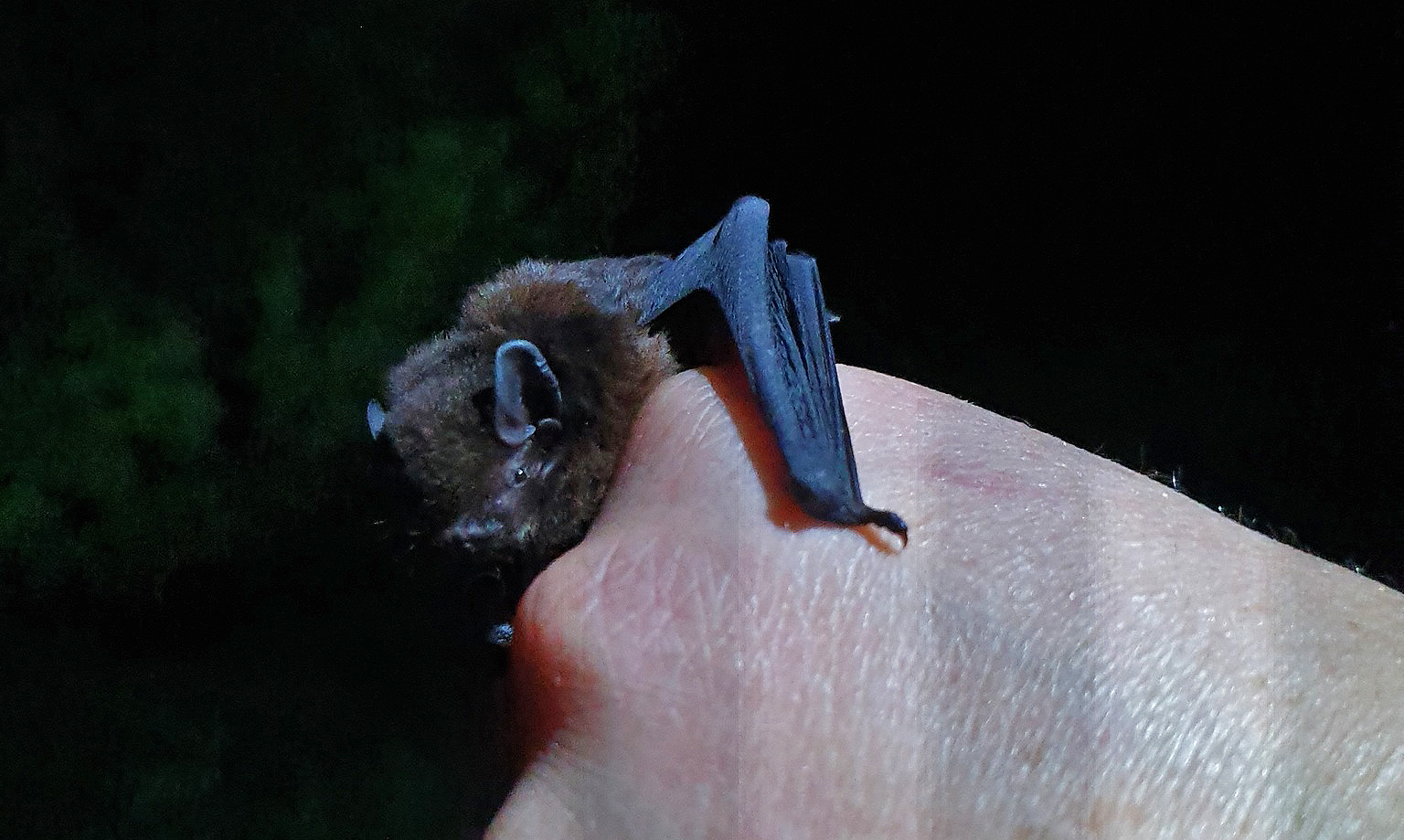
Banner image: A New Zealand long-tailed bat (Chalinolobus tuberculatus). Image © hrubbo via iNaturalist (CC BY-NC 4.0).