Brunei Darussalam, Indonesia, Sabah and Sarawak are looking to strengthen regional cooperation and develop a shared investment agenda to position Borneo as a more connected, competitive and sustainable investment destination.
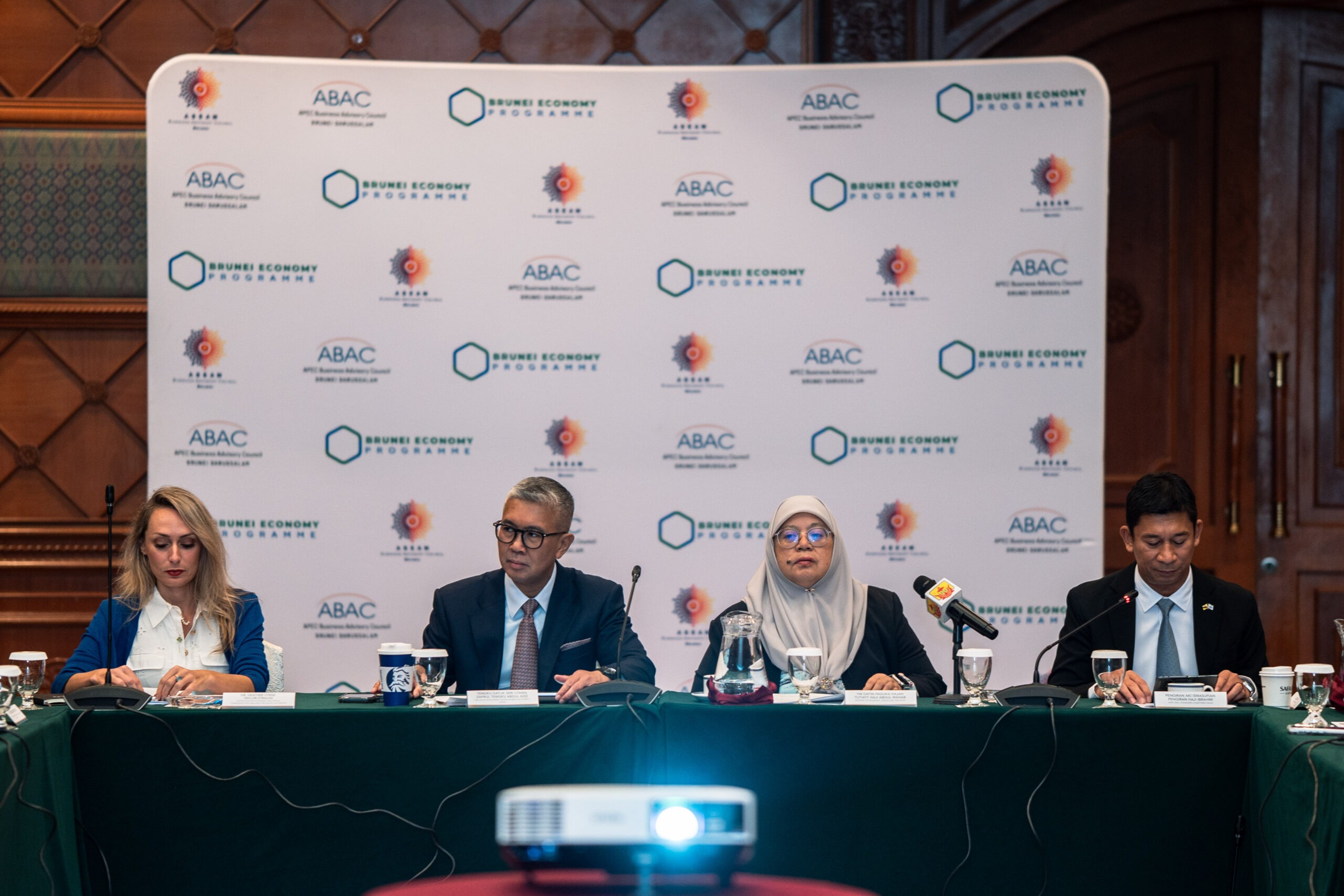
The call was highlighted at the Borneo Business Roundtable 2026, held at the Rizqun International Hotel on 27 October under the theme “Invest Borneo: Building a Shared Investment Agenda”.
The roundtable brought together investment promotion agencies, policymakers, business leaders and regional institutions to explore opportunities for coordinated investment promotion, stronger regional value chains and cross-border partnerships.
In her opening keynote address Yang Mulia Datin Paduka Hajah Tutiaty binti Haji Abdul Wahab, Deputy Minister at the Ministry of Economy, Trade and Industry and Deputy Chair of the Brunei Economic Development Board, said stronger regional cooperation was increasingly important amid global economic uncertainty, shifting supply chains and intensifying competition for investment.
Image: Courtesy image
She said that Borneo’s strategic location, natural resources, growing markets and diverse economic strengths placed the island in a strong position to attract quality investments, strengthen value chains and support sustainable growth.
Referring to the 2nd Borneo Economic Forum held in Kuching, Sarawak, earlier this month, she said the roundtable provided an opportunity to build on discussions about regional connectivity by focusing on investment as a key driver of economic integration.
She also highlighted the importance of closer cooperation among investment promotion agencies in strengthening institutional capabilities, sharing best practices, improving investor facilitation and developing investment-ready projects.
For Brunei Darussalam, investment remains central to economic diversification and sustainable growth under Wawasan Brunei 2035, which envisions a dynamic and sustainable economy supported by a highly skilled population and a high quality of life.
Datin Paduka Hajah Tutiaty highlighted agrifood, maritime and logistics development as areas offering opportunities for further investment and regional collaboration.
In the agrifood sector, initiatives such as the Export Drive Initiative, alongside efforts to strengthen compliance with standards including Brunei Good Agricultural Practice (BGAP) and Good Manufacturing Practices (GMP), are supporting export-oriented businesses. Opportunities span food production, processing, logistics, cold chain development and technology adoption.
Meanwhile, investments in the Muara Port Expansion and Renovation Project, including the development of a Port Trade Zone, are intended to strengthen Brunei Darussalam’s position as a regional trade and logistics hub.
Image: Courtesy image
She said these initiatives could also support regional supply chains, improve connectivity and facilitate the movement of goods, services and investment across Borneo.
On regional cooperation, she highlighted frameworks such as the Brunei Darussalam-Indonesia-Malaysia-Philippines East ASEAN Growth Area (BIMP-EAGA), ASEAN and APEC as important platforms for advancing economic integration.
The recently adopted BIMP-EAGA Vision 2035, with its emphasis on connectivity, green growth, digital transformation, innovation and micro, small and medium-sized enterprise (MSME) development, provides a framework for unlocking the island’s economic potential.
She also pointed to the development of Nusantara, Indonesia’s new capital in East Kalimantan, as a potential catalyst for economic activity across Borneo, generating opportunities in infrastructure, logistics, tourism, professional services and renewable energy.
Among the key areas identified for regional investment cooperation were agrifood and food security, tourism, energy, and logistics and connectivity.
Image: Courtesy image
In agrifood, stronger cooperation in rice cultivation, livestock production, fisheries, aquaculture and food processing could strengthen food security and create new commercial opportunities. Tourism cooperation could build on Borneo’s biodiversity, cultural heritage and diverse attractions to develop a multi-destination tourism region, benefiting hospitality, transportation, local communities and MSMEs.
Energy cooperation could encompass renewable energy, battery energy storage systems and other low-carbon technologies, alongside initiatives linked to the ASEAN Power Grid. Improved land, maritime, air and digital connectivity would also be essential to facilitating trade and investment across the island.
Datin Paduka Hajah Tutiaty said a shared investment agenda should be guided by regional connectivity and economic integration, high-quality and sustainable investment, private sector partnerships and MSME empowerment, as well as inclusive growth and shared prosperity.
She emphasised that investment should generate quality employment, strengthen local capabilities, encourage innovation and deliver tangible benefits for communities throughout Borneo.
In his opening remarks, Tengku Datuk Seri Utama Zafrul Tengku Abdul Aziz, Chairman of the Malaysian Investment Development Authority (MIDA), similarly called for Borneo to present a coordinated investment proposition built on the complementary strengths of its constituent economies rather than competition.
He noted that Malaysia recorded RM426.7 billion in approved investments in 2025, with Sabah attracting RM14.6 billion and Sarawak RM14.2 billion. In the first half of 2026, Sarawak recorded RM10.8 billion in approved investments, while Sabah attracted RM6.8 billion.
Image: Courtesy Image
He proposed that the Invest Borneo action plan focus on selected shared value chains, improve the ease of doing business across borders and prioritise the successful implementation of investment projects
The roundtable was hosted by the ASEAN Business Advisory Council (ASEAN-BAC) Brunei Darussalam and the APEC Business Advisory Council (ABAC) Brunei Darussalam under the Brunei Economy Programme, in collaboration with the Ministry of Economy, Trade and Industry and the United Nations Economic and Social Commission for Asia and the Pacific (UN ESCAP).
Anchored on UN ESCAP’s Invest Borneo initiative, funded by the Islamic Development Bank, the roundtable will contribute to the development of a subregional investment promotion action plan aligned with the ASEAN Regional Investment Promotion Action Plan 2025–2030.
First convened in 2023, the Borneo Business Roundtable forms part of the Brunei Economy Programme, an annual series of engagements connecting the business community, government and international partners on Brunei Darussalam’s economic priorities in support of Wawasan Brunei 2035.
THE BRUNEIAN | BANDAR SERI BEGAWAN