Synopsis: Prime Minister Hun Manet directs ministries to evaluate adding two afternoon class hours to strengthen proficiency in foundational subjects.
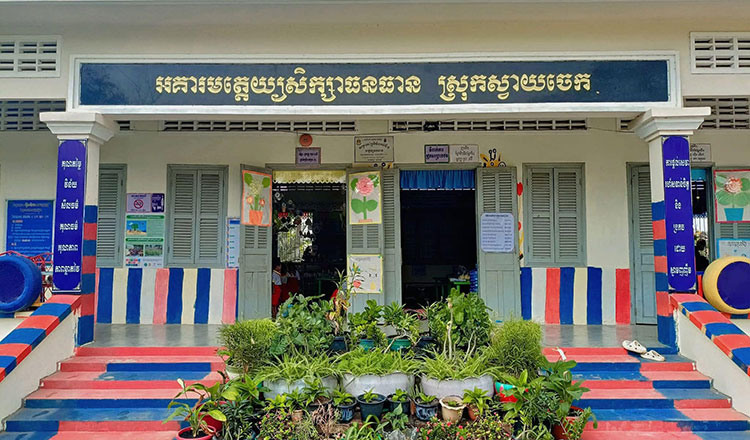
The government is considering extending daily study hours in public schools from four to six, focusing on the Khmer language and mathematics to strengthen foundational knowledge and improve national education quality.
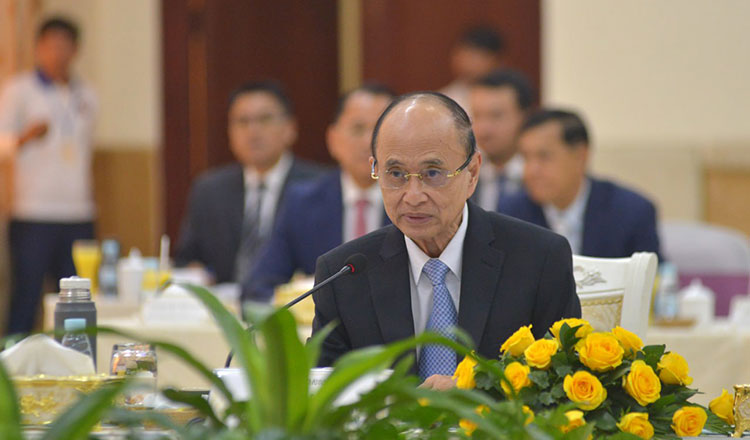
Speaking at a meeting with top-performing graduates in Phnom Penh yesterday, Prime Minister Hun Manet said longer hours would provide students with more time to master lessons. He noted that teacher and facility shortages previously reduced daily instruction from eight hours to four.
Mr Hun Manet instructed the Ministry of Education, Youth and Sport and the Ministry of Economy and Finance to evaluate the feasibility of extending study hours and draft an implementation plan, including two additional afternoon hours.
Beyond extending study hours, he outlined a plan to transform schools nationwide into high-quality institutions by expanding successful practices from existing “model schools”.
A total of 161 schools are implementing key quality measures. Mr Hun Manet said the long-term goal is to apply effective teaching methods across 7,000 to 10,000 institutions.
“My big vision is not to create double standards within the public school system but rather to identify effective methodologies that enable all schools to become capable institutions – essentially, to become model schools,” he said.
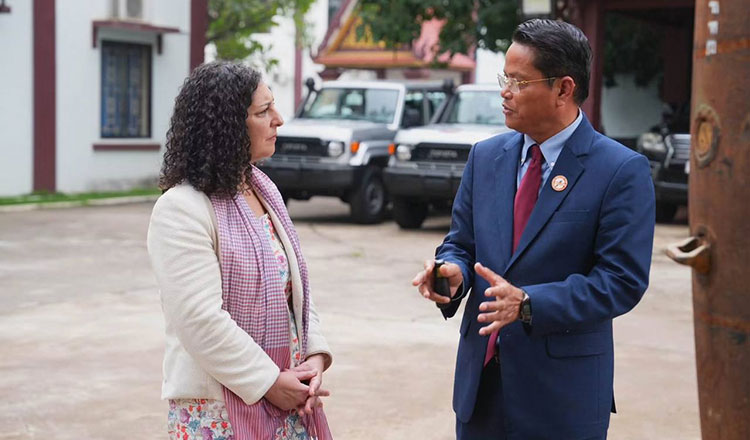
Educationist Dr Quach Mengly welcomed the proposal, describing it as a forward-looking step to advance sector reforms. He noted that Cambodia’s education system has yet to reach international standards, adding that sustained improvements are essential for national development.
Dr Mengly urged the government to expand school-based nutrition programmes for vulnerable families and provide higher allowances for teachers to improve instructional quality and reduce reliance on private tutoring. He praised continued attention to education and called for further investment in both education and healthcare.
Lower secondary school teacher Hang Chhorvan said longer hours offer more opportunities to practise lessons but noted that outcomes depend on teaching quality, curriculum design and learning materials. She said using extra time for remedial lessons, reading practice and targeted support in core subjects to ensure the additional hours serve a clear purpose.
Ministry of Education data shows Cambodia operated more than 19,500 educational institutions in the 2025–2026 academic year, including 9,207 preschools, 8,248 primary schools, 1,360 lower secondary schools and 957 upper secondary schools across public, community and private sectors. The country also had 49 technical institutions and 200 higher education facilities, including 94 under ministry jurisdiction.